
What Actually Gets Replaced
The core of any tune-up is parts replacement — swapping out components that wear down over time and degrade engine performance. Here's what a mechanic will typically pull out and replace:
- Spark plugs: These ignite the air-fuel mixture in each cylinder. Worn plugs misfire, reduce power, and hurt fuel economy. Replacing them is usually the centerpiece of a tune-up.
- Air filter: A clogged air filter restricts airflow to the engine. Mechanics inspect and replace it if it's dirty enough to limit performance.
- Fuel filter: This keeps debris from reaching the fuel injectors. Not all vehicles have an easily serviceable fuel filter, but when they do, it's commonly addressed during a tune-up.
- PCV valve: The positive crankcase ventilation valve manages pressure in the engine. A stuck or failed valve can cause oil leaks and rough running.
Depending on the vehicle and the shop's inspection findings, a cabin air filter, distributor cap, or ignition wires may also be replaced — though many modern vehicles no longer use distributor-based ignition systems.
Ask for an Itemized Estimate First
Before approving any tune-up, ask the shop to list every service included and the cost of each. This gives you a clear baseline to compare between shops and helps you spot any items you may not need for your vehicle type or mileage. A reputable shop should provide this without hesitation.
What Gets Inspected — Not Just Replaced
A good tune-up isn't only about swapping parts. A mechanic will also inspect systems throughout the vehicle to flag anything that needs attention now or is heading toward failure soon.
- Belts and hoses: Mechanics look for cracking, fraying, or softness — signs that a belt or hose is near the end of its useful life.
- Battery and charging system: The battery's voltage and cold-cranking amps are tested, and the alternator output is checked to make sure your electrical system is healthy.
- Fluid levels: Coolant, brake fluid, power steering fluid, and transmission fluid are all checked. Low or degraded fluid is noted, and the mechanic may recommend a flush or top-off.
- Ignition system: Even if plugs are the only parts replaced, the mechanic checks the overall ignition system — including coils and sensors — for any faults.
This inspection layer is where you often get the most value. Catching a frayed belt or a weak battery during a routine service costs far less than a roadside breakdown or a tow bill. For a broader look at how these services fit a long-term maintenance timeline, see your car's maintenance schedule, explained.
30,000
Miles between recommended tune-ups (general guideline)
Many manufacturers suggest this interval for conventional spark plug vehicles, though platinum and iridium plugs can extend service intervals significantly.
~4%
Fuel economy improvement from a proper tune-up
The U.S. Department of Energy has noted that fixing a faulty oxygen sensor alone can improve gas mileage by up to 40%, with tune-up basics offering more modest but meaningful gains.
1–2 hrs
Typical time for a standard tune-up
Service time varies by vehicle and shop, and additional issues discovered during inspection can extend the appointment.
What to Expect Before, During, and After
Before any work begins, ask the shop for an itemized estimate. The term "tune-up" isn't standardized — one shop's package may include six services while another includes twelve. Knowing what's covered prevents surprises on the bill.
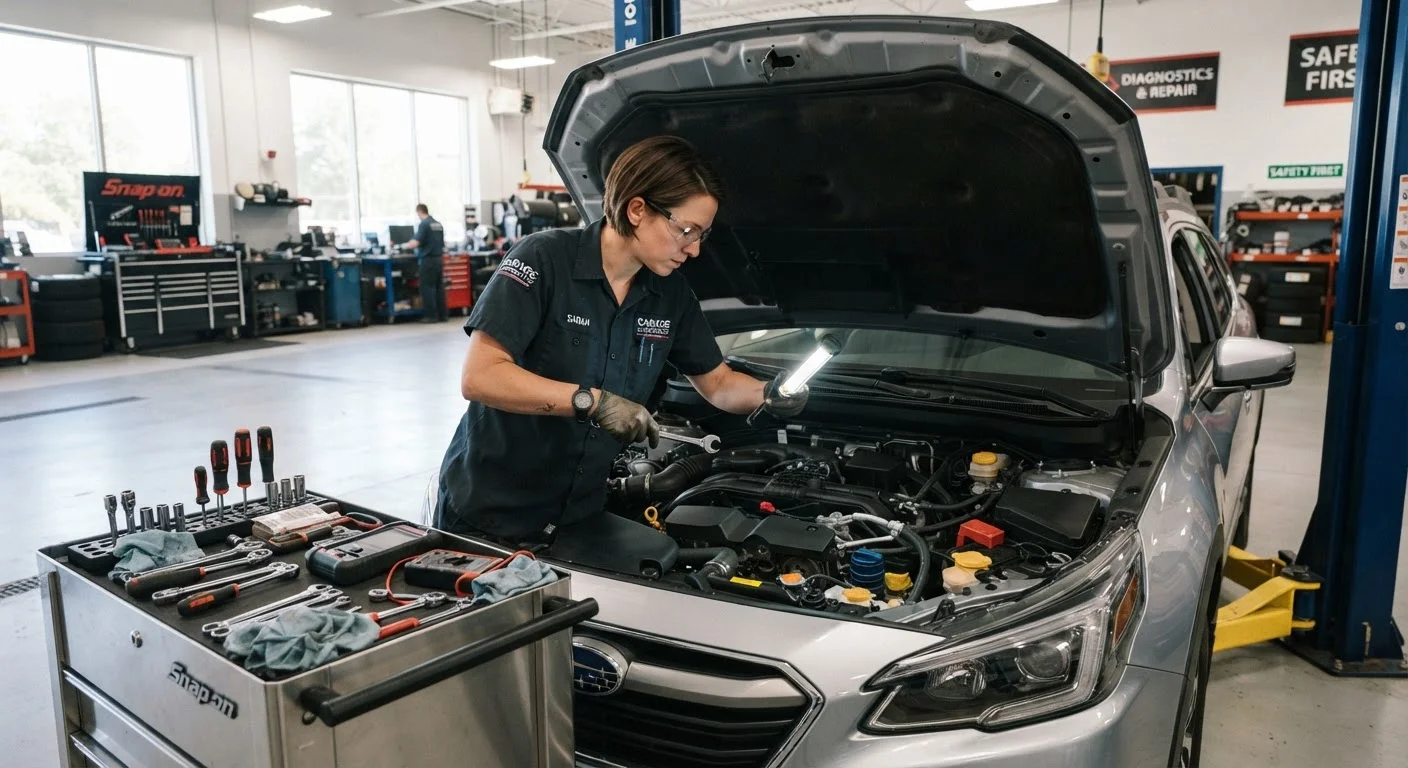
During the service, a mechanic may run a diagnostic scan using an OBD-II reader (the same port used during emissions testing) to check for stored fault codes. This helps identify issues that aren't yet visible or audible but are logged by the car's onboard computer.
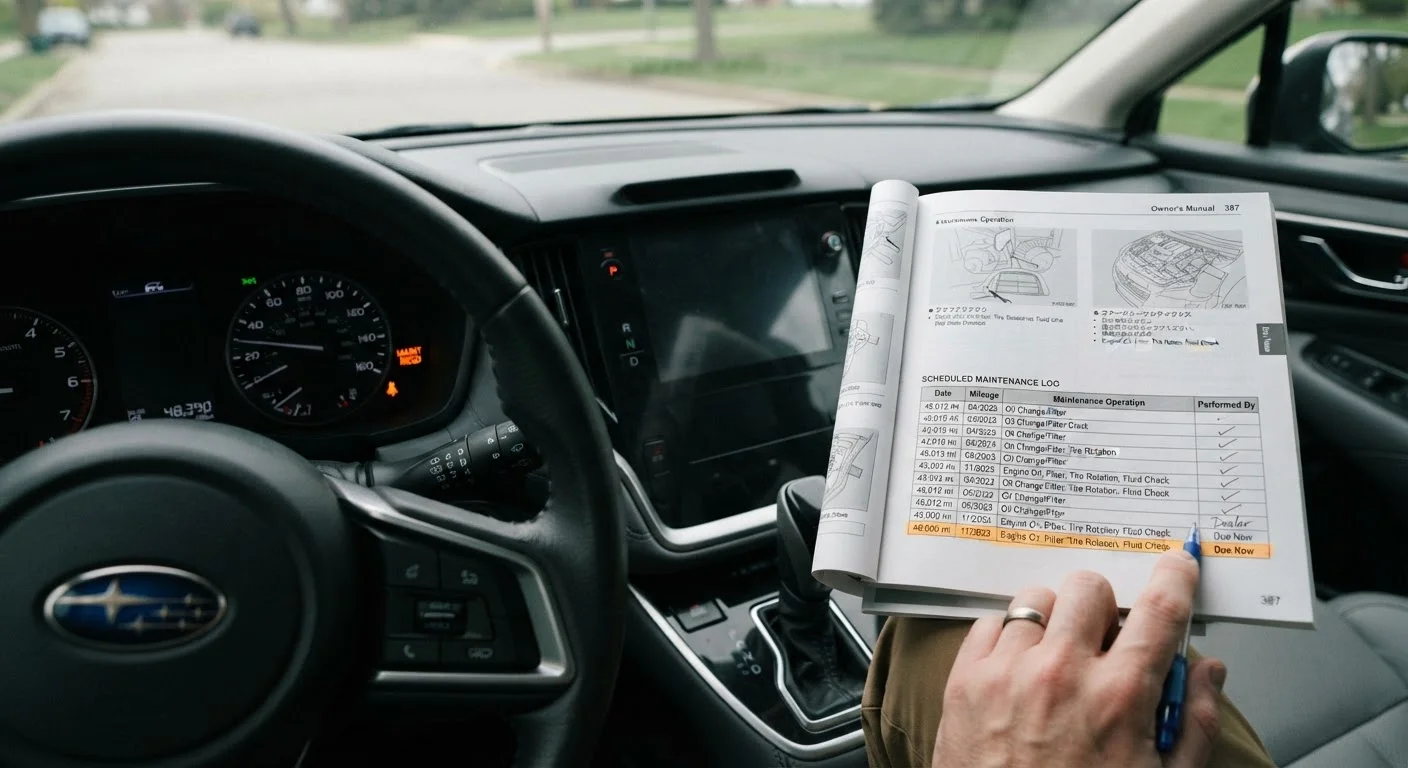
After the tune-up, a mechanic should be able to walk you through what was replaced, what was inspected, and any concerns flagged for future attention. A written service record matters — it protects your warranty and gives the next mechanic (or a potential car buyer) a clear maintenance history. It's worth noting that common maintenance myths can sometimes lead drivers to pay for services they don't actually need, so a second opinion is always reasonable if a recommendation seems unexpected.
If you're evaluating a used car and want to know what condition it's in, a pre-purchase inspection covers some similar ground — you can learn more about how a pre-purchase inspection works.