
When Instinct and Training Pull in Opposite Directions
Most drivers go years — sometimes their entire lives — without facing a serious road emergency. That gap between incidents is part of the problem. When something genuinely alarming happens at highway speed, the body's stress response kicks in before the thinking brain catches up. The result is often the wrong move: slamming the brakes in a skid, jerking the wheel during a blowout, or freezing when action is urgently needed.
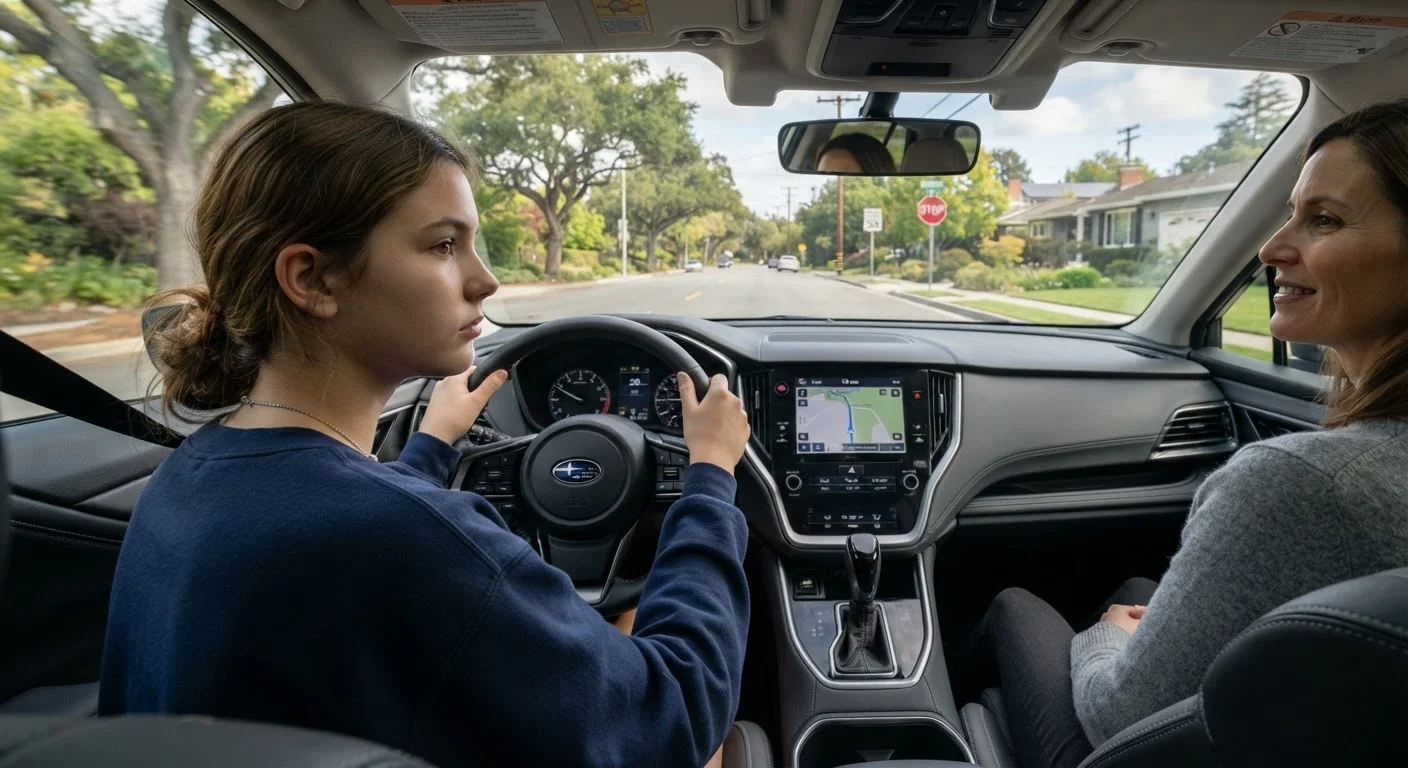
Understanding how these situations unfold — and what a measured, trained response looks like — is one of the most practical forms of driver education. It's also especially relevant for newer motorists. Teen drivers face elevated crash risk in their first years behind the wheel, partly because they haven't had the exposure to high-stress scenarios that builds correct instincts over time.
The scenarios below cover common road emergencies, what drivers typically do, and what safety guidance generally recommends instead.
Tire Blowout at Speed
A sudden blowout — especially a rear tire — can feel like the vehicle is being yanked sideways. The instinctive reaction is to lift off the gas immediately and brake hard. Both can make things worse.
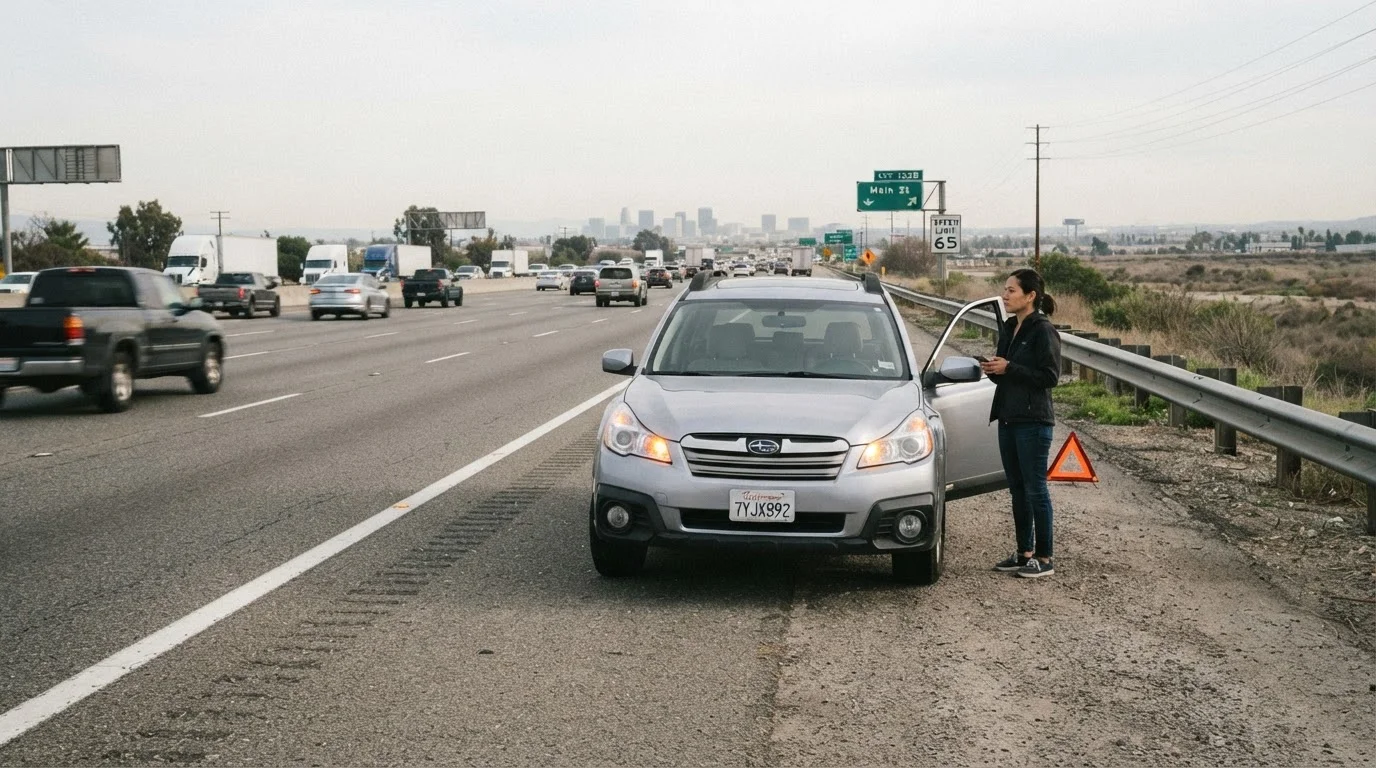
Safety guidance generally recommends the opposite: hold the steering wheel firmly with both hands, maintain or briefly apply light throttle to stabilize the vehicle, and steer straight. Once the car has settled, ease off the gas gradually and coast to a lower speed before steering gently toward the shoulder. Braking should come only after you have the vehicle under reasonable control.
The reasoning is straightforward — abrupt weight transfer caused by hard braking can send an already unstable vehicle into a spin.
Counterintuitively, briefly maintaining throttle after a blowout helps keep the car stable before you slow down.
Brake Failure
Complete brake failure is rare in modern vehicles with dual-circuit braking systems, but partial failure — spongy pedal, reduced stopping power — does happen, often due to overheated brakes on steep descents or a fluid leak.
If the pedal goes soft, pumping it rapidly can temporarily build pressure in older hydraulic systems. Shifting to a lower gear (or using engine braking in an automatic by moving to a lower range) slows the vehicle without the brakes. The parking brake, applied slowly and steadily, can provide additional stopping power — engaging it suddenly can lock the rear wheels and cause a spin.
If all else fails, a controlled sideswipe against a guardrail or embankment, or pulling into an uphill runaway truck ramp if one is present, may be a last resort. Knowing these options exist before you need them matters.
Downshifting to use engine braking is a critical skill when hydraulic brakes become unreliable on a descent.
Skidding on Ice or Wet Pavement
Skids happen when tires lose traction faster than the driver can compensate. The most common scenario is a rear-wheel skid — the back of the car slides out — often triggered by braking too hard or lifting off the throttle abruptly on a slick surface.
The trained response is to steer into the direction the rear is sliding (if the rear slides left, steer left), avoid braking, and make small, smooth corrections. Overcorrecting — the tendency to steer too far — leads to a pendulum effect that's harder to recover from.
Front-wheel skids, where steering input stops having effect, are typically addressed by easing off the gas and waiting for the front tires to regain grip before steering again. Drivers with vehicles equipped with electronic stability control (ESC) benefit from an assist here, but ESC has limits and shouldn't replace careful driving on slick roads.
In a rear skid, steer toward the slide — small, smooth inputs, not a sharp jerk of the wheel.
Sudden Accelerator Stuck Open
Reports of unintended acceleration — whether from a stuck mechanical throttle, floor mat interference, or an electronic glitch — tend to produce panic. Drivers often brake repeatedly while the engine fights them, or attempt to turn off the ignition at speed.
Standard guidance is to shift the transmission into neutral immediately. This disconnects engine power from the wheels regardless of what the throttle is doing, allowing the driver to brake normally and steer to a safe stop. Once stopped safely, the engine can be turned off.
Turning the ignition to off while driving can disable power steering and lock the steering column on some vehicles — something to be aware of and avoid until you're stopped or nearly stopped.
Shifting to neutral is the most reliable way to regain control when the accelerator won't release.
Driving Into a Flooded Road
Floodwaters are deceptive. Water that appears shallow can conceal an eroded or washed-out roadbed, and just a foot or two of moving water can float or sweep a passenger vehicle. The instinct to power through rather than turn around is one of the leading causes of flood-related vehicle deaths in the U.S.
If a vehicle stalls in rising water, the priorities shift: remain calm, unlock the doors early (electric door locks can fail as water pressure builds), and exit the vehicle while it's still manageable. Windows may need to be opened or broken if pressure prevents the doors from opening — a glass-breaking tool kept in the cabin is worth considering.
The safer and more recommended approach is simply not to enter flood-covered roads. "Turn around, don't drown" is a widely repeated message from emergency management agencies for good reason.
Moving water as shallow as one foot can sweep a car off a road — the safest response is to turn around.
Preparation Lowers the Stakes Before You Even Start Driving
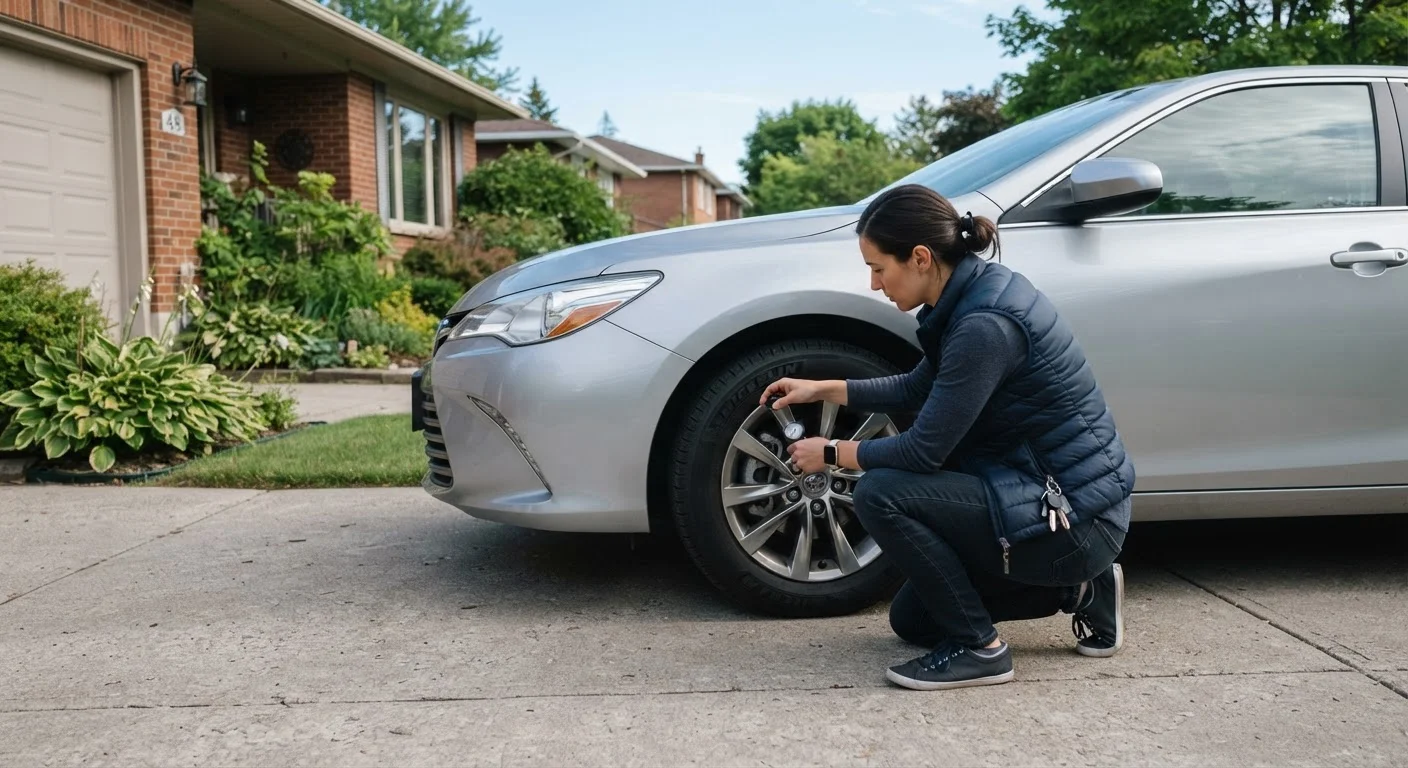
Many road emergencies are not entirely random. Tire blowouts, brake fade, and overheating are often preceded by warning signs that a prepared driver can catch early. A consistent pre-drive safety check — tires, fluid levels, mirrors, lights — takes only a few minutes and can surface problems before they escalate on the road.
Beyond pre-trip checks, staying on top of routine car maintenance is one of the most reliable ways to reduce emergency risk. Worn brake pads, underinflated tires, and neglected coolant systems don't fail without provocation — they degrade gradually until conditions tip them into failure.
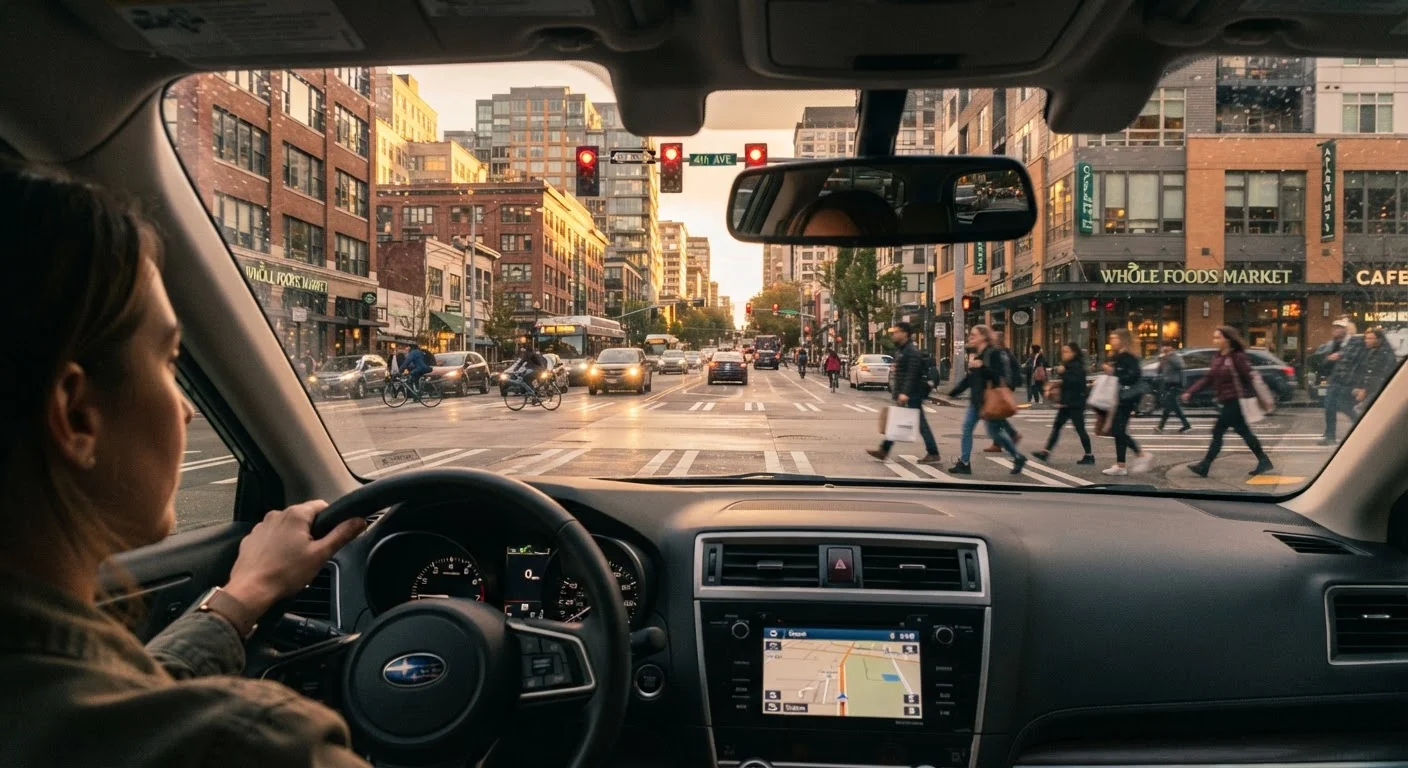
Good situational awareness behind the wheel also gives you more time to respond when something does go wrong. The more mental space and physical distance you've maintained, the more options you'll have. Following distance and stopping time matter especially when brakes or traction are compromised.
Practice the Response Before You Need It
Mental rehearsal — literally thinking through what you would do in a blowout or skid before it happens — has been shown in driver training research to improve real-world response times. Consider taking a defensive driving course that includes skid pad or emergency scenario exercises if one is available in your area. Knowing the correct action in theory is a starting point; having it closer to automatic is the goal.
Reviewing emergency responses isn't just for new drivers. Even experienced motorists benefit from an occasional refresher — how you think you'd respond and how you actually would under stress are not always the same thing.