
What Is a Blind Spot, Exactly?
A blind spot is any area around your vehicle that you cannot see from your normal seating position — not through your windshield, not in your mirrors, and not with a casual glance. Every vehicle has them. The shape and size of those gaps depend on the vehicle's design: a compact sedan creates different blind spots than a full-size pickup or a minivan.
The most talked-about blind spots are on the left and right rear quarters — the diagonal zones behind each front door. When another car drifts into one of those zones, it can effectively disappear from view entirely, even while sitting just a few feet away. That's the scenario most drivers picture. But blind spots aren't limited to the sides.
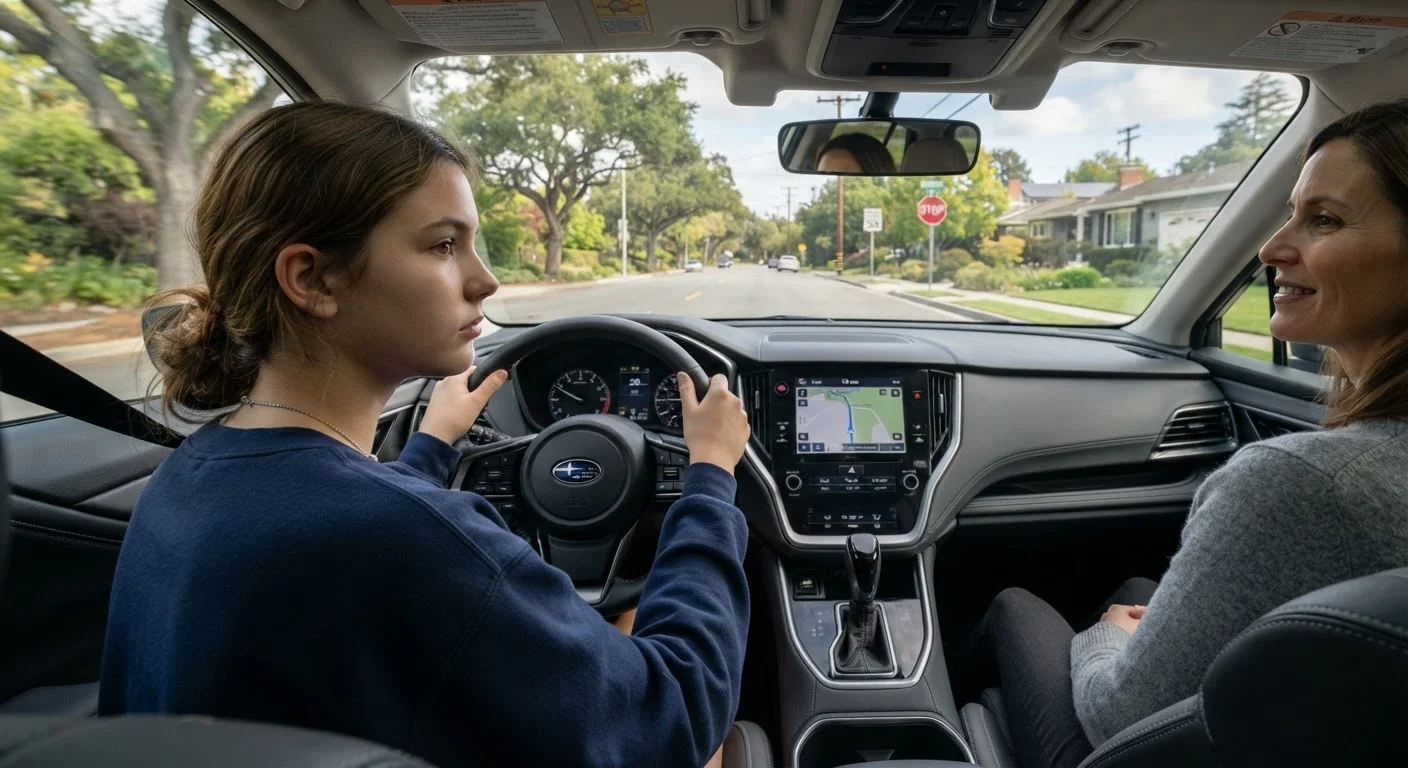
Understanding exactly where your visibility breaks down is a foundational safety skill. It shapes how you merge, change lanes, back out of a parking space, and pass other vehicles. For new drivers especially, building this awareness early matters — see our guide on teen driver safety for more on developing these habits from the start.
How Mirrors Help — and Where They Fall Short
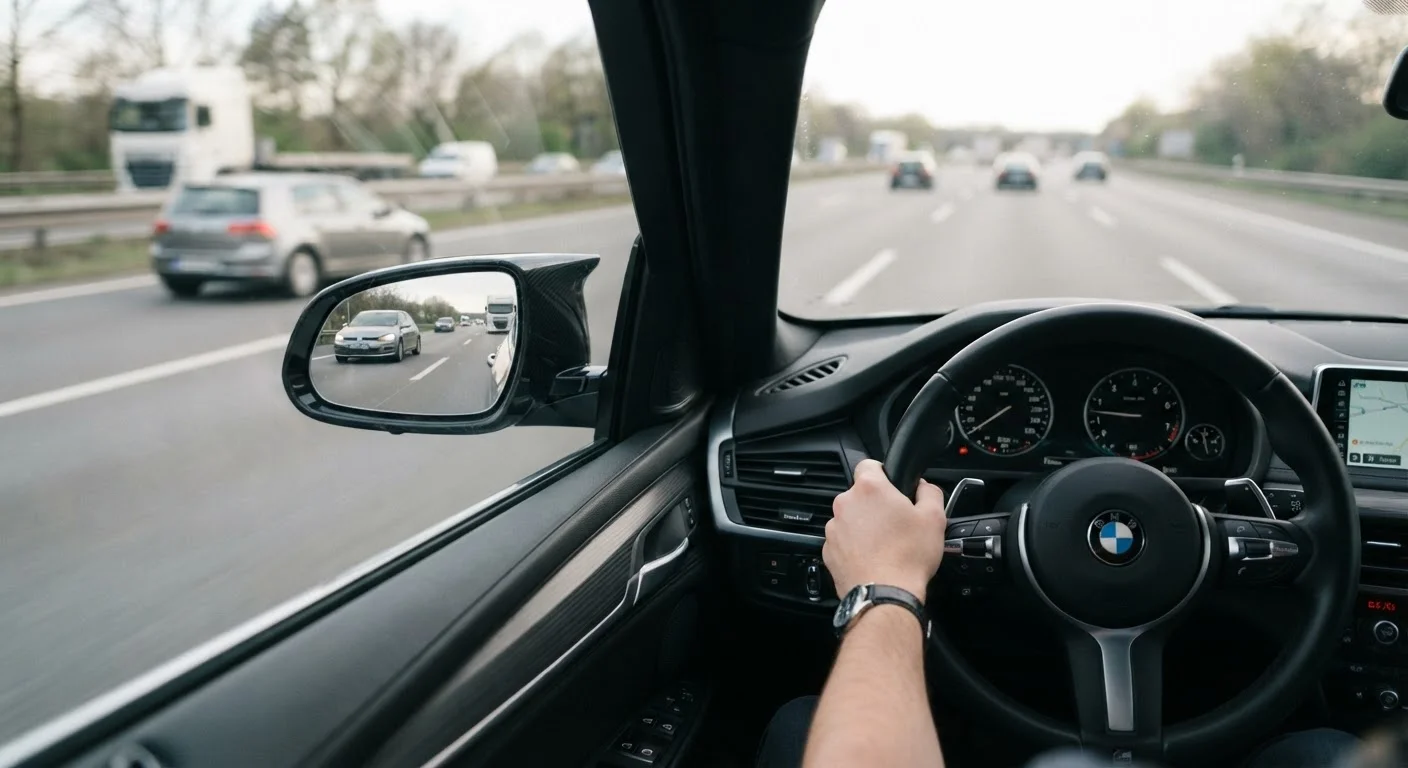
Your three mirrors — rearview, driver-side, and passenger-side — are designed to extend your field of vision behind and alongside the vehicle. When adjusted correctly, they cover a meaningful portion of the road around you. The problem is that even a well-set mirror system leaves gaps.
Proper Mirror Adjustment Matters More Than Most Drivers Think
A common mistake is angling side mirrors so you can see the side of your own car in the reflection. That gives you a reference point, but it wastes valuable mirror coverage on something you already know is there. Traffic safety educators generally recommend tilting side mirrors outward slightly further — enough so your own vehicle barely appears at the edge — to widen the zone each mirror covers.
Even with ideal adjustment, here's what mirrors still miss:
- The rear quarter zones on each side — the classic blind spot areas
- Close-range areas directly behind the vehicle, especially relevant when reversing
- Low-profile objects near the ground, such as children, cyclists, or small animals
- Wide loads or tall obstacles blocked by the vehicle's own pillars (the vertical supports of the car's frame)
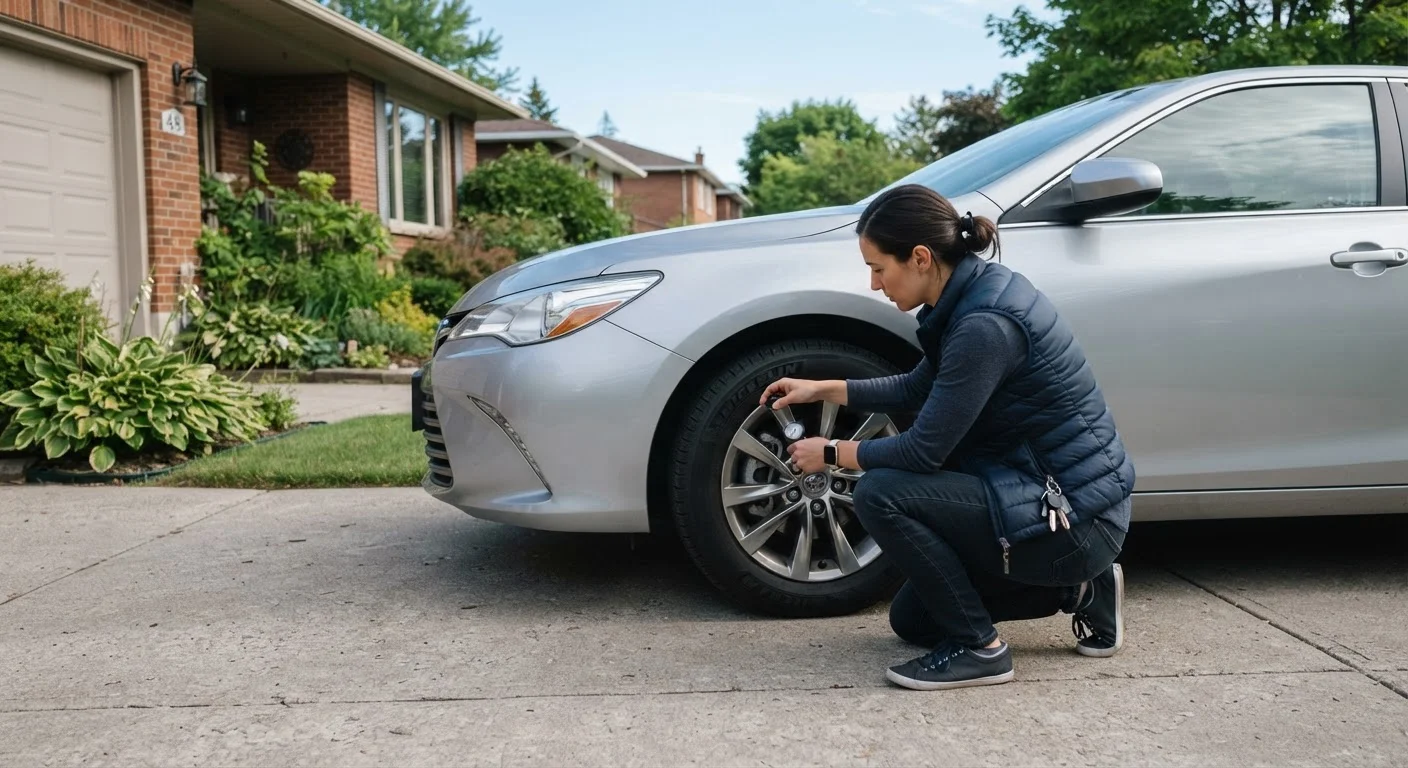
Good mirror habits are part of a larger picture. Pairing them with a solid pre-drive safety check — including confirming your mirrors are positioned correctly before you pull out — reduces surprises before they start.
The A-Pillar Problem and Other Overlooked Blind Spots
Most drivers focus on side blind spots, but the A-pillars — the angled supports on either side of the windshield — can block meaningful slices of the road ahead, particularly at intersections and curves. The wider or more angled the pillar, the larger the obscured zone. Pedestrians, cyclists, and motorcyclists can disappear behind an A-pillar just as you're about to turn.
Other commonly overlooked blind spots include:
- Directly in front of the hood — especially in trucks and SUVs with high hood lines, which can hide a child or small obstacle at very close range
- The rear window in vehicles with small back windows or high cargo loads
- C-pillars (rear side supports) on coupes and some SUVs, which limit rear-quarter visibility further
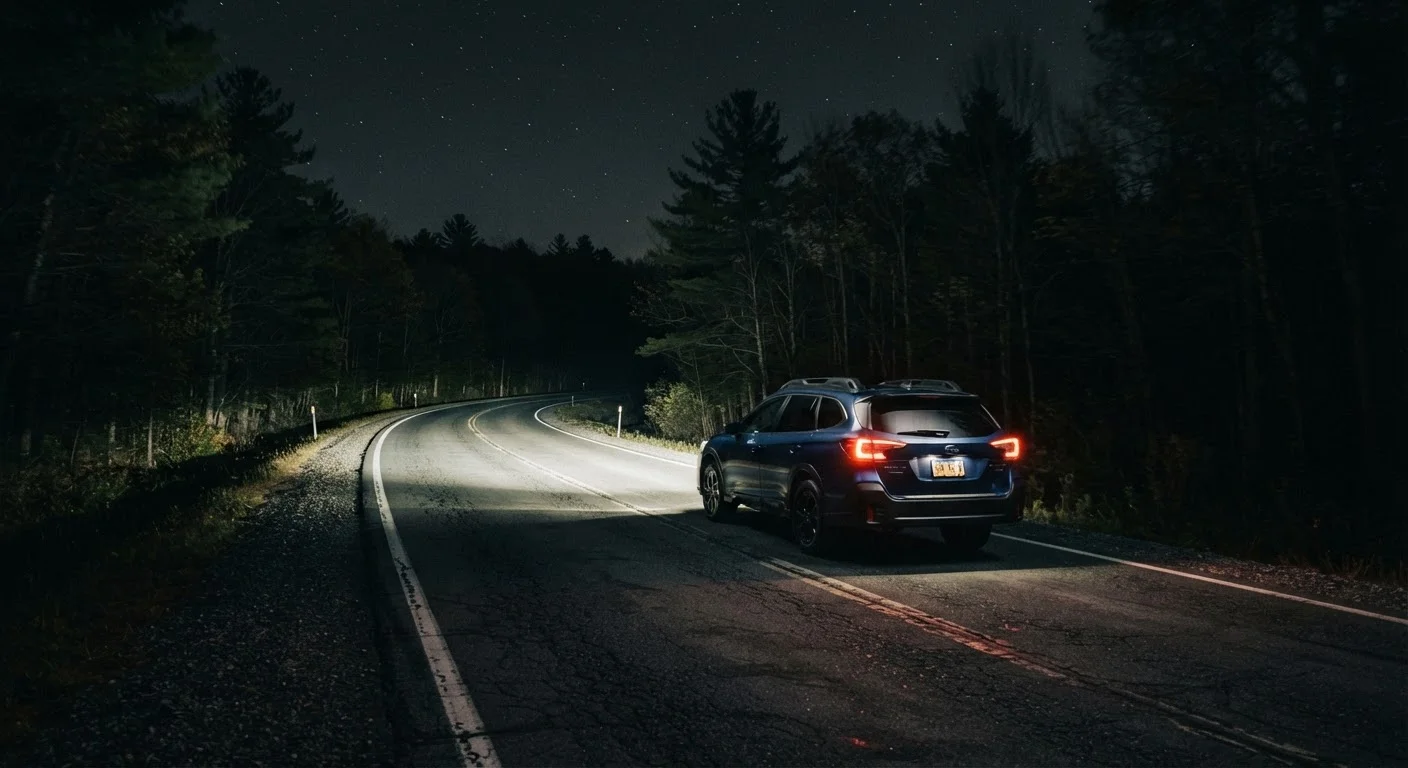
Blind spots interact with other visibility challenges, too. At night, the zones you can't see in daylight become even harder to compensate for — the night driving guide covers strategies for managing visibility after dark.
Habits That Close the Gap
No mirror system eliminates blind spots entirely, so the compensating habit is the shoulder check — a brief, deliberate head turn to visually scan the zone your mirrors can't reach before changing lanes or merging. This is not optional. It's one of the simplest, most effective safety moves a driver can make.
A few other practices worth building into your routine:
- Check mirrors early and often — scanning every five to eight seconds keeps you updated on who's around you before you need to act
- Signal early — giving other drivers advance notice of your intentions gives them time to move out of your blind spot
- Slow down and check twice when reversing — backing up is the highest blind-spot-risk maneuver most drivers perform daily
- Stay out of other drivers' blind spots — knowing your own blind spots helps you recognize when you're in someone else's
These habits build into the broader skill of situational awareness — the ongoing practice of reading the road around you rather than just reacting to what's immediately in front. Pair that with smart following distance habits and you give yourself the time and space to act on what you see.