
Why Our Assumptions About Distraction Are Often Wrong
Most drivers consider themselves attentive. Most also admit, when pressed, that they've glanced at a phone, fiddled with music, or eaten lunch behind the wheel. This gap between self-perception and actual behavior is part of what makes distracted driving so persistent — we tend to judge it as someone else's problem.
The research tells a different story. Distracted driving is one of the leading contributors to crashes on American roads, according to NHTSA data, and the behaviors that cause it are deeply ordinary. Understanding where the common misconceptions lie is the first step toward driving more honestly and safely.
Myth
Using a hands-free device is essentially risk-free because my hands stay on the wheel.
Fact
Hands-free calling still causes significant cognitive distraction, which impairs hazard detection and reaction time.
The hands-free/handheld distinction matters legally in most states, but it doesn't fully reflect the safety picture. Driving demands three types of attention: visual (eyes on the road), manual (hands on the wheel), and cognitive (mind on the task). A hands-free call keeps your hands and eyes technically in place, but your brain is still splitting focus between the conversation and driving.
Studies published by the AAA Foundation for Traffic Safety have found that voice-based tasks — including hands-free calls — produce meaningful levels of cognitive distraction. Your field of attention narrows, you process fewer visual cues, and your reaction time slows. A passenger conversation is generally less distracting because passengers naturally pause talking when driving conditions get complex. A phone caller has no awareness of what's happening on the road.
Myth
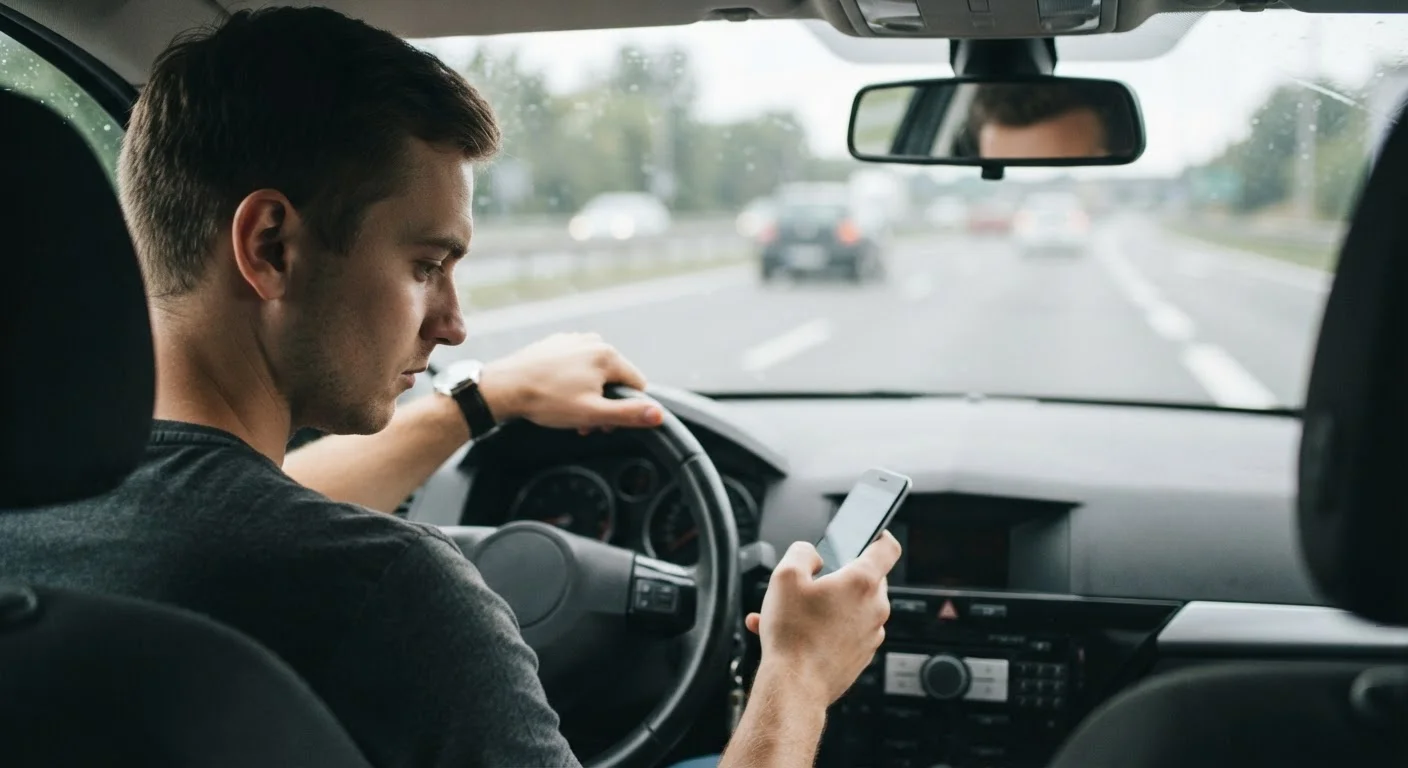
I only looked at my phone for a second — that's not really dangerous.
Fact
At 55 mph, a five-second glance means traveling about the length of a football field without eyes on the road.
This comparison — widely cited by the National Highway Traffic Safety Administration (NHTSA) — puts the time-versus-distance problem into concrete terms. Five seconds feels trivial in daily life. At highway speeds, it's enough time to drift into another lane, miss a braking vehicle ahead, or fail to spot a pedestrian entering a crosswalk.
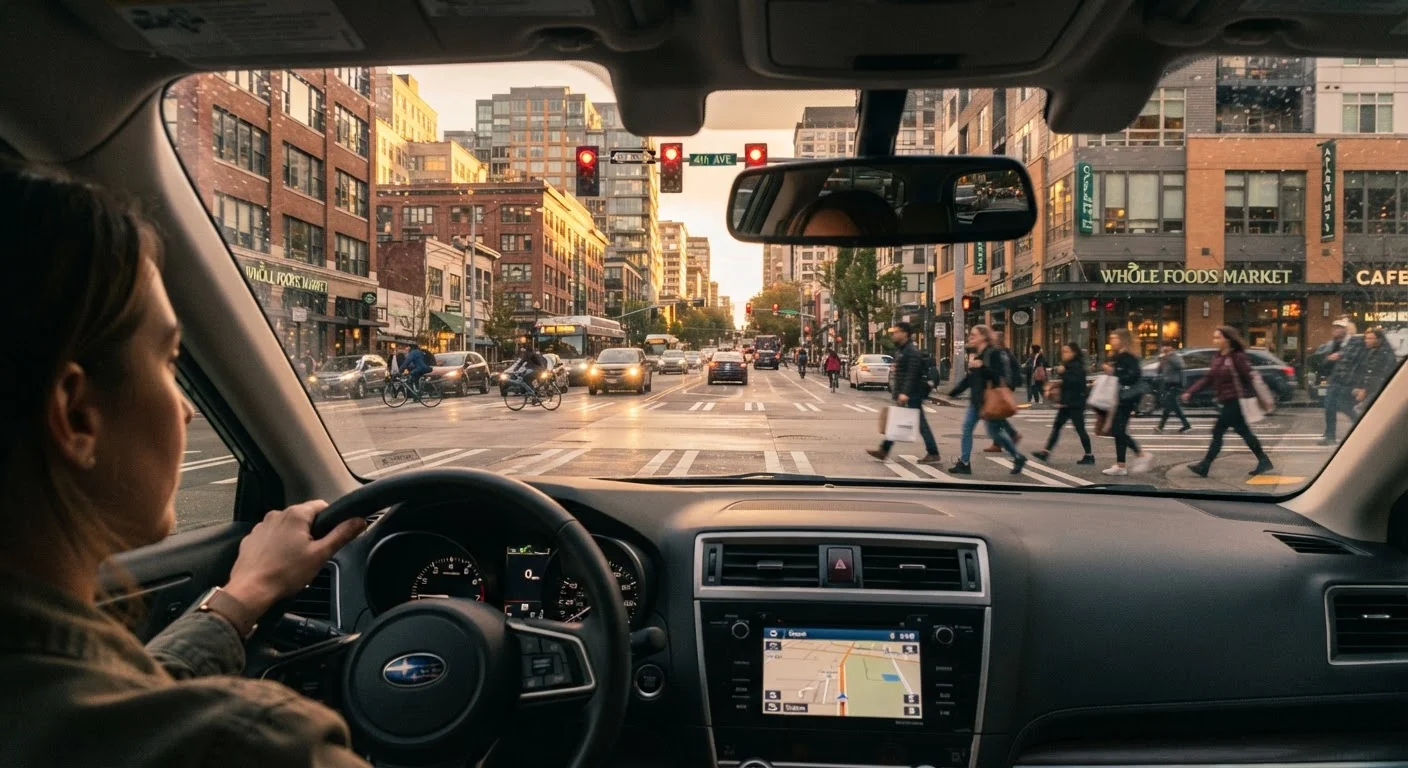
Distracted driving isn't only a phone-glancing problem either. Eating, adjusting the radio, reading GPS directions, or reaching for something in the back seat all pull your eyes off the road. Any task that takes visual or manual attention away from driving carries some level of risk, even if the duration seems brief.
Myth
Experienced drivers can handle multitasking better — their skills compensate for the distraction.
Fact
Experience improves vehicle control habits, but it does not protect the brain from the cognitive limits of divided attention.
Experienced drivers have developed muscle memory for steering, braking, and lane management. What experience cannot do is expand the brain's attention capacity. Cognitive load — the mental demand of processing two tasks simultaneously — affects all drivers, regardless of years behind the wheel.
In fact, some research suggests experienced drivers may underestimate their distraction because they feel comfortable. Overconfidence in multitasking ability is itself a risk factor. Situational awareness — the ability to read and anticipate what's happening around you — is precisely what suffers most when attention is divided, and it's a skill that experience builds but distraction erodes.
Myth
Voice-to-text is safe because I never take my eyes off the road.
Fact
Composing or reviewing messages by voice is consistently rated as one of the most cognitively demanding in-vehicle tasks.
AAA Foundation research using a cognitive distraction rating scale placed voice-based text messaging among the highest-demand tasks tested — more demanding than listening to the radio or even carrying on a phone conversation. The mental effort required to compose a grammatically coherent sentence, listen back, and correct errors draws heavily on working memory, leaving less capacity available for driving.
The important callout above notes that this cognitive load doesn't vanish the moment you finish the task. Your attention takes time to fully re-engage with the road environment after any mentally demanding activity.
Myth
Distracted driving is mainly a teenage problem.
Fact
Distracted driving affects drivers across all age groups, though the specific behaviors and risk levels differ.
While younger, less experienced drivers do face elevated crash risk — and phone use is frequently cited as a contributing factor among that group — distracted driving data shows involvement across all age demographics. Middle-aged adults report high rates of phone use while driving in self-reported surveys. Older drivers may be distracted by in-vehicle infotainment systems or navigation displays that are unfamiliar to them.
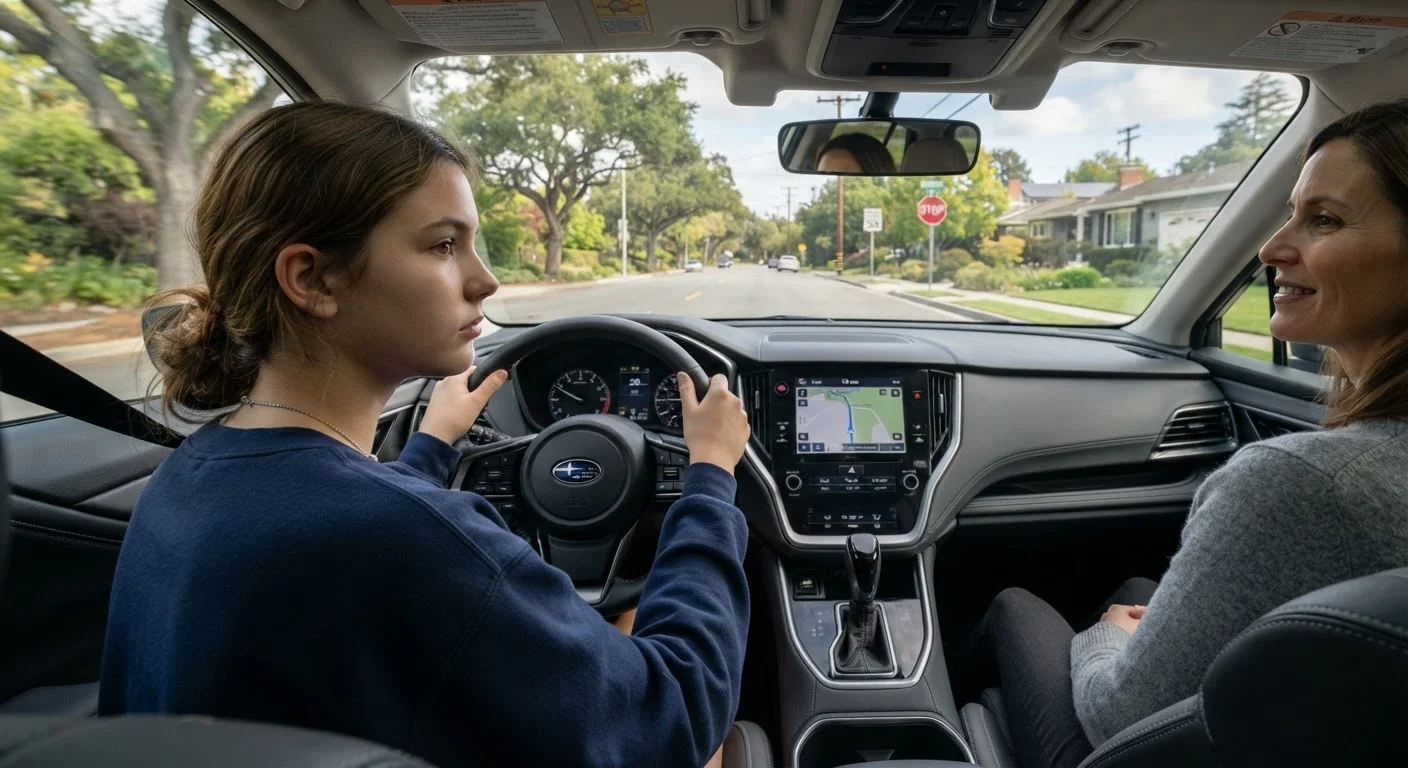
That said, new drivers deserve particular attention. Teen driver safety is a well-documented concern because inexperience and distraction compound each other — a novice driver has less reserve attention to spare when something unexpected happens.
Putting It Into Practice: What Safer Habits Actually Look Like
Correcting these myths isn't just about knowing the facts — it's about making different choices before you turn the key. A few practical approaches that align with what the evidence shows:
- Phone placement: Putting your phone in a glove compartment, bag, or back seat before driving removes the temptation entirely. "Do Not Disturb While Driving" modes available on most smartphones can automate this.
- Pre-drive setup: Set your navigation, music, and climate controls before you're moving. Adjusting these at a stoplight still pulls attention and isn't as low-risk as it feels.
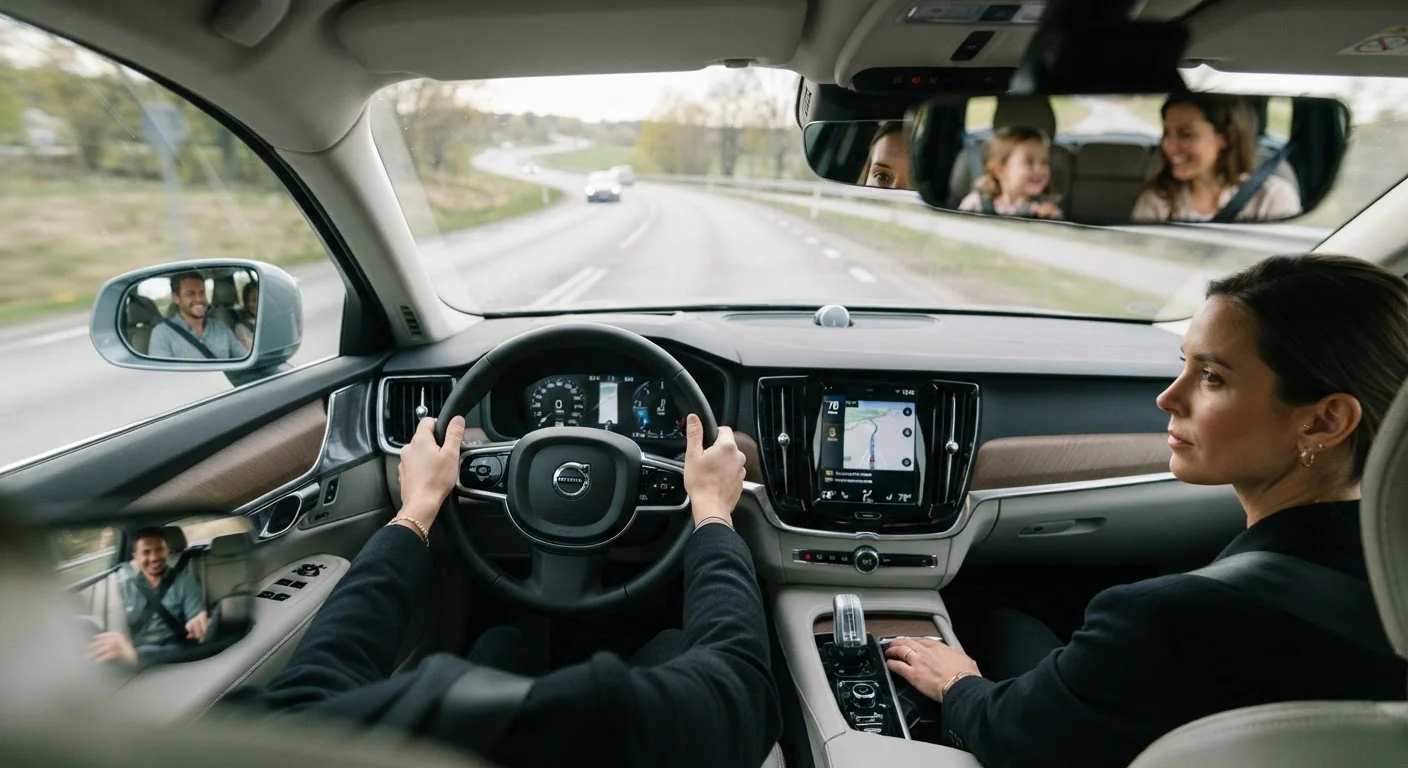
- Passengers as a resource: A passenger can serve as a navigator or handle the phone. How passengers affect driver attention is a nuanced topic — they can help or hurt depending on context.
- Recognizing reset time: After any demanding task — a voice command, a complex GPS input — give yourself a conscious moment to re-engage with the road before assuming full attention is restored.
Distracted driving doesn't happen in isolation. It overlaps with fatigue, unfamiliar roads, and high-traffic environments. Defensive driving principles can help build the broader habits that reduce overall crash risk — including the discipline to keep distractions out of the equation. If drowsy driving is also a concern, drowsy driving carries its own underappreciated risks that are worth understanding separately.
Distraction Lingers After the Task Ends
Research from the AAA Foundation for Traffic Safety found that cognitive distraction can persist for up to 27 seconds after completing a hands-free voice task. That means even after you put the phone down or finish giving a voice command, your mental attention is not fully back on the road. At highway speeds, 27 seconds covers a substantial distance with reduced situational awareness.