
More Than Staying Alert
Most drivers think of defensive driving as a vague instruction to "pay attention." In practice, it's a specific set of behaviors built around one core idea: you cannot control other drivers, but you can control your position, speed, and reaction time to reduce what they can do to you.
The term gets used loosely, but the underlying principles are well-established. Defensive driving means scanning well ahead of your vehicle, not just the car directly in front of you. It means keeping enough space around your vehicle that you have options when something goes wrong. And it means managing your own state — fatigue, distraction, and frustration all erode the margin that defensive driving is designed to create.
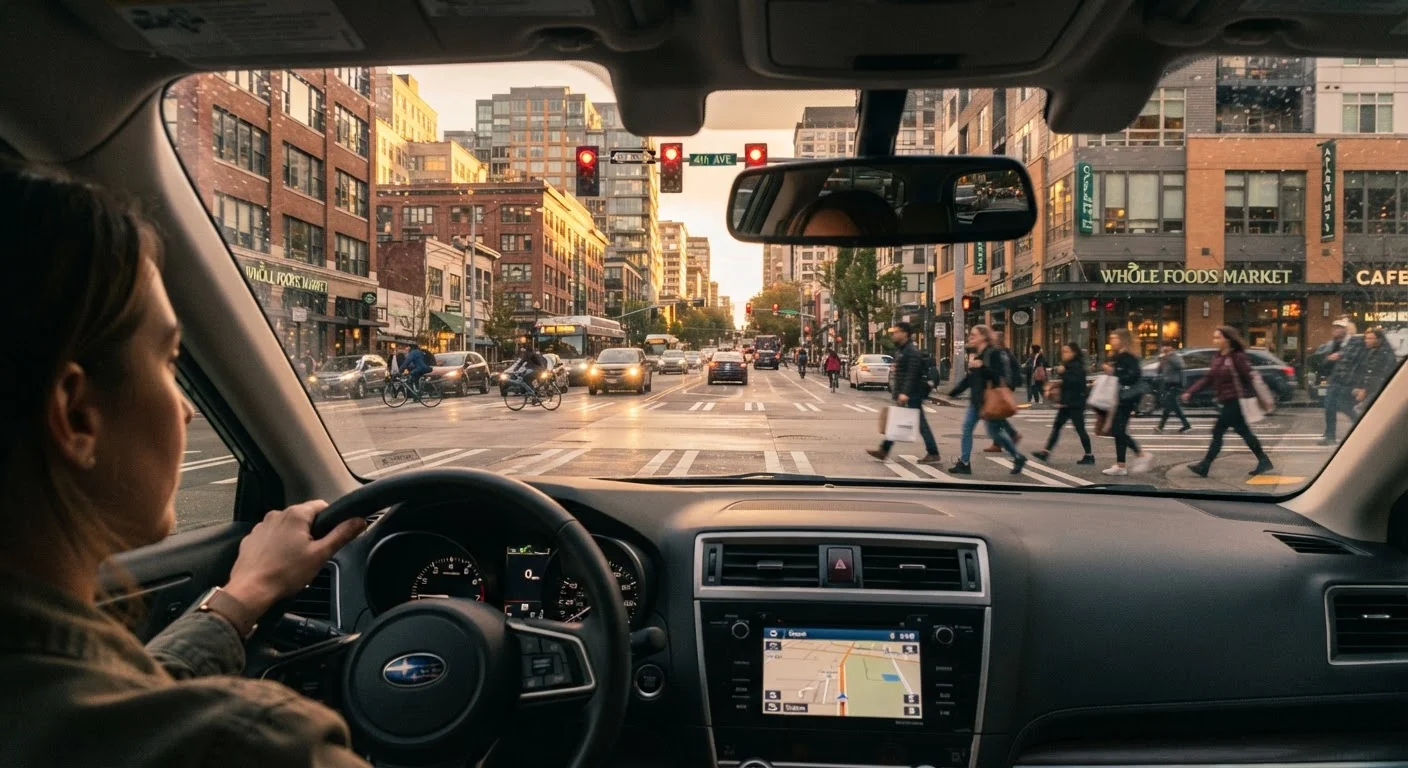
Situational awareness is the engine behind defensive driving. Skilled drivers read intersections, watch for brake lights several cars ahead, and register the behavior of nearby drivers before a problem develops — not after.
The Core Principles in Plain Terms
Defensive driving can be broken down into a handful of practical habits that apply in nearly every driving situation:
- Maintain a safe following distance. The widely recommended minimum is three seconds of gap between your front bumper and the vehicle ahead. In rain, fog, or heavy traffic, extend that further. Tailgating removes your ability to brake in time.
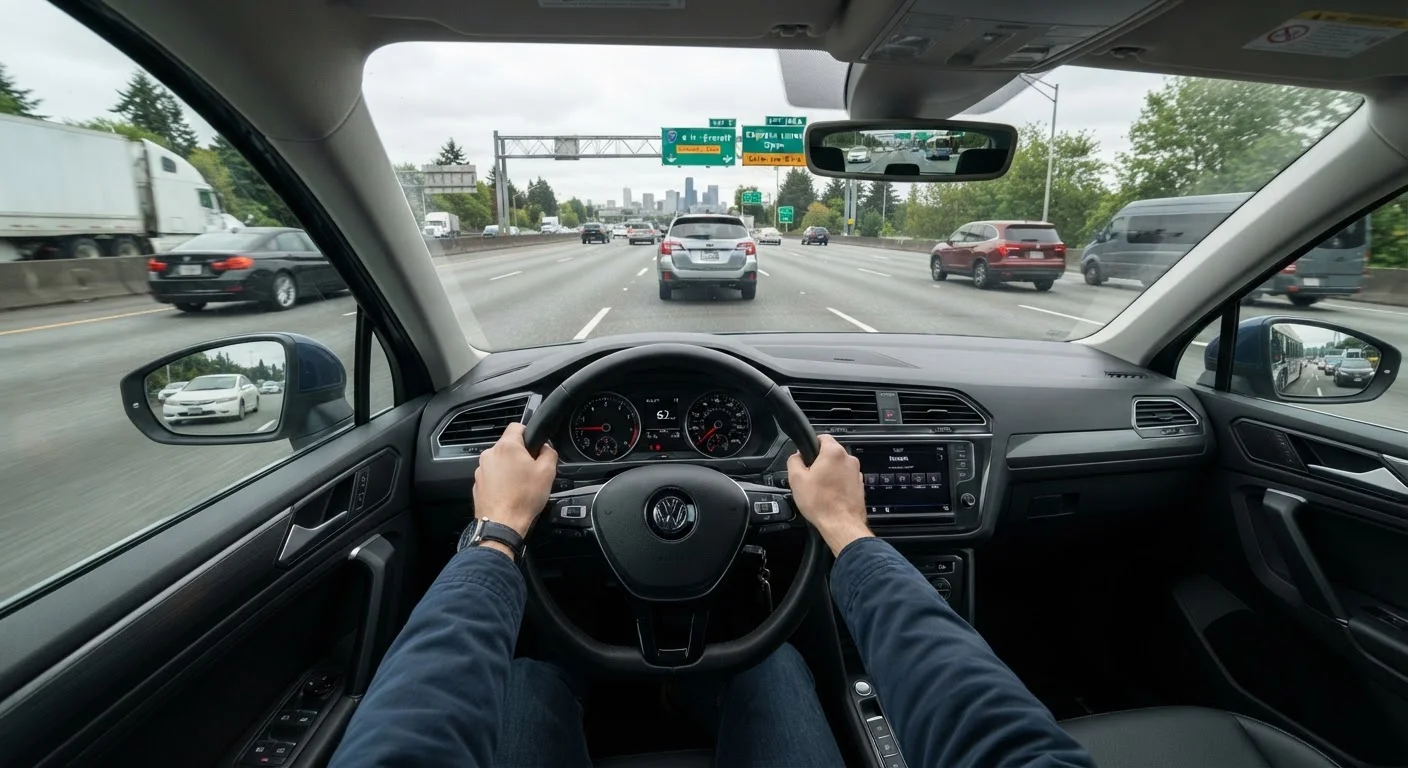
- Scan ahead, not just immediately in front. Look 10–15 seconds down the road. This gives you time to identify hazards — a merging truck, a pedestrian stepping off a curb, brake lights stacking up — before they become emergencies.
- Expect the unexpected. Assume other drivers may run red lights, change lanes without signaling, or brake suddenly. Building that assumption into your driving means you won't be caught flat-footed when it happens.
- Control your speed. Posted limits are legal maximums, not targets. Conditions — wet roads, low visibility, heavy congestion — often warrant lower speeds regardless of the sign.
- Eliminate distractions. A phone glanced at for two seconds at 55 mph means traveling roughly 160 feet without full attention on the road. Distracted driving carries more risk than most drivers estimate, including hands-free use.
Build a Pre-Drive Habit
Before you pull out of the driveway, take ten seconds to adjust mirrors, set your navigation, and mentally commit to leaving distractions alone. A small pre-drive routine reduces the temptation to handle those tasks while moving. It's a low-effort habit with measurable safety benefits.
Fatigue, Emotion, and the Human Factor
Defensive driving isn't purely a mechanical skill — it depends on your mental state. Two internal factors that routinely undermine even experienced drivers are fatigue and emotional arousal.
Drowsy driving impairs reaction time and judgment in ways that parallel alcohol impairment. The dangers of drowsy driving are often underestimated because fatigue creeps in gradually and drivers frequently misjudge their own level of impairment. If you're fighting to stay awake, pulling over is not optional — it's the defensive choice.
Emotional driving — frustration, anger, or the impulse to respond to a provocation — is equally dangerous. Aggressive behavior on the road, whether it's tailgating someone who cut you off or speeding through frustration, is the direct opposite of the defensive mindset. Understanding where aggressive driving ends and road rage begins helps clarify why emotional control behind the wheel is a safety issue, not just a matter of courtesy.
94%
Crashes involving human choice or error
According to the National Highway Traffic Safety Administration, roughly 94% of serious crashes involve human factors — reinforcing why driver behavior is the primary variable to manage.
3 sec
Minimum recommended following distance
Safety organizations including the National Safety Council widely recommend a minimum 3-second following gap under normal driving conditions, with more in adverse weather.
~160 ft
Distance traveled in 2 seconds at 55 mph
A vehicle traveling at 55 mph covers approximately 160 feet in the time it takes to glance at a phone for two seconds — illustrating the real cost of momentary distraction.
Why It Matters for New and Experienced Drivers Alike
New drivers face a statistically higher crash risk in their first years on the road — inexperience, unfamiliarity with hazards, and underdeveloped hazard perception all contribute. Building defensive habits early can help close that gap. Teen driver safety guidance consistently emphasizes defensive driving as a foundational skill.
But experienced drivers aren't immune. Years behind the wheel can breed overconfidence and erode scanning habits. Many drivers settle into patterns — same routes, same speeds, same assumptions — that work fine until conditions change. Defensive driving is a discipline that requires conscious renewal, not a certification you earn once and forget.
Formal defensive driving courses, offered through organizations like the National Safety Council and the American Automobile Association, can be worth considering — especially if you've developed habits you want to recalibrate or if your state allows course completion to offset a violation on your record. Verify current offerings and eligibility with your state's DMV.
This article is for general informational purposes. Always follow the traffic laws and official guidance applicable in your state. For serious safety concerns or post-incident questions, consult a qualified professional.