
Two Terms, Two Very Different Problems
Most people use "aggressive driving" and "road rage" as if they mean the same thing. They don't. The distinction matters — legally, behaviorally, and in terms of how you should respond when you encounter either on the road.
Aggressive driving refers to a pattern of unsafe traffic behaviors. The National Highway Traffic Safety Administration (NHTSA) describes it as operating a vehicle in a way that endangers or is likely to endanger people or property. Common examples include speeding, tailgating, weaving between lanes without signaling, running red lights, and blocking other drivers from merging. These are typically traffic violations — behaviors that often stem from stress, distraction, or habit rather than a deliberate intent to threaten.
Road rage is something different. It's the deliberate use of a vehicle — or physical force — as a weapon or tool of intimidation. This includes intentionally ramming another car, cutting someone off to force them to stop, making threatening gestures, or getting out of the vehicle to confront another driver. Where aggressive driving is usually a traffic offense, road rage can rise to criminal charges including assault, menacing, or reckless endangerment.
Think of it this way: aggressive driving is often about the driver's own behavior in traffic. Road rage is about targeting another person.
Side-by-Side: How They Compare
Understanding the concrete differences helps you identify what you're dealing with — whether you're assessing your own habits or responding to someone else on the road.
| Criterion | Aggressive Driving | Road Rage |
|---|---|---|
| Definition | Unsafe driving behaviors that endanger others | Intentional, targeted threatening conduct |
| Legal classification | Typically a traffic violation | Can be a criminal offense |
| Intent | Usually not deliberate or targeted | Deliberate, aimed at a specific driver |
| Common examples | Tailgating, speeding, running lights | Ramming, threatening gestures, confrontation |
| Primary trigger | Stress, habit, running late | Perceived personal slight, emotional escalation |
| Recommended response | Self-correction, awareness, defensive habits | Disengage, relocate, call 911 if threatened |
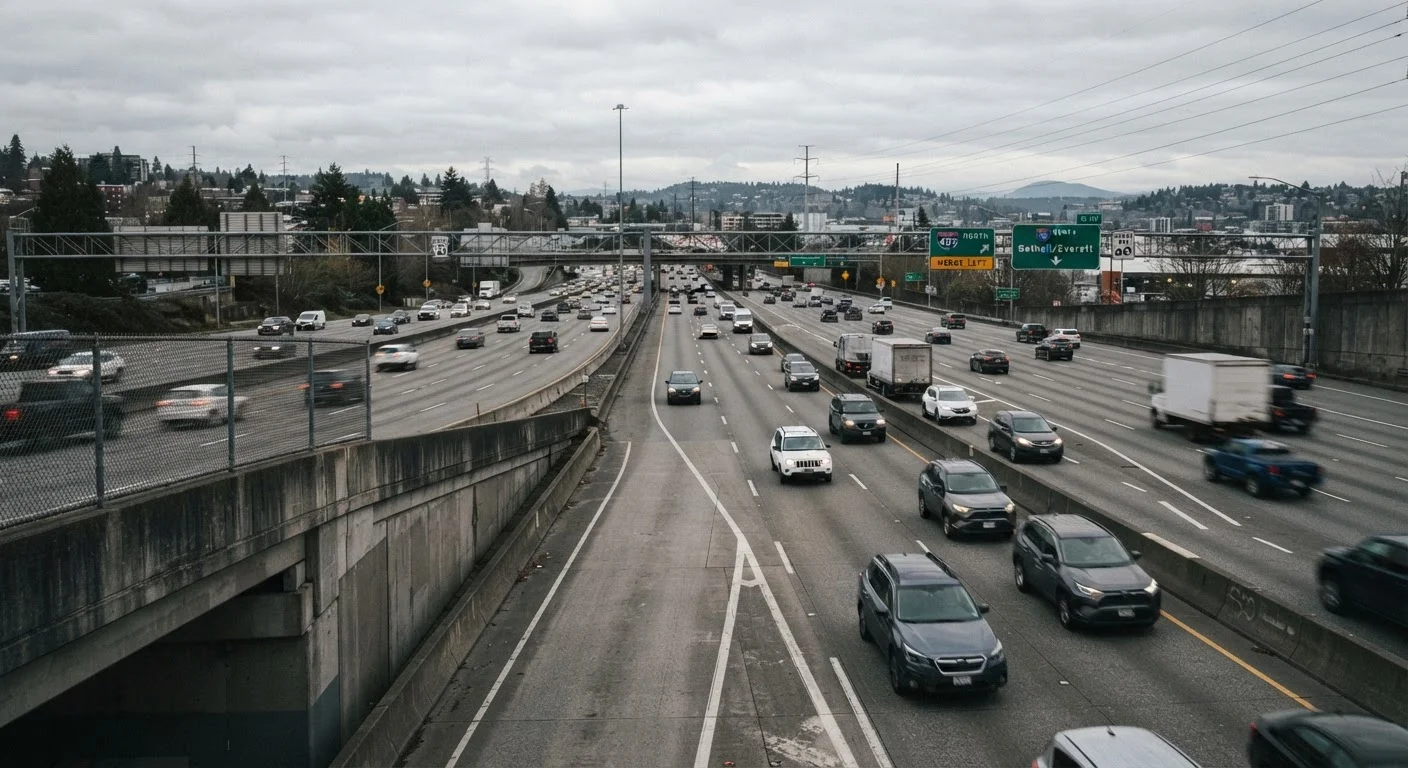
Improper lane changes and merging mistakes are among the most common triggers for both aggressive driving incidents and road rage escalations. Knowing where the line sits between a bad driving habit and a threatening act helps you calibrate both your behavior and your response.
What Triggers Each — and Why It Matters
Aggressive driving tends to have situational roots. Heavy traffic, being late, fatigue, and distraction all contribute. Drivers may not even realize they're tailgating or cutting people off — it can become an unconscious pattern over time. That's actually useful information: if the cause is situational, it's addressable. Giving yourself more drive time, building better situational awareness, and recognizing your personal stress triggers can all reduce aggressive driving habits.
Road rage has a different engine. It typically involves a perceived personal slight — someone cut me off, someone flashed their lights at me, someone "disrespected" me — combined with an emotional response that overrides rational thinking. The driver shifts from frustrated to fixated on the other person. That shift is the danger signal.
Aggressive Driving Can Escalate Quickly
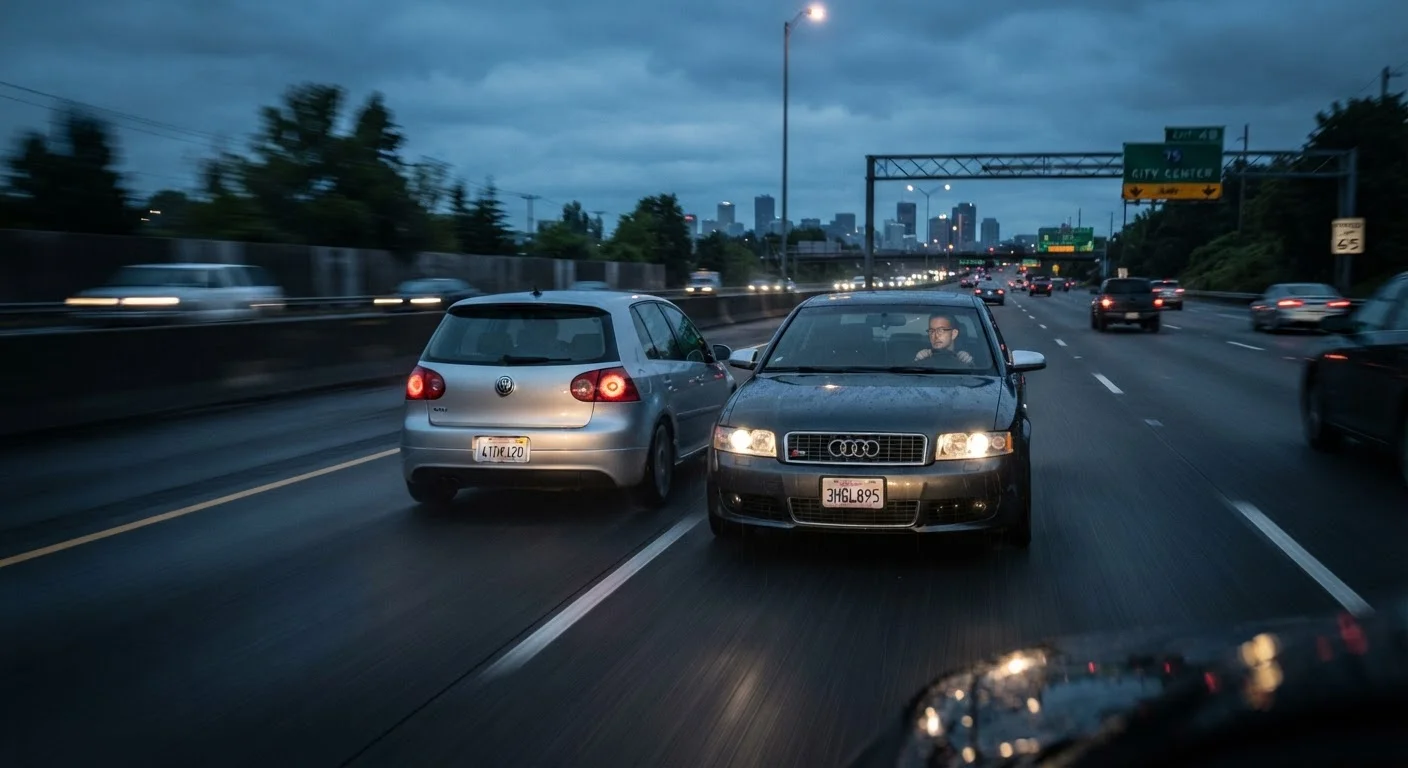
What starts as tailgating or a rude gesture can spiral into a road rage incident if either driver retaliates. Research on driver behavior suggests that perceived disrespect on the road is one of the most common triggers for escalation. Staying calm and non-reactive is the most effective way to prevent an aggressive driving exchange from becoming something more dangerous.
It's also worth noting that aggressive driving can escalate into road rage, especially if the other driver responds in kind. A tailgater who gets brake-checked, or a driver who exchanges gestures, can move from a traffic incident into something far more dangerous. Defensive driving principles are specifically designed to interrupt that cycle before it escalates.
How to Respond — Without Making It Worse
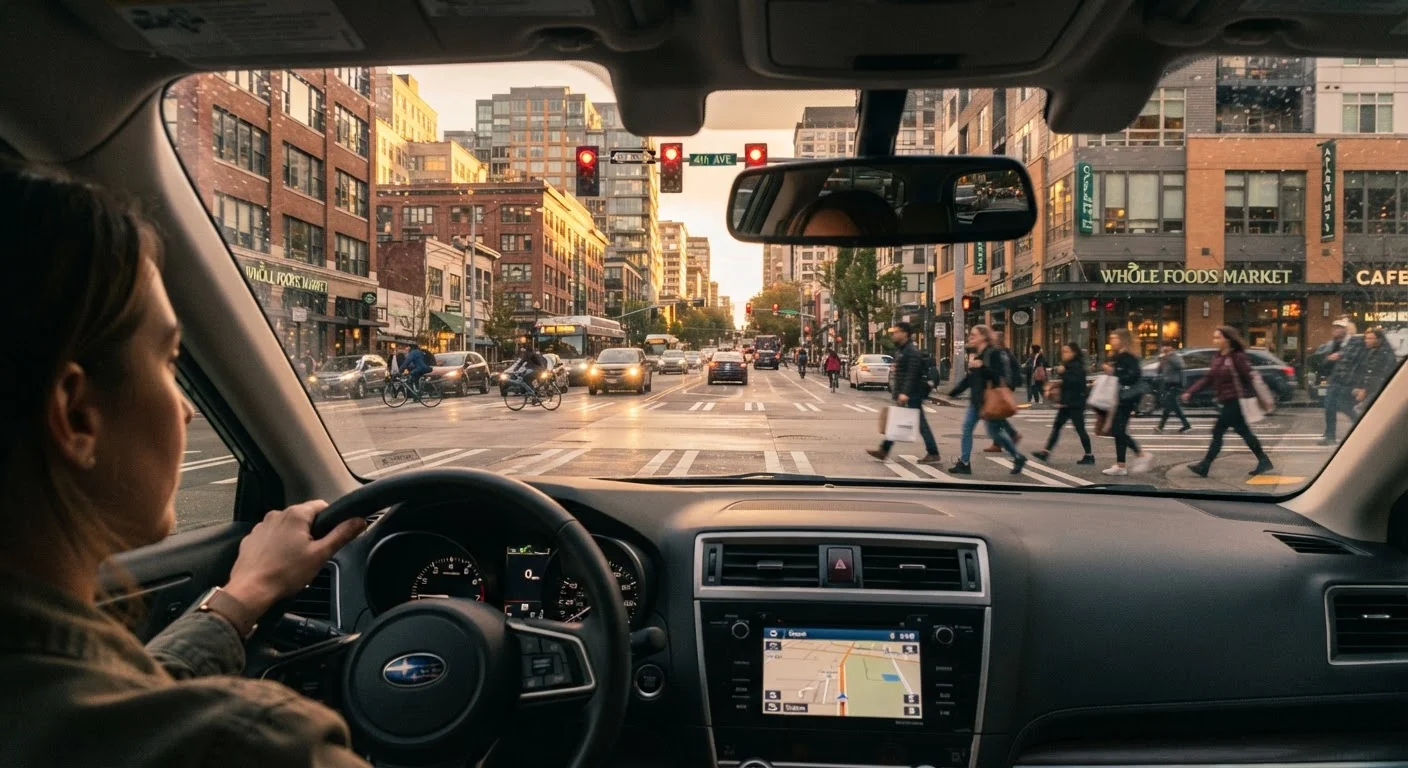
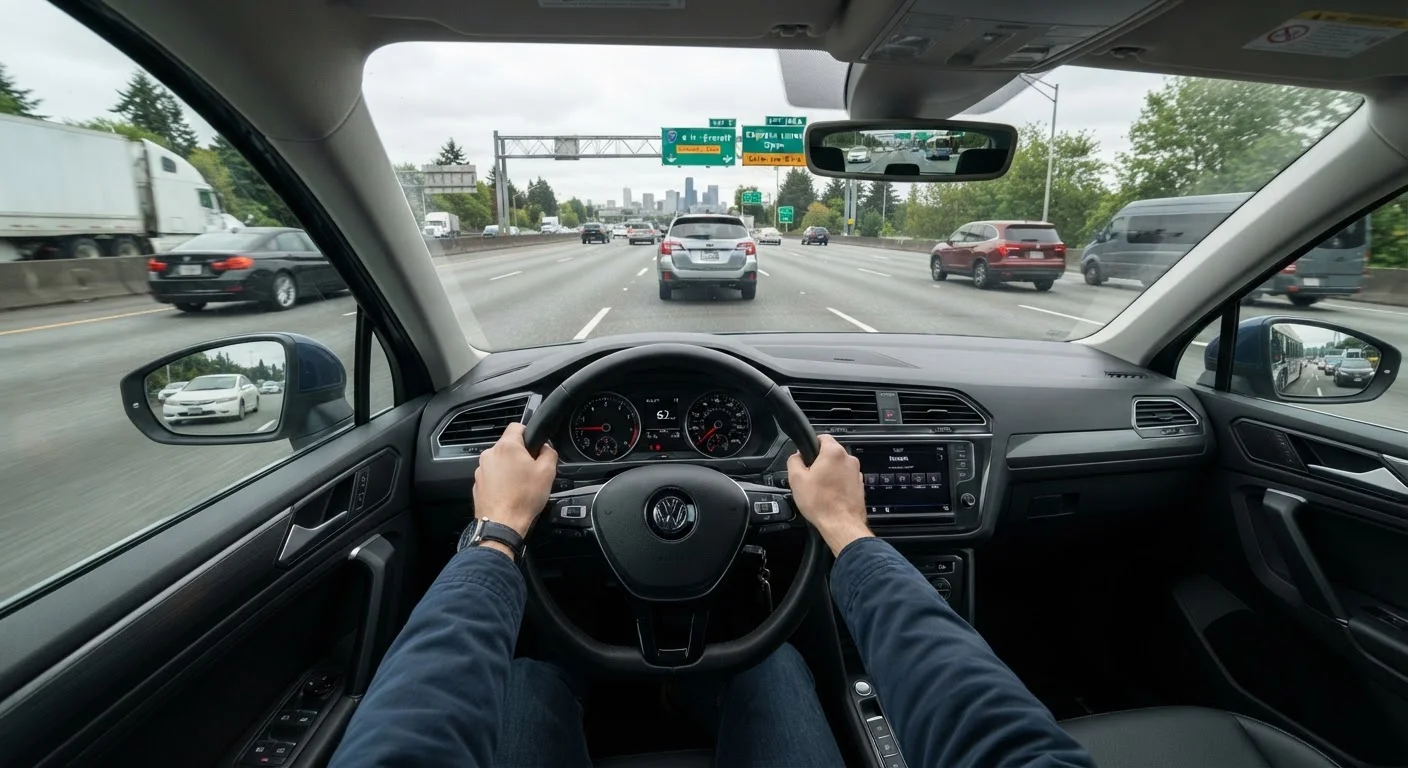
If you recognize aggressive driving in yourself, the fix starts with honesty. Are you consistently speeding? Following too closely? Making last-second lane changes? These are patterns, and patterns can be changed. Highway and city driving each present different challenges, and aggressive habits often get worse in environments where drivers feel anonymous or rushed.
If someone else is directing road rage toward you, the guidance from safety and law enforcement experts is consistent: do not engage. Don't make eye contact, don't gesture, don't retaliate. Put distance between your vehicle and theirs. If the behavior continues or feels threatening — following, blocking, stopping — drive to a public place, keep your doors locked, and call 911. Do not go home; you don't want a threatening driver knowing where you live.
The instinct to respond or defend yourself is understandable, but it almost never de-escalates the situation. The only reliable way to end a road rage encounter is to remove yourself from it. Understanding the difference between these two behaviors isn't just an academic exercise — it changes how you drive, how you react, and how you keep yourself and others safer every time you get behind the wheel.