
Why Dashboard Lights Exist — and What Colors Tell You
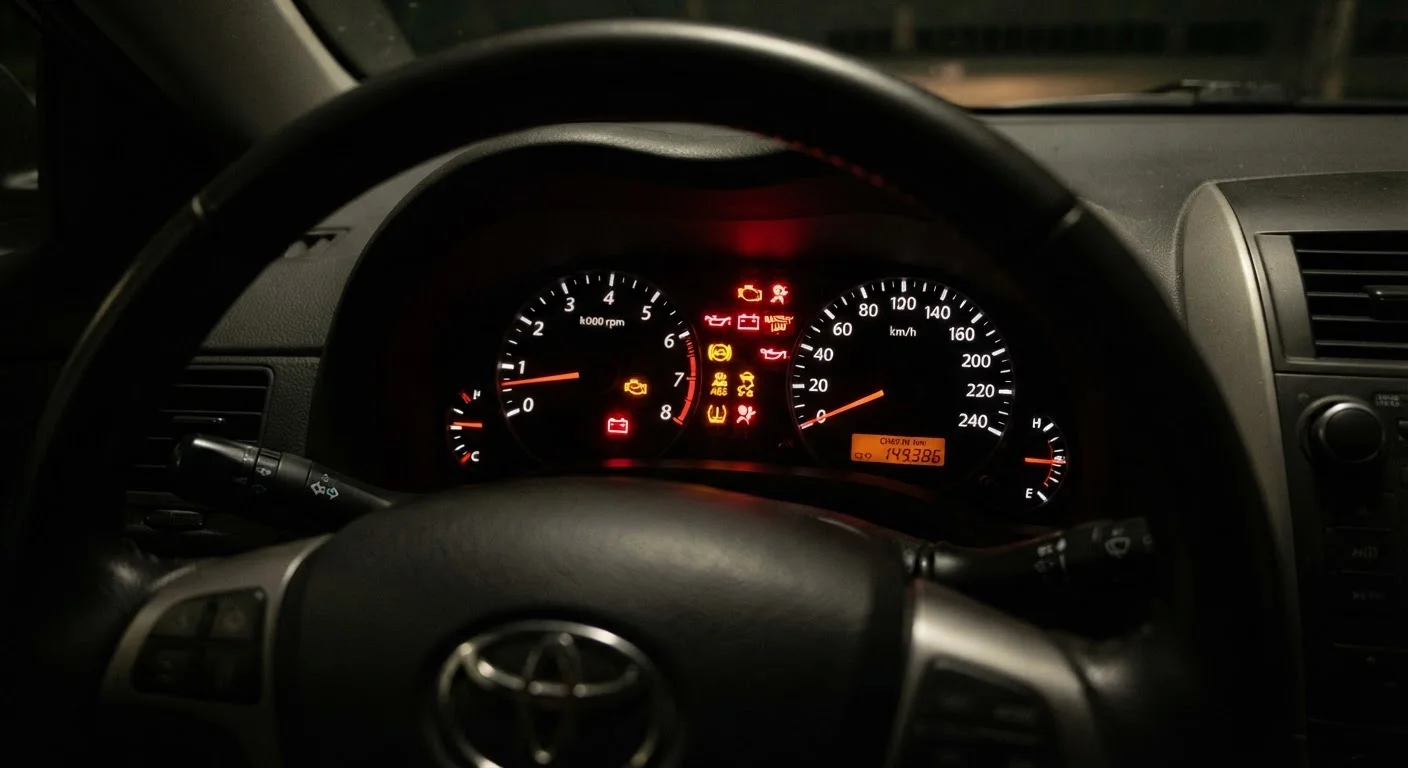
Your vehicle's onboard diagnostic system monitors dozens of systems simultaneously and uses dashboard warning lights to flag problems it detects. Think of them as your car's way of speaking up before a small issue becomes a costly repair or a roadside emergency.
Color is your first clue about urgency:
- Red — Stop or act immediately. These lights signal conditions that can cause engine damage or create a safety risk if you keep driving.
- Amber/Orange/Yellow — Pay attention soon. Something needs service, but you likely have time to schedule an appointment rather than pull over right now.
- Green or Blue — Informational only. These confirm an active system (high beams, turn signals, cruise control).
One quick habit worth building: pair your dashboard awareness with the pre-drive safety check described in our driver safety guide. Catching warning lights before you leave the driveway is always better than catching them at highway speed.
OBD-II (Onboard Diagnostics)
A standardized system built into most vehicles sold in the U.S. after 1996 that monitors engine and emissions components. When it detects a fault, it stores a diagnostic trouble code and typically triggers the check engine light.
Catalytic Converter
An emissions control device in the exhaust system that converts harmful combustion byproducts into less harmful gases. Engine misfires can overheat and damage it quickly.
TPMS (Tire Pressure Monitoring System)
A sensor-based system that alerts the driver when one or more tires drop below a safe pressure threshold. It does not replace manual pressure checks with a gauge.
Alternator
A generator driven by the engine that recharges the battery and powers electrical systems while the vehicle is running. A failing alternator causes the battery warning light to illuminate.
Coolant
A liquid mixture circulated through the engine and radiator to regulate operating temperature. Low coolant levels or leaks are a common cause of engine overheating.
The Warning Lights You're Most Likely to See
Here's a plain-language rundown of the most common warning symbols and what they generally indicate. Because symbols and triggers vary by make, model, and year, always cross-reference your owner's manual for the exact meaning in your vehicle.
| Red light urgency | Stop or act immediately |
| Amber light urgency | Schedule service soon |
| Flashing check engine vs. steady | Flashing = same-day service; Steady = schedule within days |
| OBD-II standard adoption | Required on all U.S. cars and light trucks since 1996 (U.S. Environmental Protection Agency) |
| Most commonly illuminated light | Check engine (amber) |
| Safe cooldown time before opening radiator cap | At least 30 minutes after shutoff |
Engine / Check Engine (Amber)
This is the most misunderstood light on the road. It activates when the vehicle's computer detects something outside normal parameters — ranging from a loose gas cap to a misfiring cylinder. A steady amber light usually means you can drive to a mechanic soon. A flashing check engine light often indicates an active misfire that can damage your catalytic converter; ease off the throttle and seek service the same day.
Oil Pressure Warning (Red)
This is a stop-now light. Low oil pressure can destroy an engine within minutes of driving. Pull over safely, shut off the engine, and check the oil level with the dipstick after giving the engine a moment to cool. Do not restart and drive if the level is normal but the light stays on — that points to a pressure sensor or pump issue requiring a mechanic.
Temperature Warning (Red)
Your engine is overheating. Pull over, turn off the engine, and do not open the radiator cap while hot. Let it cool for at least 30 minutes before inspecting coolant levels.
Battery / Charging System (Red or Amber)
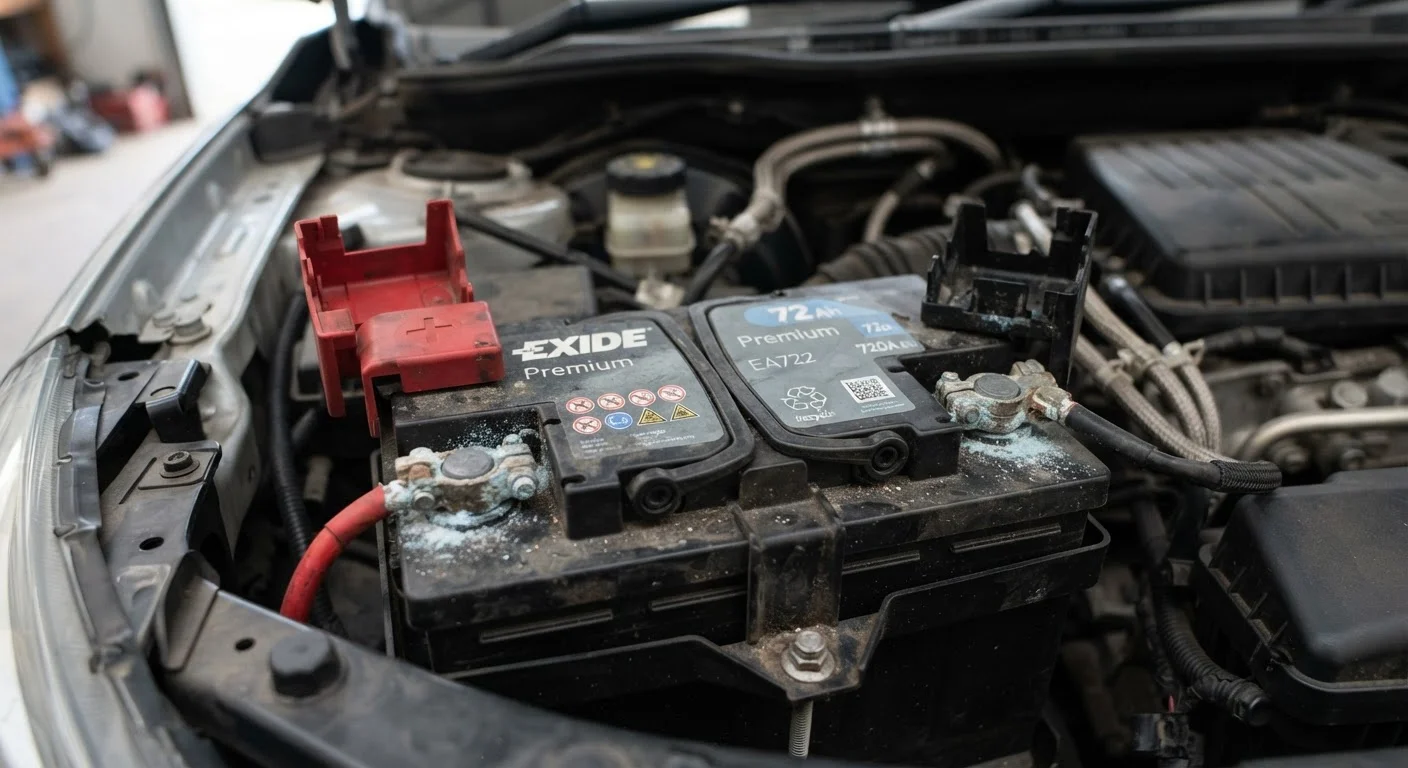
This light signals the charging system isn't maintaining proper voltage — usually the alternator or a failing battery. The car may keep running on reserve power for a short time, but electrical systems will begin to fail. Head straight to a mechanic. For a deeper look at battery behavior, see our guide on car battery care and wear signs.
Brake Warning (Red)
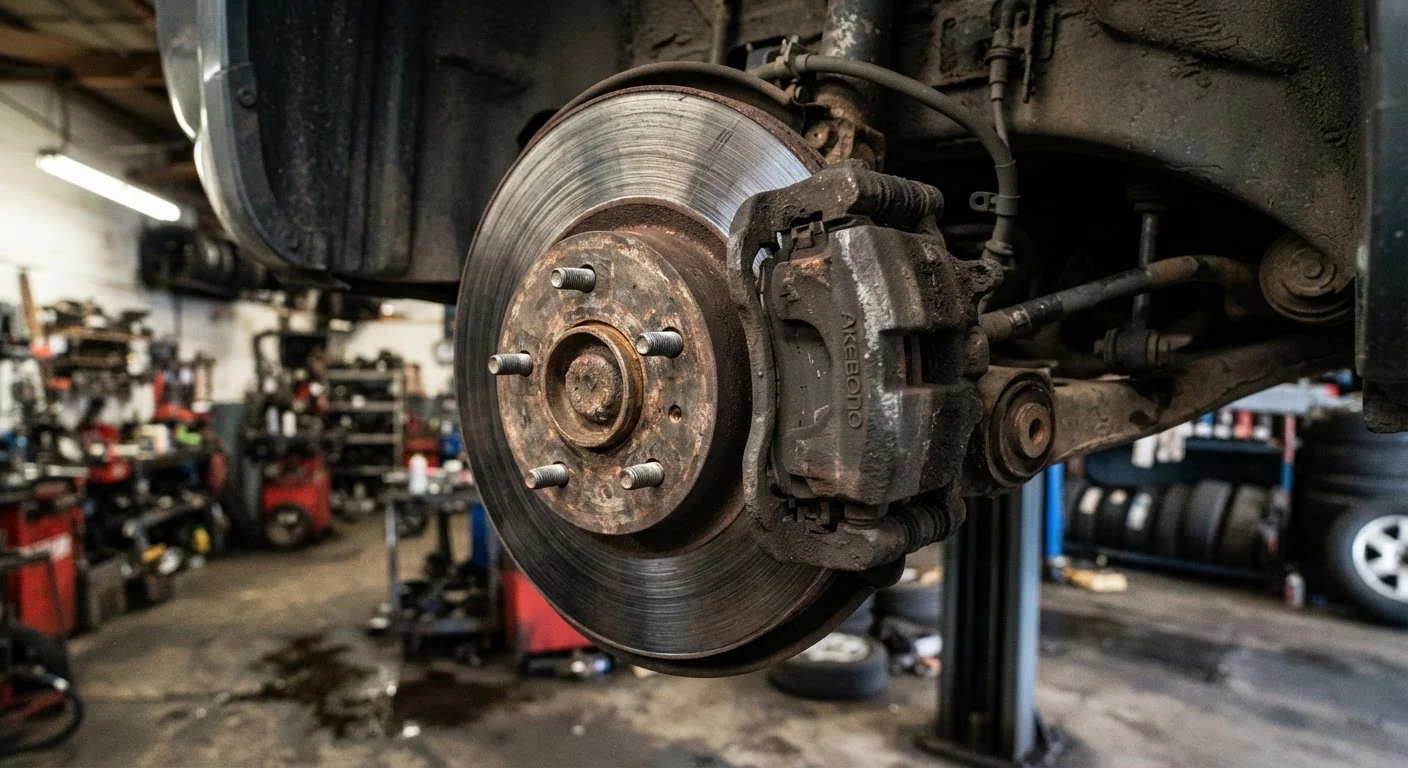
If the parking brake is off and this light is on, you may have low brake fluid or a brake system fault — both are serious safety concerns. Do not ignore it. Paired with noise? Our article on what brake squealing signals can help you understand what you're hearing.
Tire Pressure (TPMS) — Amber
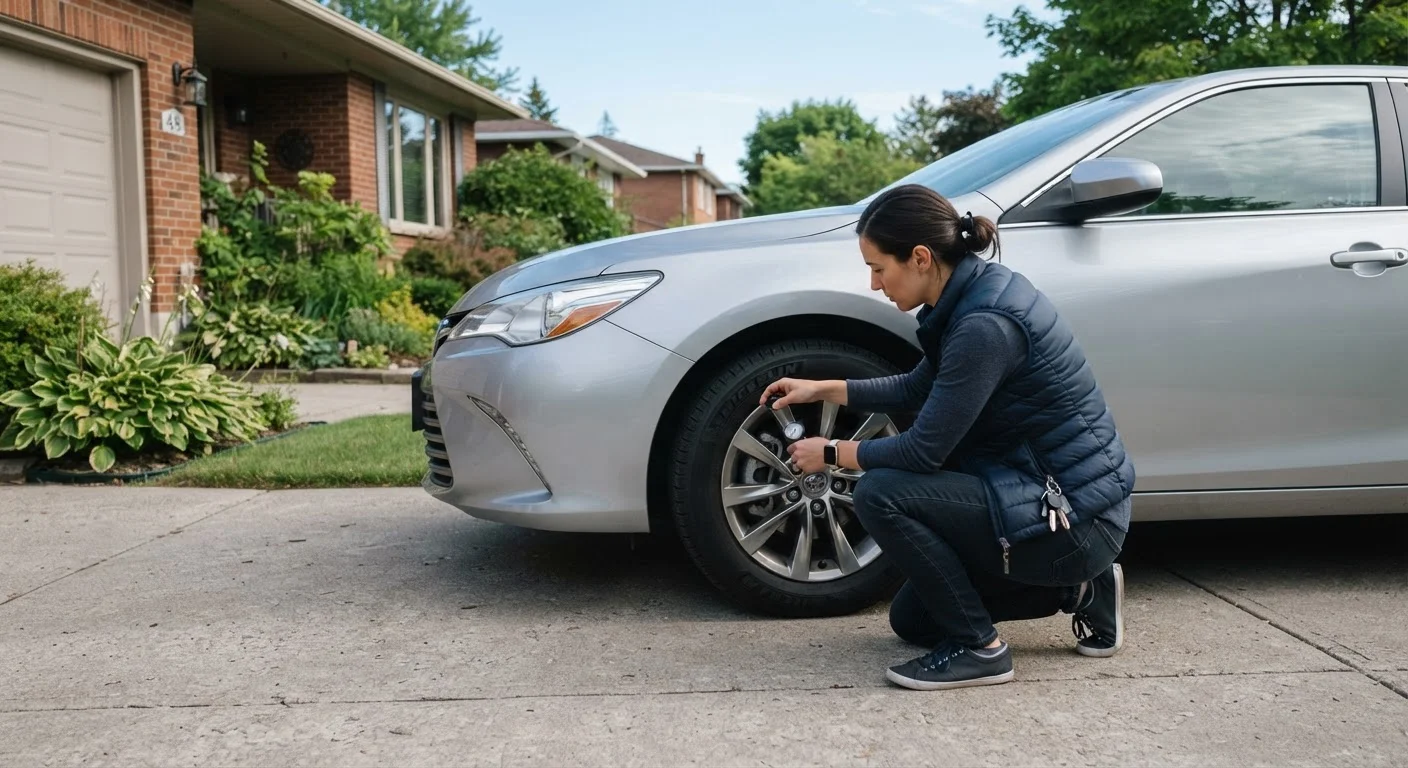
One or more tires are significantly under- or over-inflated. Check pressures with a gauge at your earliest opportunity. Proper inflation affects fuel efficiency, handling, and tire life.
When to Pull Over Immediately vs. When to Schedule Service
Not every light demands that you stop on the spot, but some genuinely do. Use this simple rule of thumb:
- Pull over now: Oil pressure, engine temperature, brake warning (with no parking brake engaged), or any red light accompanied by unusual sounds, smells, or handling changes.
- Drive to a shop today: Flashing check engine light, battery/charging warning.
- Schedule within a week: Steady amber check engine light, TPMS, low fuel, service reminders.
If you're ever unsure whether a situation qualifies as a roadside emergency, our overview of emergency situations on the road walks through how trained responses differ from instinct — useful context for staying calm under pressure.
When any warning light appears, note whether it's steady or flashing, what color it is, and whether anything else feels different about the vehicle. That information helps a mechanic diagnose the issue faster. If multiple lights illuminate at once, treat the situation as serious until a professional can evaluate it.
This article is for general informational purposes. Always consult a qualified mechanic for diagnosis and repair of your specific vehicle.