
The Wear Indicator: Your Brakes' Built-In Alert System
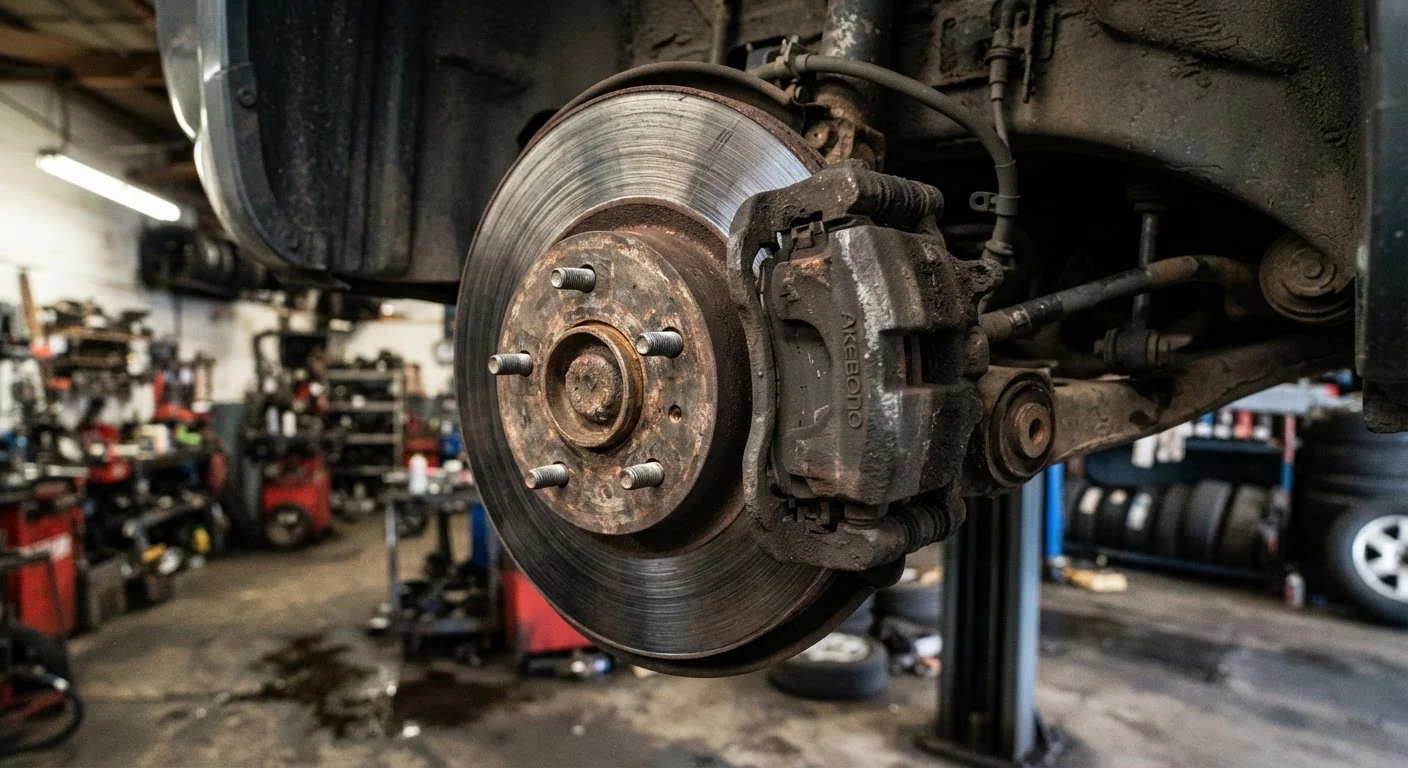
Most modern brake pads include a small metal tab called a wear indicator. When the friction material wears down to a certain thickness — typically around 2–3 mm — this tab contacts the spinning rotor and produces a consistent, high-pitched squeal. Think of it as a low-fuel warning light, but for your brakes.
This squeal usually happens every time you apply the brakes and doesn't go away with repeated stops. If that describes what you're hearing, it's time to schedule a brake inspection. Catching it at the wear-indicator stage means you likely need new pads only — a much less expensive fix than waiting until the pads are gone entirely.
Check Your Pads at Every Oil Change
A quick visual inspection of brake pad thickness is something many shops include with routine oil service. If yours doesn't offer it, ask. Catching wear early is far less expensive than replacing both pads and rotors. Some wheels have open spokes that let you see the pad and rotor without removing the wheel.
When Squealing Is Normal (and When It Isn't)
Not every brake squeal signals a problem. Here's how to tell the difference:
- Morning squeal that fades quickly: Overnight moisture causes a thin layer of surface rust on exposed rotors. The first few stops scrub it off. This is normal and harmless.
- Squeal after the car sits in rain or humidity: Same principle — surface oxidation. Clears up with use.
- Squeal during light braking at low speeds: Some brake pad compounds are simply noisier than others, especially at low temperatures. If stopping power feels normal, this is usually a low-concern issue.
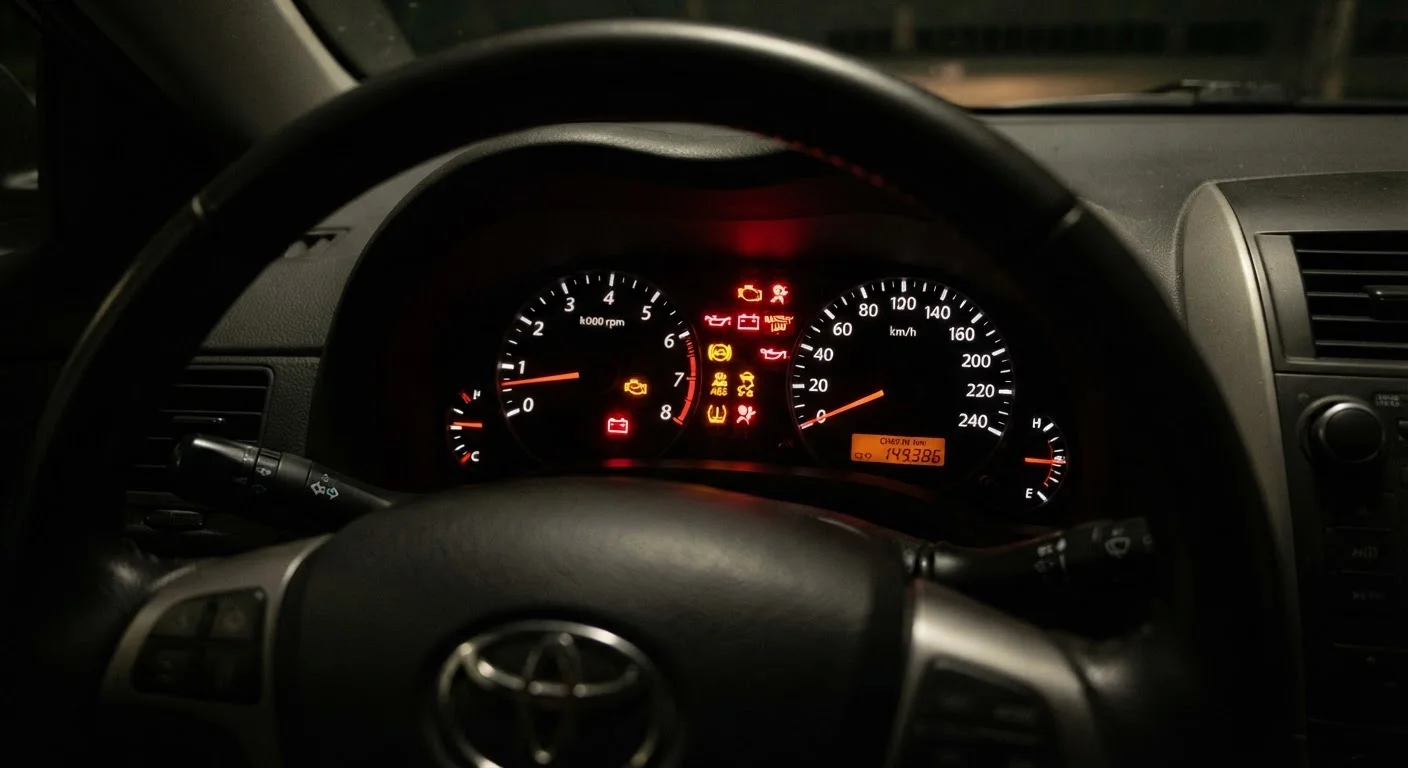
By contrast, squealing that is constant, gets louder over time, or comes paired with pulling to one side or a soft brake pedal is a different story. Those combinations call for professional attention sooner rather than later. You can also check for related warning lights — see our guide to dashboard warning lights for help interpreting what your instrument cluster might be telling you alongside brake symptoms.
Grinding, Vibration, and Other Noises — What They Mean
Brake noises exist on a spectrum. Understanding where your noise falls helps you gauge urgency:
~3mm
Typical pad thickness triggering wear indicator
Most manufacturers design wear indicators to contact the rotor when friction material reaches approximately 2–3 mm remaining.
2–3x
Cost increase from delaying pad replacement
Allowing pads to wear past the metal backing and damage the rotor can multiply repair costs, since rotor replacement is added to pad replacement.
- Grinding or growling
- Usually means the brake pad friction material is gone and metal is contacting the rotor directly. This damages the rotor surface rapidly and reduces stopping power. It requires prompt repair.
- Squealing with vibration in the pedal
- Could indicate a warped rotor — a rotor that has developed an uneven surface from heat stress. The pedal pulsation is a reliable sign alongside the noise.
- Clicking or knocking when braking
- Loose brake hardware — such as a pad that's not seated correctly — can produce clicking. Less common, but worth checking.
If any of these describe your situation, a qualified mechanic should inspect the brakes before you rely on them for highway or heavy-traffic driving.
What Causes Brakes to Squeal Prematurely?
Brakes don't always squeal simply because they're worn. A few other causes are worth knowing:
- Glazed pads or rotors: Excessive heat — from aggressive braking on long downhill grades, for example — can harden the pad surface or glaze the rotor, reducing friction and causing noise.
- Dust and debris: Dirt or small stones lodged between the pad and rotor can produce squealing or scraping sounds temporarily.
- Low-quality replacement parts: Aftermarket brake pads vary significantly in material quality. Some cheaper compounds are inherently noisier.
- Improper installation: Missing or damaged anti-squeal shims — thin layers that dampen vibration between the pad and caliper — can allow the pad to resonate against the caliper bracket.
In most of these cases, the fix requires inspection to confirm the root cause. Don't assume surface debris is the issue if the noise is persistent.