
The Chemistry Behind Why Batteries Wear Out
Smartphone batteries use lithium-ion chemistry. During charging, lithium ions move from one electrode to another and store energy; during use, they travel back and release it. This movement is what powers your phone — and it's also what gradually wears the battery out.
Each time lithium ions travel through the electrolyte (the liquid or gel medium inside the cell), microscopic changes accumulate. Electrode materials expand and contract, tiny amounts of lithium get trapped in unproductive forms, and the electrolyte slowly breaks down. None of these changes are individually dramatic, but they add up over hundreds of cycles until the battery simply can't hold as much charge as it once did.
It's a bit like a sponge that loses some of its pores every time it's wrung out — it still absorbs water, just not as much. Unlike some wear processes, this one is irreversible. Understanding this helps explain why certain habits protect the battery: they reduce the intensity of each cycle rather than eliminate the wear entirely.
Heat: The Biggest Enemy Your Battery Has
If there's one factor that accelerates battery degradation more than any other, it's heat. Elevated temperatures speed up the chemical reactions inside the cell — including the harmful side reactions that break down electrodes and electrolytes. A phone that regularly runs hot will lose capacity faster than an identical phone kept cool.
Keep Your Phone Away From Heat Sources
Even short periods of high heat — like a phone left in direct sunlight on a dashboard — can cause lasting battery damage. If your phone feels hot during charging, remove any case and set it on a hard, flat surface to let heat dissipate. Charging in a cool environment consistently makes a measurable difference over months of use.
Common sources of battery-damaging heat include:
- Leaving a phone in a parked car on a sunny day
- Wireless charging, which is inherently less efficient and generates more heat than wired charging
- Playing graphics-intensive games or running the camera for extended periods
- Placing the phone under a pillow or blanket while charging
Cold is also worth noting: very low temperatures temporarily reduce battery performance, but this effect is largely reversible once the phone warms back up. Sustained heat causes permanent damage; brief cold causes temporary sluggishness.
Charging Habits That Reduce Stress on the Battery
Lithium-ion cells experience the most electrochemical stress at the extremes of their charge range — near 0% and near 100%. Keeping the battery in a middle range, generally between about 20% and 80%, reduces that stress and can meaningfully slow long-term capacity loss.
This doesn't mean you need to obsess over exact percentages. But a few simple habits make a real difference:
- Use optimized or adaptive charging features. Most modern smartphones include a setting that learns your daily schedule and slows the final stage of overnight charging to reduce time spent at 100%.
- Reserve fast charging for when you actually need it. Standard-speed charging generates less heat and is gentler on the battery for everyday top-ups.
- Avoid letting the battery run to zero regularly. Occasional full discharges aren't catastrophic, but habitual deep discharges add extra stress to each cycle.
For a parallel look at how these principles apply to other devices, the laptop battery myths explained article covers similar chemistry in a portable computer context.
How Software and Hardware Design Play a Role
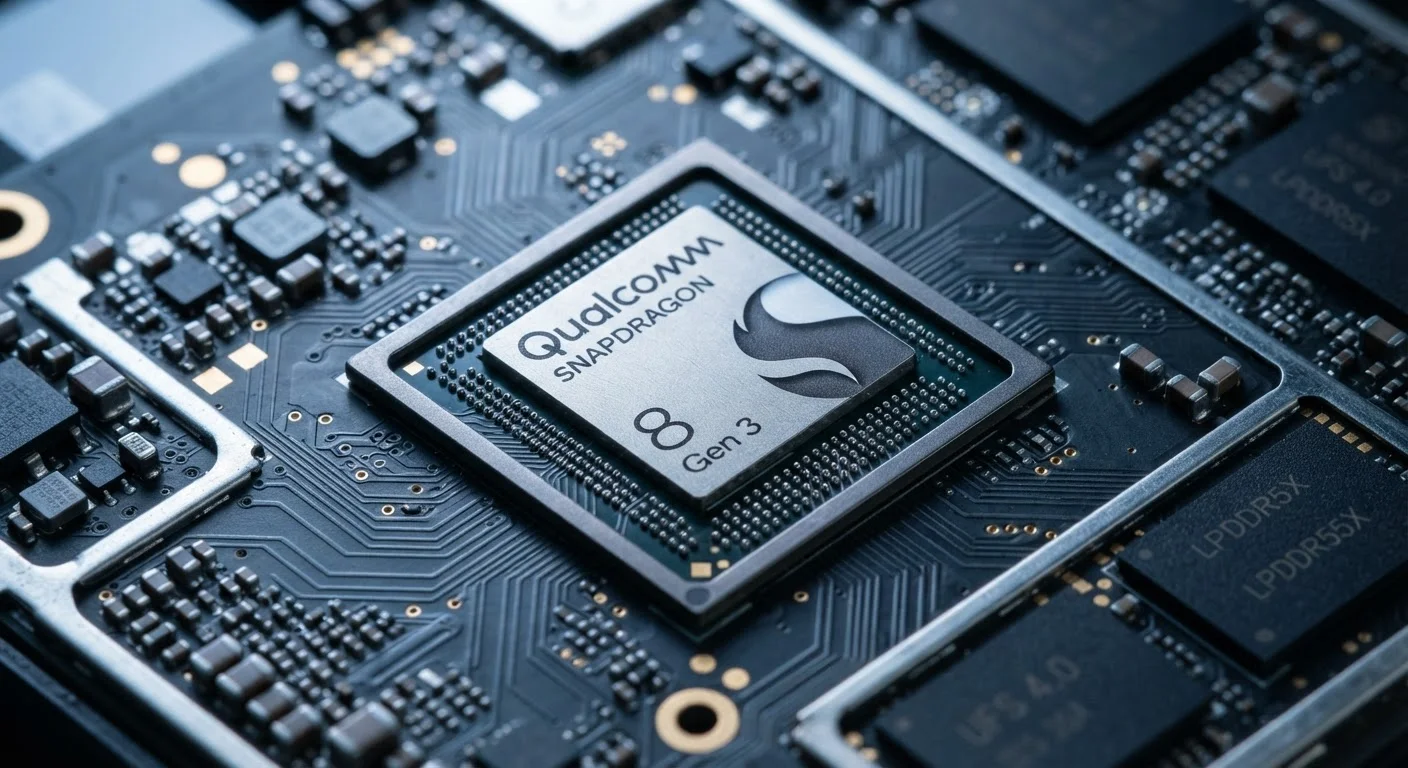
Battery longevity isn't determined by user habits alone. The phone's processor plays a meaningful role: a chip that completes tasks quickly and efficiently generates less sustained heat than one that labors through the same workload. How mobile processors affect battery life and more explains this connection in detail.
Software also matters. Battery management algorithms built into the operating system control how charge flows in and out of the cell. Manufacturers periodically update these algorithms, which is one reason keeping your phone's software current can have a real impact on battery behavior — independent of any new features.
~80%
Typical capacity retained after 500 full charge cycles
This is a common manufacturer benchmark cited for lithium-ion smartphone batteries under normal operating conditions.
25°C (77°F)
Optimal storage and operating temperature for lithium-ion cells
Battery researchers generally identify this temperature range as where lithium-ion chemistry operates with the least accelerated degradation.
Finally, it's worth knowing that battery degradation doesn't happen in isolation from a phone's overall useful life. As a phone ages, it may also lose access to security patches. The impact of losing security updates is a separate but related factor worth weighing when deciding whether to replace a device with a degraded battery or invest in a repair.