

How Each Strategy Works
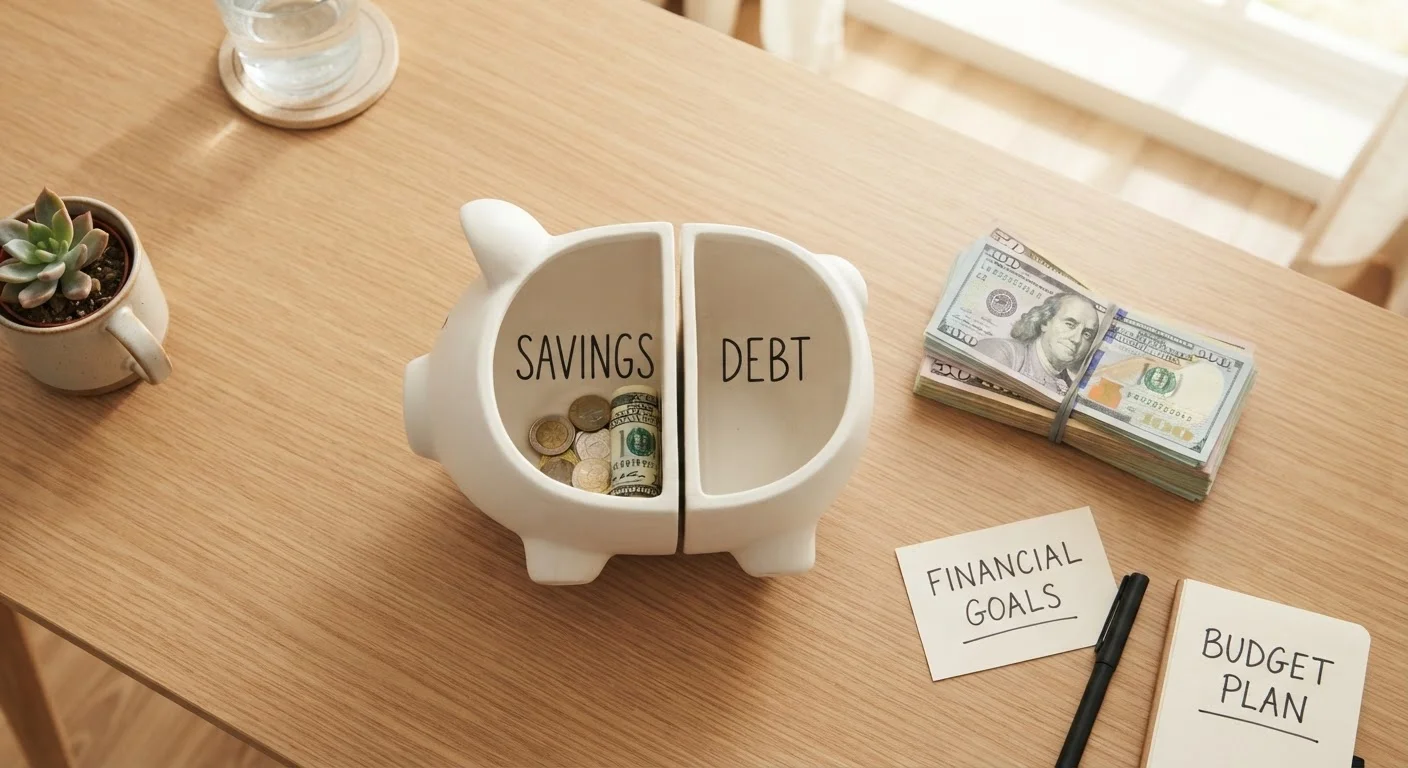
Both the debt avalanche and the debt snowball follow the same basic structure: pay the minimum on every debt, then put any extra money toward one target debt at a time. The difference is which debt you target first.
Debt Avalanche: You rank your debts from highest interest rate to lowest. All extra payments go toward the highest-rate debt until it's gone, then you roll that payment to the next one. Because you're attacking the debt that compounds most aggressively, you pay less in interest overall.
Debt Snowball: You rank your debts from smallest balance to largest, regardless of interest rate. You knock out the smallest one first, then roll its payment to the next. Each paid-off account is a concrete victory — and that sense of progress is the whole point.
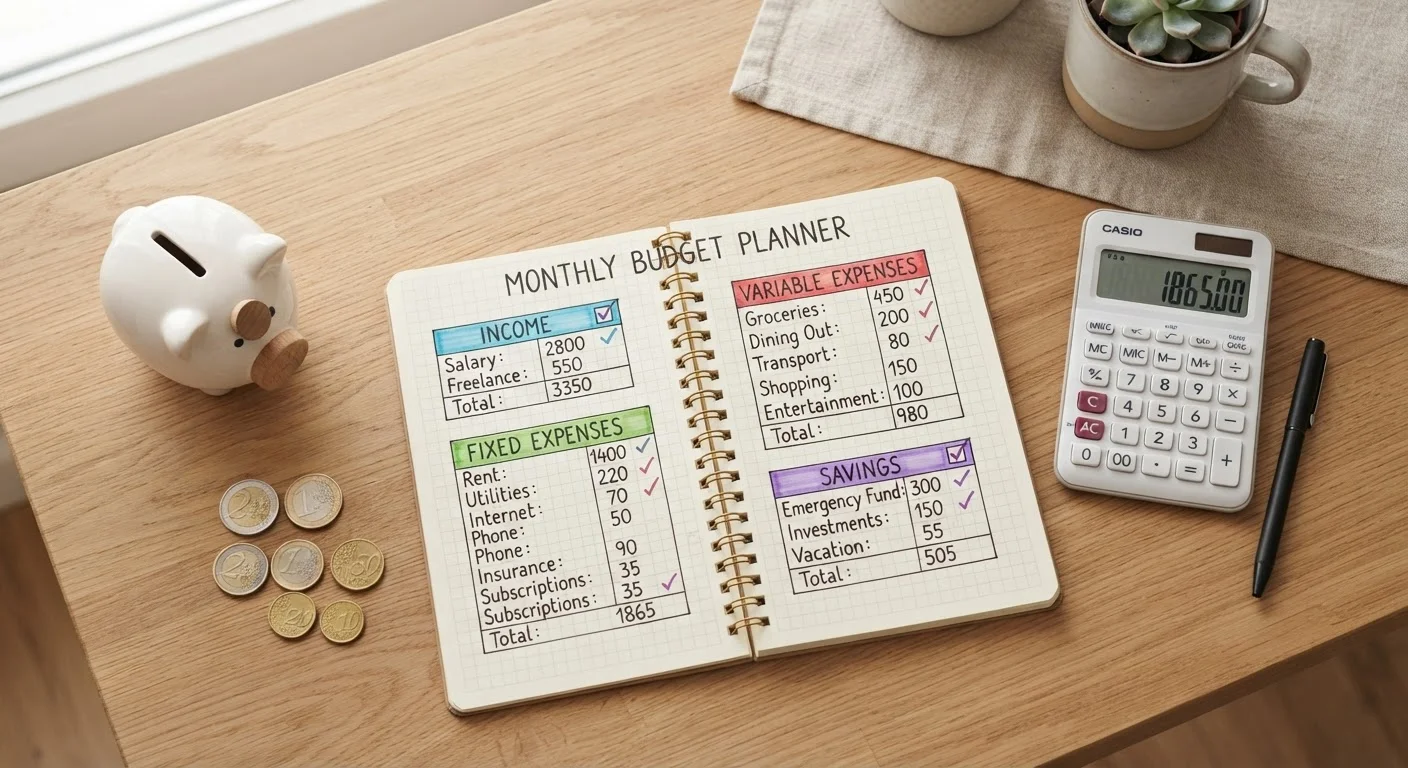
To put either method to work, you'll also want a basic budget framework in place. The budgeting basics hub is a helpful starting point if you haven't mapped your monthly cash flow yet.
| Criterion | Debt Avalanche | Debt Snowball |
|---|---|---|
| Payoff order | Highest interest rate first | Smallest balance first |
| Total interest paid | Lower over time | Potentially higher |
| Early motivation | Slower — wins may take longer | Faster — quick early payoffs |
| Complexity | Requires tracking interest rates | Simple balance ranking |
| Best personality fit | Analytical, patient planners | Habit-builders, motivation-driven |
| Works best when | High-rate debt has manageable balance | Multiple small balances exist |
The Case for the Avalanche
From a pure numbers standpoint, the avalanche wins. By eliminating high-interest debt sooner, you reduce how much interest accumulates on the remaining balances. Over months or years, that gap in total interest paid can be meaningful — sometimes hundreds of dollars, sometimes more, depending on your balances and rates.
The trade-off is patience. If your highest-interest debt also carries a large balance, it might take many months before you pay it off entirely. During that time, your account count doesn't change, which can feel like you're not making progress — even when you are.
The avalanche tends to work well for people who are comfortable with spreadsheets, motivated by long-term savings, and not prone to abandoning a plan when early results are invisible. It also pairs well with strategies for finding extra money in your budget to accelerate payoff timelines.
The Case for the Snowball
Behavioral research consistently shows that motivation is a major factor in whether people actually follow through on financial plans. The snowball method is designed around that reality. Clearing a balance — even a small one — triggers a real sense of accomplishment and reduces the number of accounts you're juggling.
The cost is paying more in interest over time compared to the avalanche, particularly if your smallest debts happen to carry low interest rates. But a plan you stick with beats a mathematically perfect plan you abandon. For many people, the snowball's psychological rewards make the small extra cost worthwhile.
If you're balancing multiple financial goals at once — paying down debt while trying to save — see how to split your paycheck between saving and debt payoff for a practical framework.
Don't Forget Your Emergency Fund
Whichever method you choose, financial educators broadly recommend building at least a small emergency fund before throwing every spare dollar at debt. Without a cushion — even $500 to $1,000 — an unexpected car repair or medical bill may force you to take on new debt, undoing your progress.
This doesn't mean saving aggressively while carrying high-interest debt. It means finding a balance. The 50/30/20 rule and other budgeting frameworks can help you structure that balance intentionally.
When Debt Consolidation Might Factor In
If you're carrying several high-interest debts, consolidating them into a single lower-rate loan could change which payoff method makes more sense — or simplify the decision entirely. That said, consolidation comes with its own costs and trade-offs. See how debt consolidation works and when it makes sense for an objective breakdown before pursuing that route.
If you start a payoff plan and it doesn't seem to be moving, that's worth examining closely. See signs your debt repayment plan isn't working for guidance on when to reconsider your approach.
This article is for general informational purposes only and does not constitute personalized financial advice. Consult a licensed financial professional before making decisions about your specific debt situation.