

How to Tell Your Plan Has Stalled
A debt repayment plan that looked workable on paper can quietly stop functioning in real life. The most obvious warning signs include consistently making only minimum payments despite intending to pay more, regularly borrowing from savings or credit to cover routine expenses, and feeling like your total balances aren't moving despite months of effort.
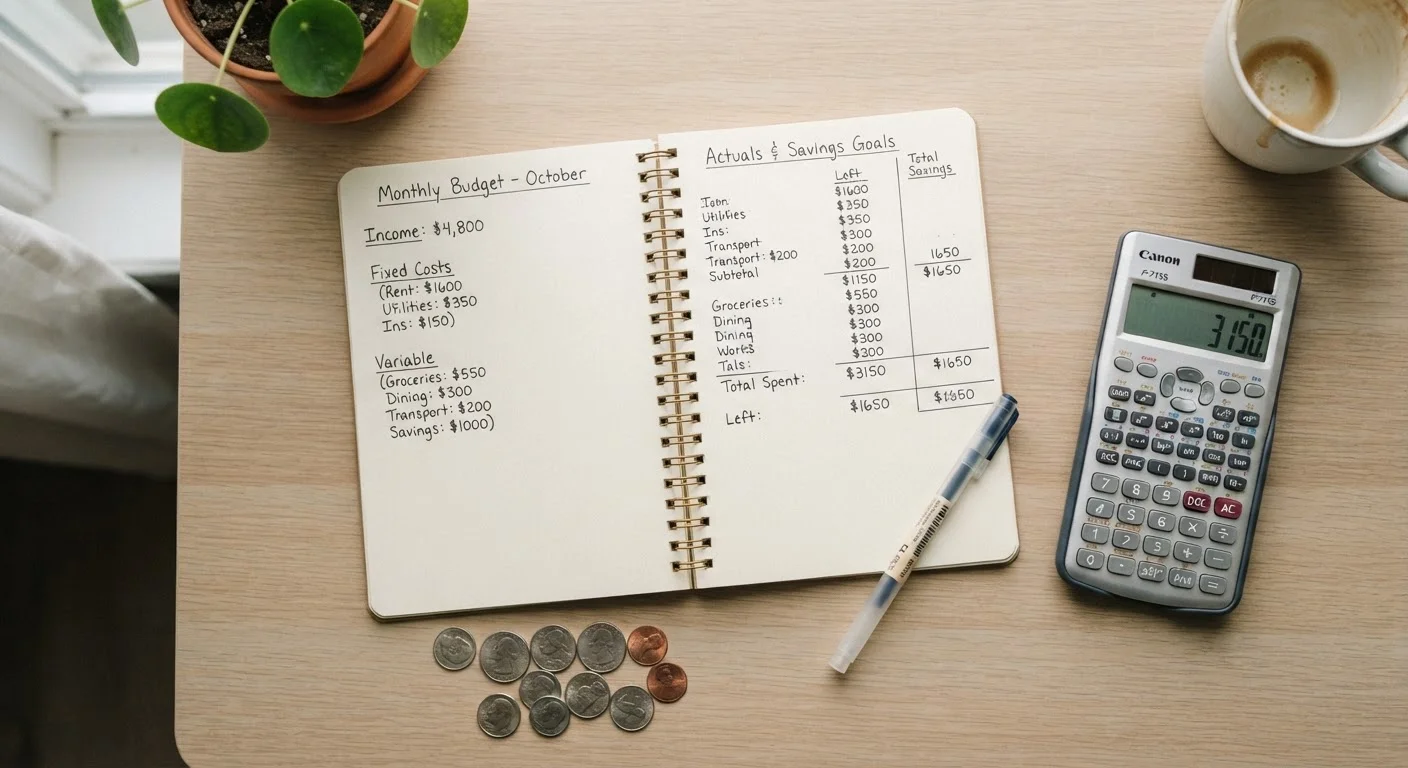
Less obvious signs include dread or avoidance — if you've stopped checking account balances or skipped your monthly budget review, that's a signal the plan has become unsustainable. A plan you avoid is a plan that isn't working. The goal here isn't to assign blame but to identify friction points so you can recalibrate.
Don't Drain Your Emergency Fund for Debt
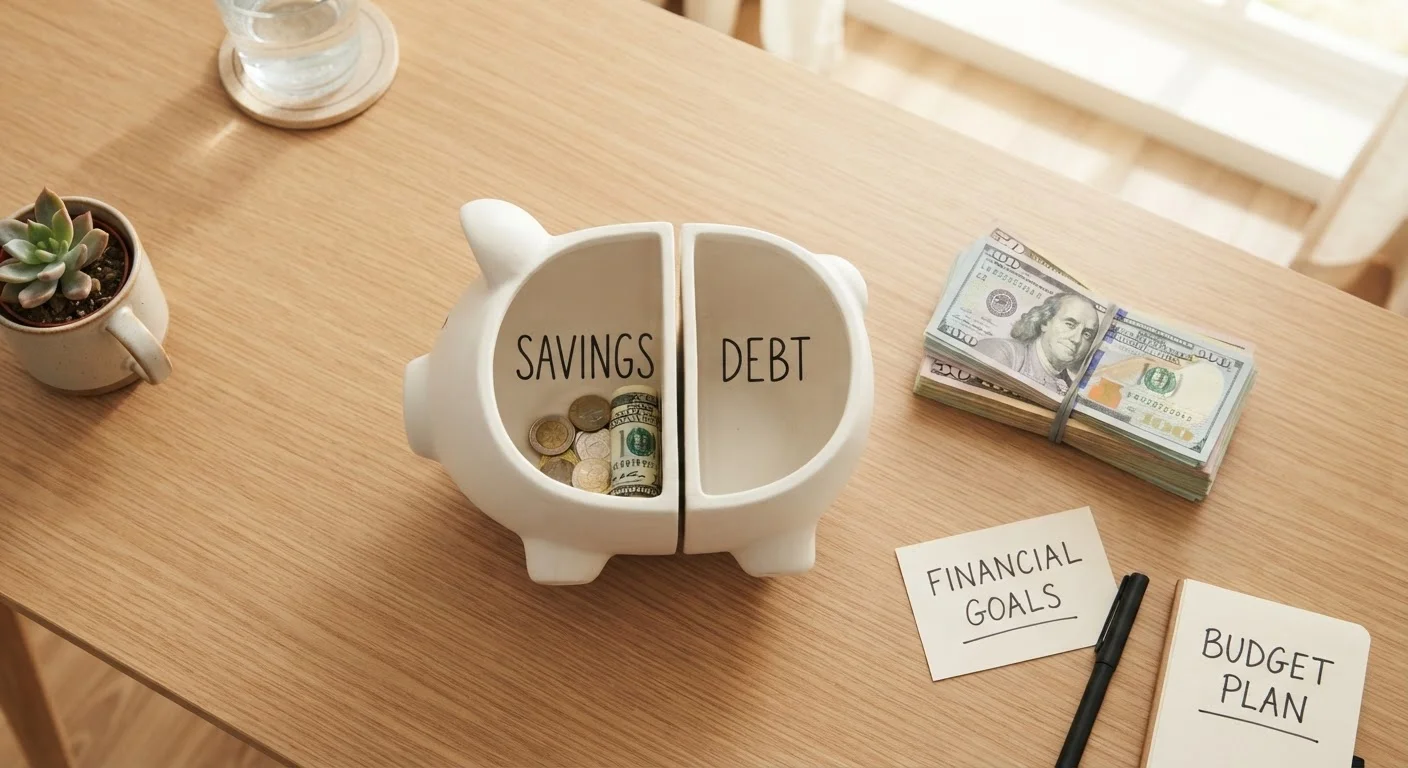
Wiping out your savings to accelerate debt payoff can feel logical, but it often backfires. Without a cash cushion, an unexpected car repair or medical bill forces you back onto credit cards — often at high interest — undoing months of progress. Most financial educators suggest maintaining at least a small emergency fund (even $500–$1,000) while paying down debt. See our guide to splitting your paycheck for a balanced approach.
Common Mistakes That Stall Debt Payoff — and How to Fix Them
Most plan failures trace back to a handful of predictable errors. Understanding why they happen makes them easier to correct without starting over from scratch.
Putting every spare dollar toward debt while keeping zero emergency savings.
Why it happens: The math seems clear: paying down a 20%+ APR debt feels smarter than letting cash sit idle. But this ignores how quickly a single emergency derails the plan.
Choosing a repayment method that doesn't fit your budget or personality and abandoning it within a few months.
Why it happens: People often pick the mathematically optimal strategy — such as the debt avalanche (highest interest first) — without considering whether the slow early progress will cause them to give up.
Treating the plan as fixed and never revisiting it after income or expense changes.
Why it happens: Setting a plan and forgetting it feels like discipline. In reality, life changes — income fluctuates, bills shift — and a static plan quickly becomes misaligned with reality.
Continuing to add new charges to the debt you're trying to pay off.
Why it happens: Budget gaps or a lack of accessible savings push people to reach for the same credit card they're trying to eliminate, creating a treadmill effect where the balance never meaningfully drops.
Ignoring the interest rate structure and paying the wrong debt first.
Why it happens: Without a clear picture of each debt's APR, minimum payment, and balance, it's easy to default to paying equal amounts across all debts — which is usually the least efficient approach.
This article is for general informational purposes only and does not constitute personalized financial, tax, or legal advice. For guidance specific to your situation, consider speaking with a qualified financial professional or a nonprofit credit counselor.