
How Each Method Works
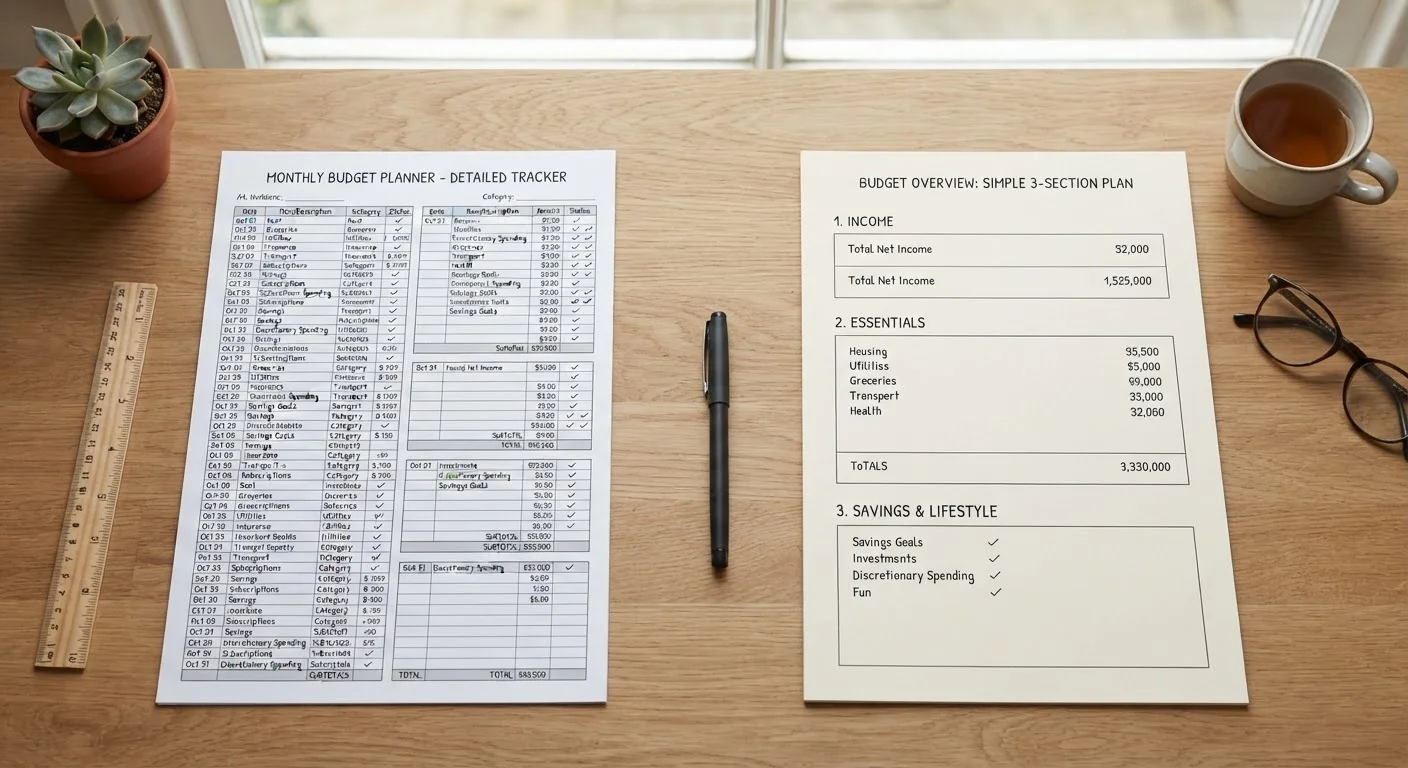
Zero-based budgeting starts with your expected take-home income for the month and subtracts planned expenses until you reach zero. That zero doesn't mean an empty bank account — it means every dollar has been assigned somewhere: rent, groceries, an emergency fund contribution, a streaming subscription, whatever applies to your life. If you have $3,800 coming in, your budget categories must collectively add up to $3,800. Nothing floats untracked. For more on how this approach stacks up against another detail-oriented method, see our comparison of zero-based budgeting and the envelope method.
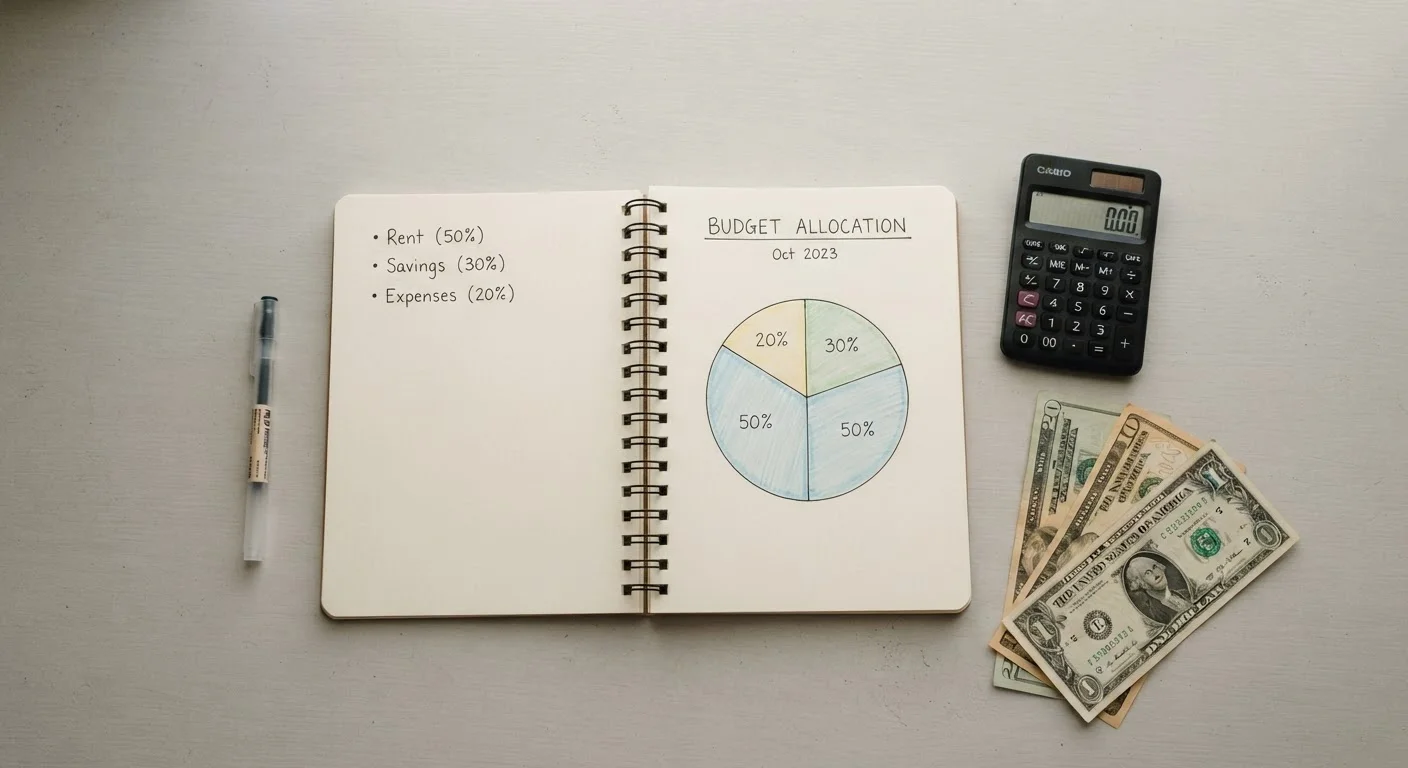
The 50/30/20 rule takes a wider lens. You divide your after-tax income into three buckets: 50% toward needs (housing, utilities, groceries, minimum debt payments), 30% toward wants (dining out, entertainment, hobbies), and 20% toward savings and extra debt repayment. With that same $3,800 income, you'd target roughly $1,900 for needs, $1,140 for wants, and $760 for savings. The percentages are guidelines, not rigid laws — read more about when the 50/30/20 split works and where it falls short.
| Criterion | Zero-Based Budgeting | 50/30/20 Rule |
|---|---|---|
| Setup time | 30–60 min per month | Under 15 minutes |
| Level of detail | Every expense itemized | Three broad categories |
| Flexibility | High — rebuilt each month | Moderate — fixed percentages |
| Best income type | Variable or irregular | Stable, predictable |
| Learning curve | Steeper | Minimal |
| Debt payoff focus | Highly customizable | Built into 20% bucket |
| Accountability | Very high | Moderate |
Key Trade-Offs to Understand
The defining trade-off is precision versus convenience. Zero-based budgeting demands real time investment — typically 30 to 60 minutes at the start of each month, plus periodic check-ins. That overhead pays off in visibility: you know exactly where your money went and why. The downside is that this level of detail can feel like a chore, especially if your spending categories shift frequently. Research on habit formation suggests that friction is one of the main reasons budgets get abandoned. See why budgets fail in month two for a closer look at that pattern.
The 50/30/20 rule's simplicity is its strength and its limitation. It works well when your income is stable and your spending roughly matches national averages. But in high cost-of-living areas, or for households with significant debt, housing alone can blow past the 50% needs threshold — leaving the math awkward from the start. It also offers less accountability for individual line items: you might stay within your 30% wants bucket while still making spending choices you'd reconsider if you tracked them individually. For a broader look at how strict budgeting involves real trade-offs, see this balanced overview of strict budgeting.
Which Framework Suits Your Situation
Neither system is objectively better — the right choice depends on your personality, income stability, and financial goals. If you tend to wonder where your paycheck disappeared at the end of the month, zero-based budgeting's forced accounting can be a useful corrective. It's also a strong fit when you're working through debt and want to redirect every spare dollar with intention, as explored in budgeting frameworks for saving while in debt.
If you're new to budgeting or find detailed systems discouraging, starting with the 50/30/20 rule builds the habit first. Once you're consistently allocating income across the three buckets, layering in more detail becomes easier. Some people use both together: broad 50/30/20 percentages to set the guardrails, and zero-based logic within each category to manage the details. That hybrid approach is worth considering if you find either extreme too rigid or too loose. The Budgeting Basics hub covers foundational strategies that work alongside either framework, and this side-by-side look at four popular frameworks can help if you're weighing even more options.
This article is for general informational purposes only and does not constitute personalized financial advice. Consider speaking with a qualified financial professional about decisions specific to your circumstances.