

Why Month Two Is the Real Test
The first month of a new budget often goes reasonably well. You're motivated, paying close attention, and tracking every dollar. Month two is different. The novelty wears off, real life resumes its normal chaos, and the structural flaws in your budget — the ones hidden by early enthusiasm — start to show.
This isn't a willpower problem. It's a design problem. Most budgets fail not because people stop caring, but because the budget itself was built on assumptions that don't hold up. Understanding where those assumptions break down is the first step toward building something that actually lasts.
If you haven't built your first budget yet, start with this ground-up framework before diving into fixes. And if you've told yourself budgeting isn't for you, it may be worth reading about common budgeting myths that hold people back.
The Most Common Budget-Breaking Mistakes
The mistakes below appear again and again in households across income levels. None of them require a financial background to fix — just honest awareness and a willingness to adjust.
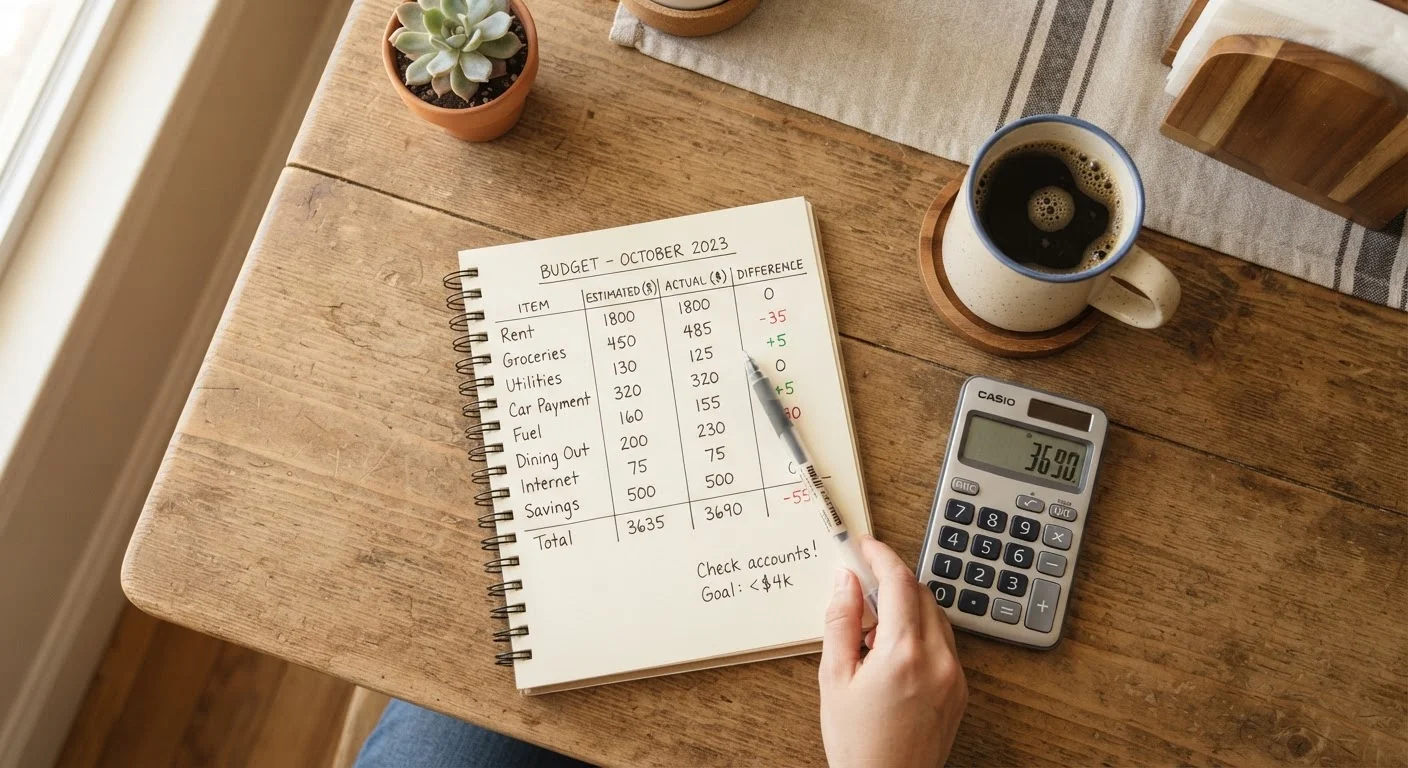
Setting spending categories based on what you wish you spent, not what you actually spend.
Why it happens: When building a first budget, most people anchor to an ideal lifestyle rather than reviewing real bank and card statements. Aspirational numbers feel motivating in the moment but quickly become impossible to hit.
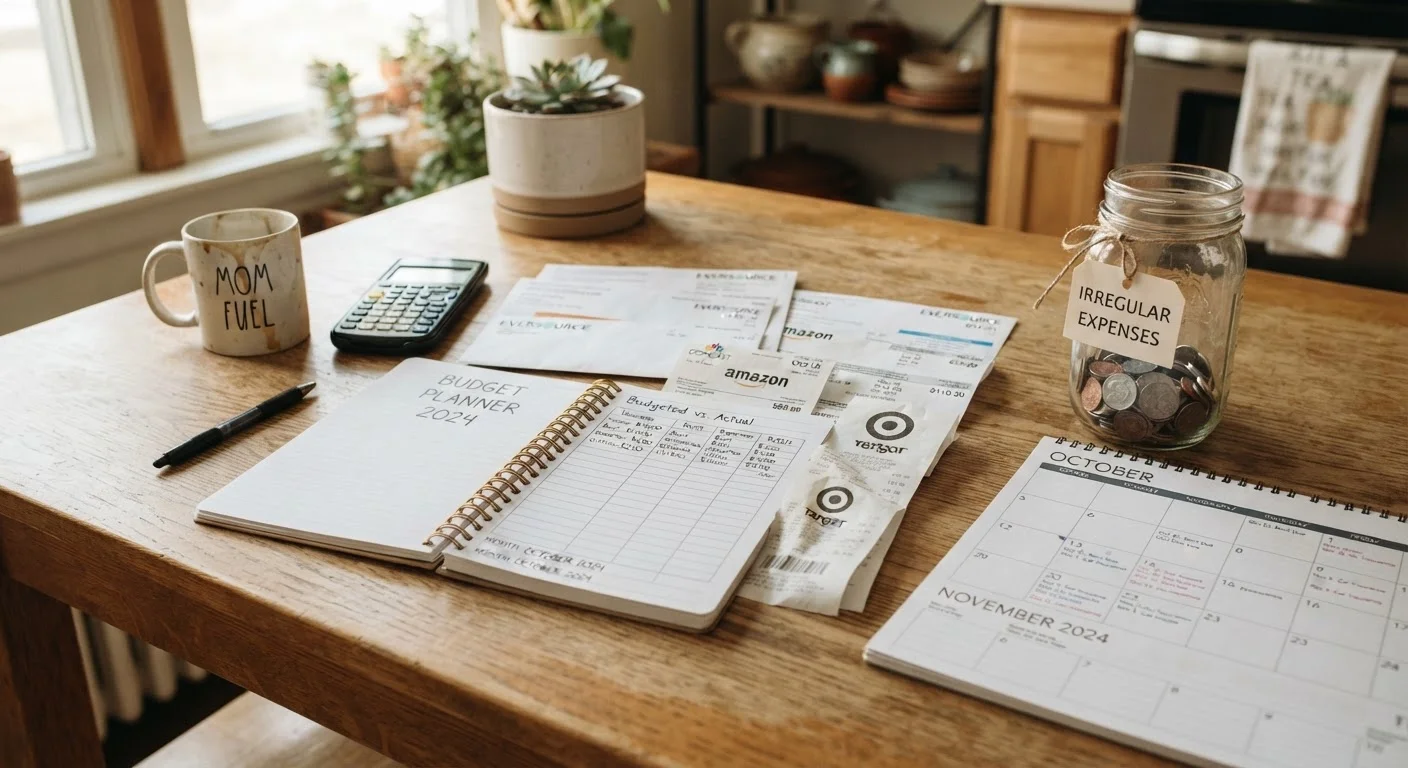
Forgetting irregular but predictable expenses — things like car registration, annual subscriptions, or back-to-school costs.
Why it happens: These expenses don't appear every month, so they're easy to leave out of a monthly budget. When they do hit, they feel like surprises even though they were entirely foreseeable.
Building a budget so restrictive that one bad week derails the whole plan.
Why it happens: New budgeters often try to cut everything at once — dining out, entertainment, clothing — motivated by a specific goal. That level of restriction is rarely sustainable and creates an all-or-nothing mindset.
Skipping a mid-month check-in and only reviewing the budget after the month ends.
Why it happens: Checking in feels tedious, and many people assume they'll catch up at month's end. But by then, overspending has already happened with no opportunity to adjust.
Counting on willpower alone rather than setting up systems that make overspending harder.
Why it happens: People assume budgeting is primarily a discipline problem, so they focus on motivation rather than structure. But willpower is a limited resource that fades under stress.
If you want a structured approach to compare different budgeting methods — such as zero-based budgeting versus the 50/30/20 rule — this comparison breaks down both frameworks so you can choose what fits your situation.
Your Budget Is a Draft, Not a Contract
Treating your first budget as a fixed rulebook is one of the fastest ways to give up on it entirely. Budgets are meant to be updated as your spending patterns become clearer. If a category is consistently off, that's useful data — revise the number, don't abandon the system.
What Sustainable Budgeting Actually Looks Like
A budget that survives month two usually has three things in common: it reflects actual spending history, it includes a buffer for life's unpredictability, and it gets reviewed before problems become permanent.
The goal isn't a perfect spreadsheet — it's a reliable system. That means revisiting your categories every few months, especially when your income or expenses change. It also means connecting your budget to something concrete, whether that's building a savings cushion or reducing what you owe.
For households ready to move from building a budget to actually keeping it, these month-to-month habits are the logical next step. Small, consistent practices — not big motivational resets — are what keep a budget functioning over time.
This article is for general informational and educational purposes only and does not constitute personalized financial advice. Consult a qualified financial professional for guidance specific to your circumstances.