

Why Maintenance Matters More for Budget Furniture
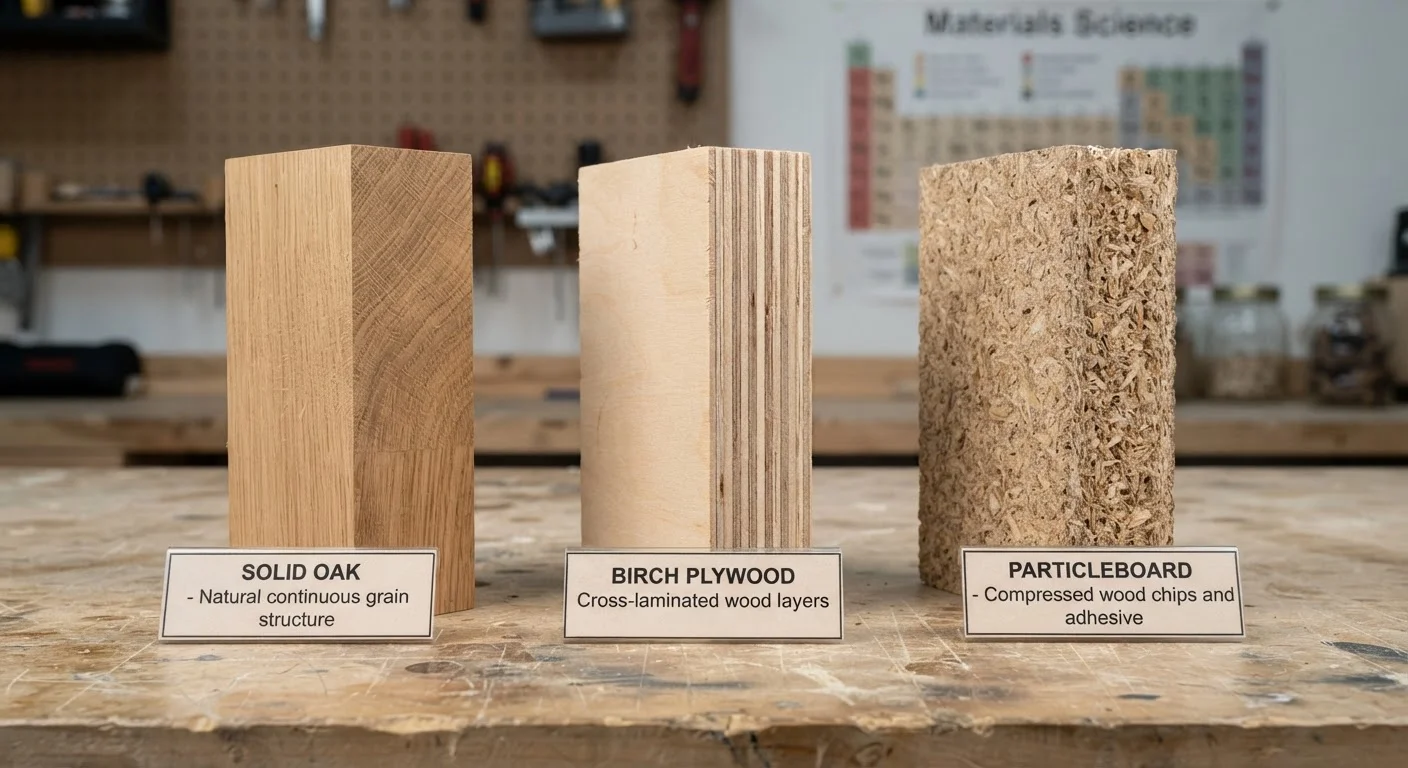
Affordable furniture often uses materials like particleboard, MDF, or laminate veneer that are more sensitive to moisture, heat, and physical stress than solid hardwood. That doesn't mean budget pieces are hopeless — it means they need consistent attention. A small water ring ignored on a particleboard dresser can cause the surface to swell and delaminate within weeks. The same damage on solid oak might sand out with minimal effort.
Understanding what your furniture is made from is the starting point for any care routine. If you haven't already, learn how different furniture materials compare so you can match your care approach to what you actually own. And if you're still in the shopping phase, read what to know before you start furnishing to make smarter upfront choices.
Core Practices That Extend Furniture Life
These habits don't require special tools or significant time — just consistency. Apply them from the day a piece enters your home.
Clean spills immediately with a dry or lightly damp cloth.
Moisture is the primary enemy of particleboard and MDF. Liquid allowed to sit penetrates the surface finish, causing swelling, warping, and delamination that cannot be reversed. Acting within minutes keeps damage superficial.
Use furniture pads under all legs and coasters under all drinks.
Felt pads prevent scratches on hard floors and reduce the rocking stress on leg joints over time. Coasters eliminate the moisture and heat that cause rings and finish damage on tabletops.
Tighten screws, bolts, and cam locks every three to six months.
Flat-pack furniture relies on mechanical fasteners that loosen with normal use. A wobbly joint puts uneven stress on the surrounding material, which accelerates cracking and splitting — especially in particleboard.
Keep furniture out of direct sunlight and away from heat vents.
UV exposure fades fabric and veneer finishes unevenly, and heat from vents dries out materials, causing warping and joint shrinkage. Repositioning a piece or using window coverings costs nothing and prevents irreversible discoloration.
Use material-appropriate cleaning products — never harsh all-purpose sprays.
Products containing bleach, ammonia, or abrasive particles strip protective coatings from wood veneer and laminate, leaving surfaces dull and vulnerable. Even well-intentioned over-cleaning with the wrong product accelerates wear.
Avoid overloading shelves and drawers beyond their rated capacity.
Particleboard shelving has real load limits. Exceeding them causes visible sagging that permanently deforms the shelf — a structural change that no maintenance can reverse.
Quick Actions You Can Take Today
You don't need a full weekend project to start protecting your furniture. A few targeted actions taken right now can prevent the most common damage patterns before they start.
The same logic applies across your household: some home items reward consistent care with years of extra service life. Furniture is no different.
Knowing When to Repair vs. Replace
Even well-maintained budget furniture reaches a point where a decision is needed. A drawer that no longer runs smoothly can often be fixed with a light sanding and a coat of paste wax on the runners — a five-minute task. A bookshelf whose laminate is peeling at every edge and whose shelves visibly sag may not be worth the effort.
A useful rule of thumb: if a repair costs less than 20–25% of what a comparable replacement would cost, and the structural integrity is sound, repair is usually the smarter financial call. Understanding the difference between cheap and genuinely affordable furniture can also help you decide when a replacement is actually an upgrade worth making.
For pieces you're invested in keeping, consider that good maintenance habits translate across categories — much like the consistent habits that extend a laptop's useful life, furniture care rewards routine over reactive fixes.