
Not Everything Wears Out at the Same Rate
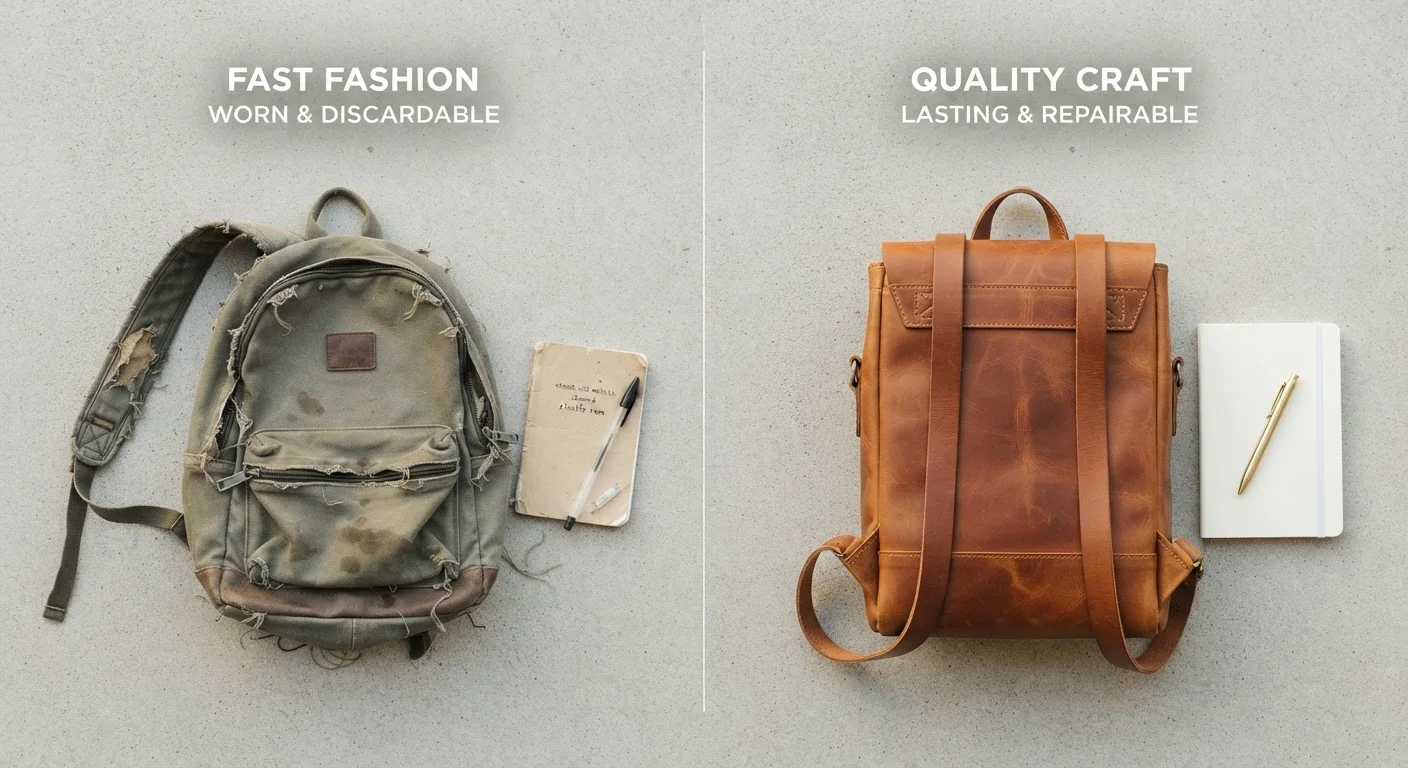
Walk through any home and you'll find items that have quietly served for fifteen years sitting next to things that needed replacing twice in the same period. The gap isn't random. Certain product categories are built around materials and mechanics that hold up under daily use, while others are inherently fragile, trend-sensitive, or designed with a shorter lifecycle in mind.
Understanding which is which — before you spend — is one of the more practical financial skills a homeowner can develop. As explored in our piece on the economics of quality, the math on cost-per-use often favors patience and selectivity over reflexive frugality. The items below are categories where durability is genuinely achievable and where putting more thought — and sometimes more money — into your choice tends to pay off.
Maintenance Extends the Lifespan of Any Item
Even the most durable household items benefit from routine attention. Cast iron needs occasional re-seasoning, wood furniture benefits from periodic conditioning, and mattresses should be rotated on a regular schedule. The gap between a long-lasting item and a short-lived one often comes down less to manufacturing quality and more to how consistently it's maintained. Building simple habits early pays dividends over years of ownership.
Household Items With a Track Record for Longevity
Cast Iron and Stainless Steel Cookware
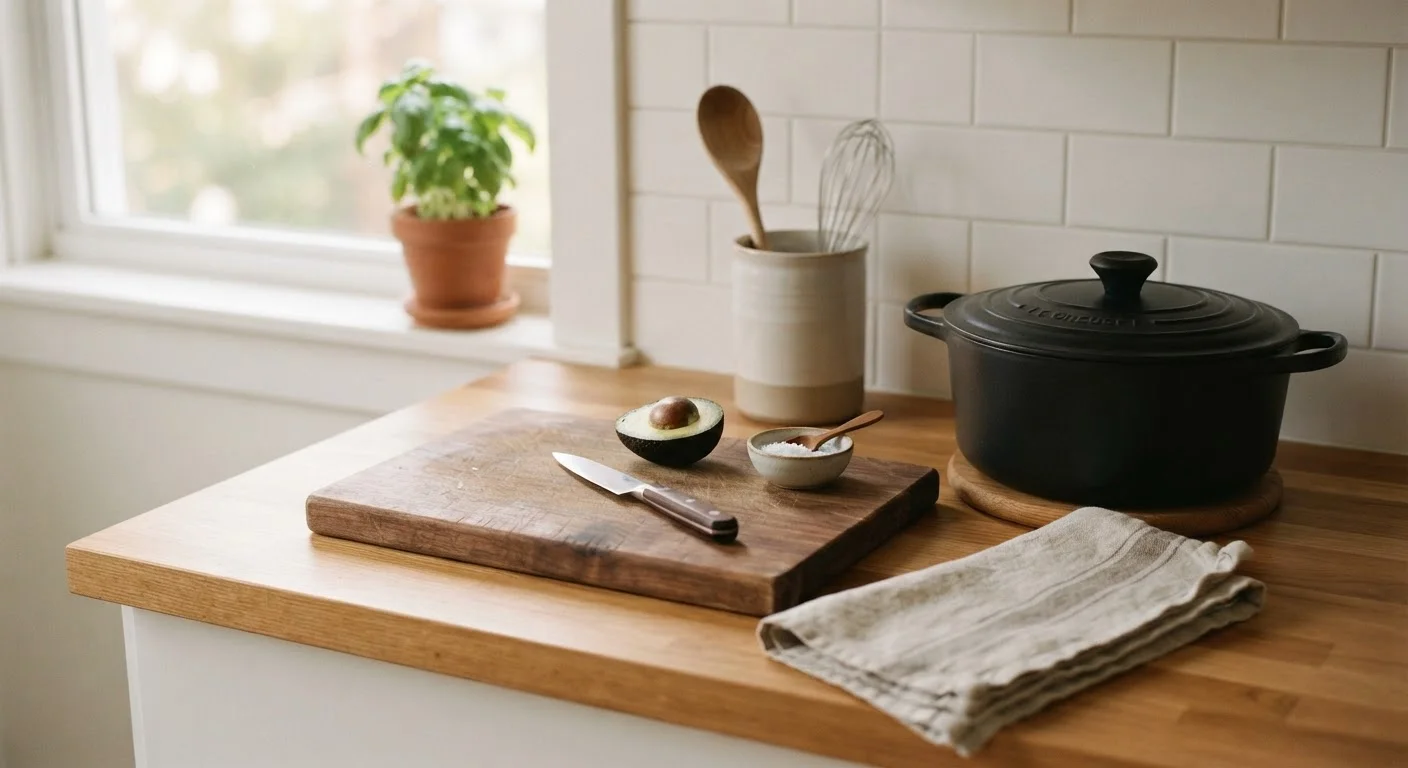
Uncoated cast iron and high-quality stainless steel cookware are among the most reliably long-lived items in any home. Unlike nonstick pans with polymer coatings that degrade within a few years of regular use, bare cast iron and fully-clad stainless steel have no fragile surface layer to wear through. Properly seasoned cast iron can actually improve with age. These pieces handle high heat, oven use, and decades of daily cooking without structural compromise. The main upkeep requirement — keeping cast iron dry and lightly oiled — is minimal.
Cast iron cookware can genuinely improve with age when maintained correctly.
Solid Wood Furniture
Furniture built from solid hardwood — as opposed to particleboard or MDF veneer — holds up structurally far longer under normal household conditions. Joints can be re-glued, surfaces can be refinished, and the underlying structure remains sound for generations if kept out of prolonged moisture exposure. The furniture on a budget category has improved considerably, making it worth inspecting wood content carefully before assuming price equals quality. A solid-wood piece at a moderate price point will typically outlast a veneer piece at any price point.
Solid hardwood furniture can be refinished and repaired — making it a genuinely multigenerational purchase.
Quality Bedding and Mattresses
A well-constructed mattress from a reputable category — innerspring with appropriate coil gauge, quality latex, or high-density foam — commonly lasts eight to twelve years or longer with proper support and rotation. Mattress longevity depends heavily on the base it rests on and consistent care. Natural-fiber sheets — particularly tightly woven cotton percale or linen — also hold up to repeated washing far better than microfiber or low-thread-count alternatives, which pill and thin quickly. Since sleep quality has downstream effects on health and energy, this is a category worth prioritizing.
A well-supported quality mattress can last a decade or more with minimal maintenance.
All-Metal Hand Tools
Hammers, screwdrivers, wrenches, and pliers made from forged or drop-forged steel with solid handles have an essentially indefinite service life under normal use. Unlike power tools — which involve motors, batteries, and electronics that degrade and become obsolete — hand tools have no moving parts to fail. A quality hammer purchased today could reasonably be passed on to the next generation. This is a category where buying once and buying well is a straightforwardly good strategy, and where the home improvement benefits compound over years of use.
Forged steel hand tools have no meaningful wear-out mechanism under normal household use.
Ceramic and Porcelain Fixtures
Bathroom fixtures — sinks, toilets, and bathtubs — made from vitreous china or porcelain-enameled cast iron routinely last thirty or more years. The material is non-porous, resistant to staining, and doesn't degrade chemically under standard cleaning products. The weak points are almost always mechanical: faucets, supply lines, and fill valves, which are separate components and relatively inexpensive to replace. If you're renovating, investing in ceramic or porcelain fixtures rather than composite alternatives is generally worthwhile, since replacement involves significant labor cost regardless of the fixture's price.
Porcelain fixtures can last thirty-plus years — it's the hardware components, not the fixture, that typically fail first.
Wool and Down Textiles
Wool blankets, down comforters, and natural-fill pillows maintained with appropriate washing intervals and proper storage outlast synthetic alternatives substantially. High-fill-power down retains loft and insulating ability for ten to fifteen years or more. Wool is naturally resilient, moisture-wicking, and resistant to compression. The tradeoff is more careful laundering — most of these items require gentle cycles, air drying, or professional cleaning — but the lifecycle advantage is real. Storing them in breathable bags rather than compressed plastic keeps fill materials from clumping or degrading between seasonal uses.
High-fill-power down can maintain its loft and warmth for fifteen years or more with proper care.
Where to Draw the Line
Longevity isn't universal. Electronics, fast-fashion home décor, and plastic storage products rarely justify premium spending on durability grounds — technology changes, styles shift, and the materials themselves often degrade regardless of how well you maintain them. For those categories, a more budget-conscious approach is sensible. See our guide to stocking a home on a tight budget for a framework on where to sequence spending when money is limited.
The distinction that matters most is whether an item's failure mode is driven by material wear — which quality materials resist — or by obsolescence and design drift, which no amount of quality construction can prevent. If you're unsure whether a given purchase falls into a durable category, our overview on what makes a household item truly essential offers a useful critical lens. And if you already own affordable pieces, consistent care goes a long way — as covered in our furniture care guide for budget pieces.