
The Core Idea: Cost-Per-Use Over Sticker Price
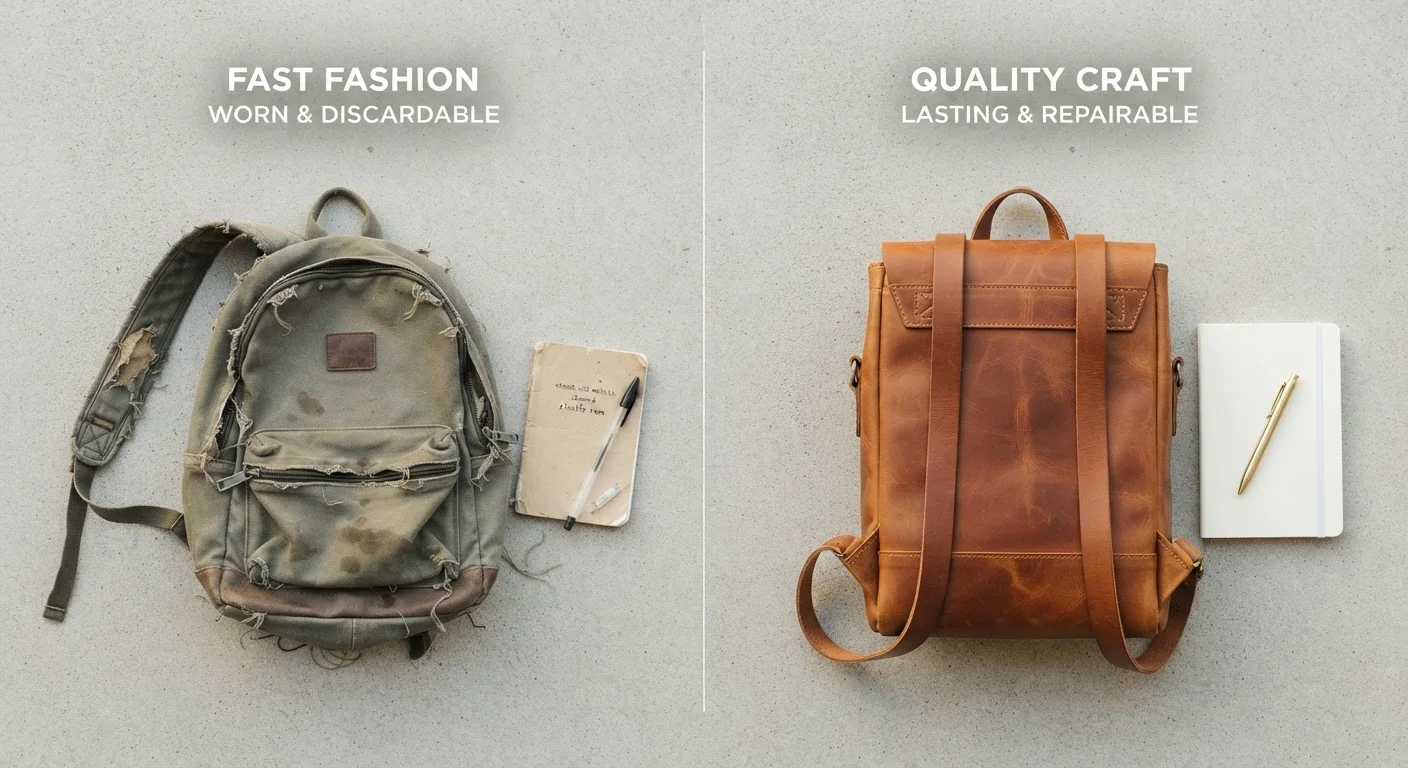
When you divide what you paid by how many times you use something, you get a more honest picture of what it actually costs you. A $150 pair of work boots worn five days a week for four years costs you less per wearing than a $40 pair that falls apart in eight months. That's the whole logic of quality spending in one calculation.
This framework — often called cost-per-use — is useful precisely because our brains are wired to react to the immediate number on the price tag, not the long-term math. Retailers know this, which is part of why understanding how pricing psychology works is worth your time before making any significant purchase.
The calculation is straightforward: divide the purchase price by the estimated number of uses over the item's realistic lifespan. Compare that figure across options. Lower cost-per-use wins — regardless of which item had the higher sticker price.
Where the Argument Holds Up
Lower cost-per-use over the item's lifespan
A more durable item used daily for several years typically costs less per use than a cheaper version replaced multiple times. The math favors quality when frequency and lifespan are both high.
Fewer replacement cycles mean less total hassle
Beyond the money, replacing a failed item takes time, effort, and decision fatigue. Buying something that simply keeps working is a genuine quality-of-life benefit.
Reduced downstream risk from product failure
In some categories — electrical, structural, safety-adjacent — a cheap item that fails can damage other property or create safety concerns, making the cost of failure far exceed the original savings.
Better materials often perform meaningfully better
In categories like cookware, footwear, and hand tools, material quality has direct functional benefits — heat distribution, support, grip — that a cheaper version may genuinely lack.
The case for quality spending is strongest in a few specific categories:
- Daily-use items that endure physical stress — footwear, cookware, mattresses, and hand tools all fall into this zone. Replacing a cheap version repeatedly adds up fast.
- Home essentials with long expected lifespans — some household items are genuinely built to last a decade or more, and skimping in those categories often means paying twice.
- Items where failure carries a cost beyond the item itself — a cheap surge protector that fries your electronics, or a low-quality tire that fails. Here, the downstream cost dwarfs the original savings.
Where the Argument Breaks Down
Higher upfront cost strains tight budgets
Even when the long-term math favors quality, a larger purchase requires cash on hand today. For households managing limited liquidity, that immediate cost can outweigh future savings.
Quality claims are often difficult to verify independently
Marketing language like 'premium' or 'professional grade' is not regulated. Without third-party testing data or long-term reviews, it's hard to know whether extra cost reflects genuine durability.
Usage assumptions may not hold in practice
The cost-per-use calculation depends on realistic estimates of how often and how long you'll use something. If usage drops — due to lifestyle changes, moving, or shifting needs — the math shifts too.
Technology and style categories depreciate fast
In fast-moving product categories, a superior build may be irrelevant before it pays off. Spending a premium on electronics or trend-sensitive items rarely yields the expected long-term return.
Can rationalize unnecessary spending
The 'investment in quality' framing is easy to misapply. Without a clear cost-per-use calculation, it can become a justification for spending more simply because it feels responsible.
The 'buy quality' logic has real limits. Applying it indiscriminately is its own financial trap. A few situations where it typically doesn't hold:
- Low-frequency use — If you'll use something rarely, even a cheap version may outlast your need for it. Spending more here is just spending more.
- Fast-changing categories — Technology depreciates quickly. A premium device may be obsolete before its superior build quality pays off.
- When budget pressure is real — Stretching too thin to buy quality in one area can create cash-flow problems elsewhere. This is also where debt management priorities come into play.
How to Evaluate a Specific Purchase
A Quick Note on Warranty Terms
Warranty length is an imperfect but useful signal of manufacturer confidence in their product. A limited lifetime warranty and a one-year warranty reflect different assumptions about how long an item is expected to last. Read the fine print — some warranties cover defects only, not normal wear — but as a rough filter, longer coverage is generally worth factoring into your comparison.
Before committing to a higher-priced item, run through a short set of practical questions:
- How often will I actually use this? Daily use justifies more scrutiny of durability. Occasional use rarely does.
- What's the realistic lifespan difference? Look for independent reviews, material specifications, or warranty terms — not just marketing copy.
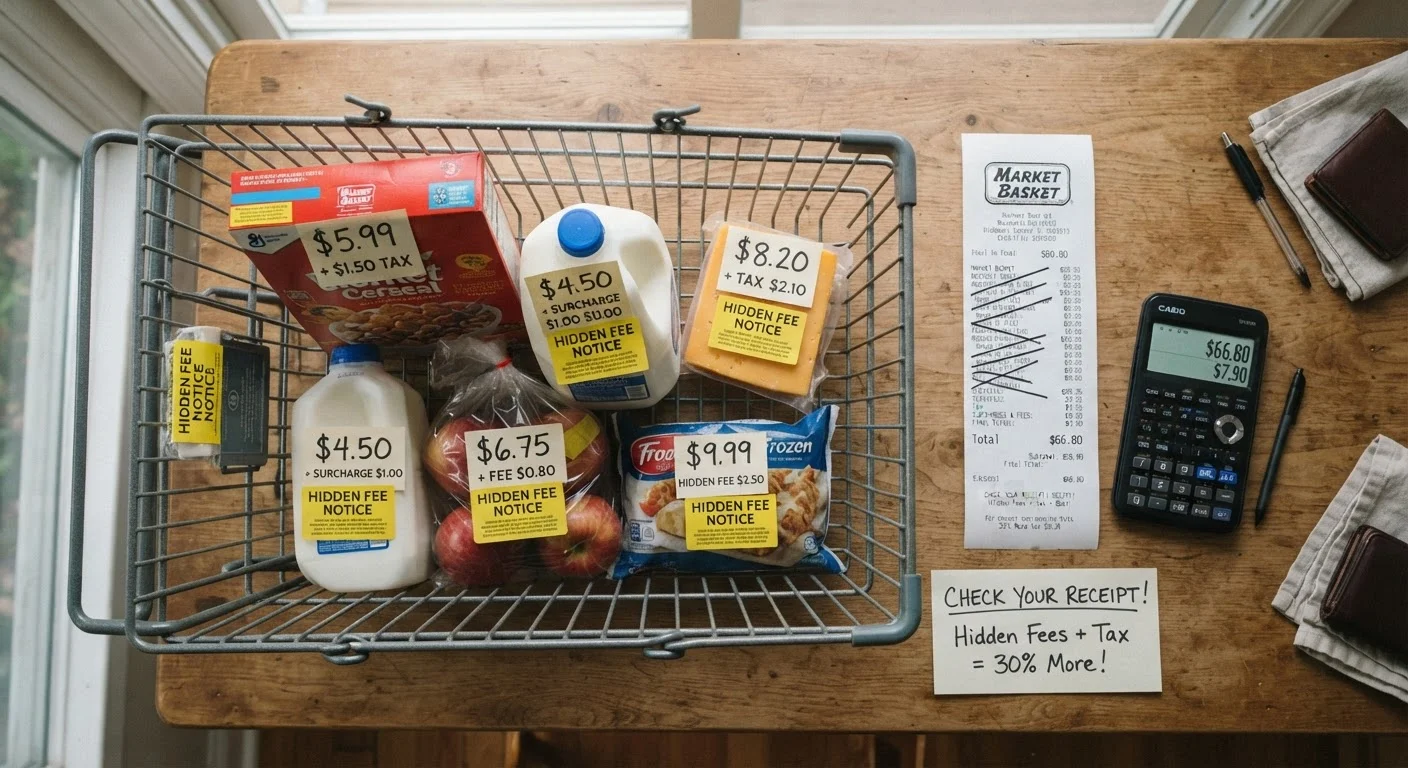
- What does replacement actually cost? Factor in your time, shipping, and installation, not just the item price. Our guide on hidden costs that flip the math on apparent bargains covers this in detail.
- Can I verify the quality claim? A high price tag is not evidence of high quality. Seek third-party testing data or long-term owner feedback.
This process takes five minutes and can save you from both overpaying for unnecessary quality and underpaying in ways that cost more later. It also helps separate genuinely durable goods from products that just look premium — a distinction worth understanding alongside common spending myths that sound logical but aren't.
The Bigger Picture: Selective, Not Universal
Treating 'buy quality' as a blanket rule is as flawed as always chasing the lowest price. The goal is a deliberate, category-by-category decision. Some purchases reward patience and higher upfront investment. Others don't — and recognizing the difference is what separates smart spending from rationalized splurging.
Think of it as a portfolio approach to your budget: identify the five or six categories where quality genuinely pays off for your life and usage patterns, and apply tighter cost discipline everywhere else. This is the underlying theme explored in our look at spending tradeoffs worth making — and ones that usually backfire.
The point isn't to justify spending more. It's to make sure that when you do, the math actually backs it up.
This article provides general financial information for educational purposes only and does not constitute personalized financial advice. Consult a qualified financial professional for guidance specific to your situation.