

Why Not All Cost-Cutting Is Equal
Cutting spending feels straightforward — spend less, save more. But the real-world results are messier. Some cuts genuinely free up cash without changing much. Others create a domino effect: a skipped oil change becomes an engine repair; a cheap mattress becomes a chiropractor bill; a dropped gym membership becomes a harder time managing stress.
The difference between a smart tradeoff and a costly one usually comes down to a single question: Does this cut eliminate real value, or just a price premium? If you're mostly paying for a brand name, cutting is easy. If you're paying for durability, reliability, or health protection, cutting is riskier than it looks.
Understanding this distinction — before you slash a budget line — is what separates sustainable frugality from the kind that collapses under pressure. See also the Budgeting Basics hub if you're building a monthly plan from scratch.
Tradeoffs That Tend to Pay Off
These are the areas where cheaper options typically deliver comparable results:
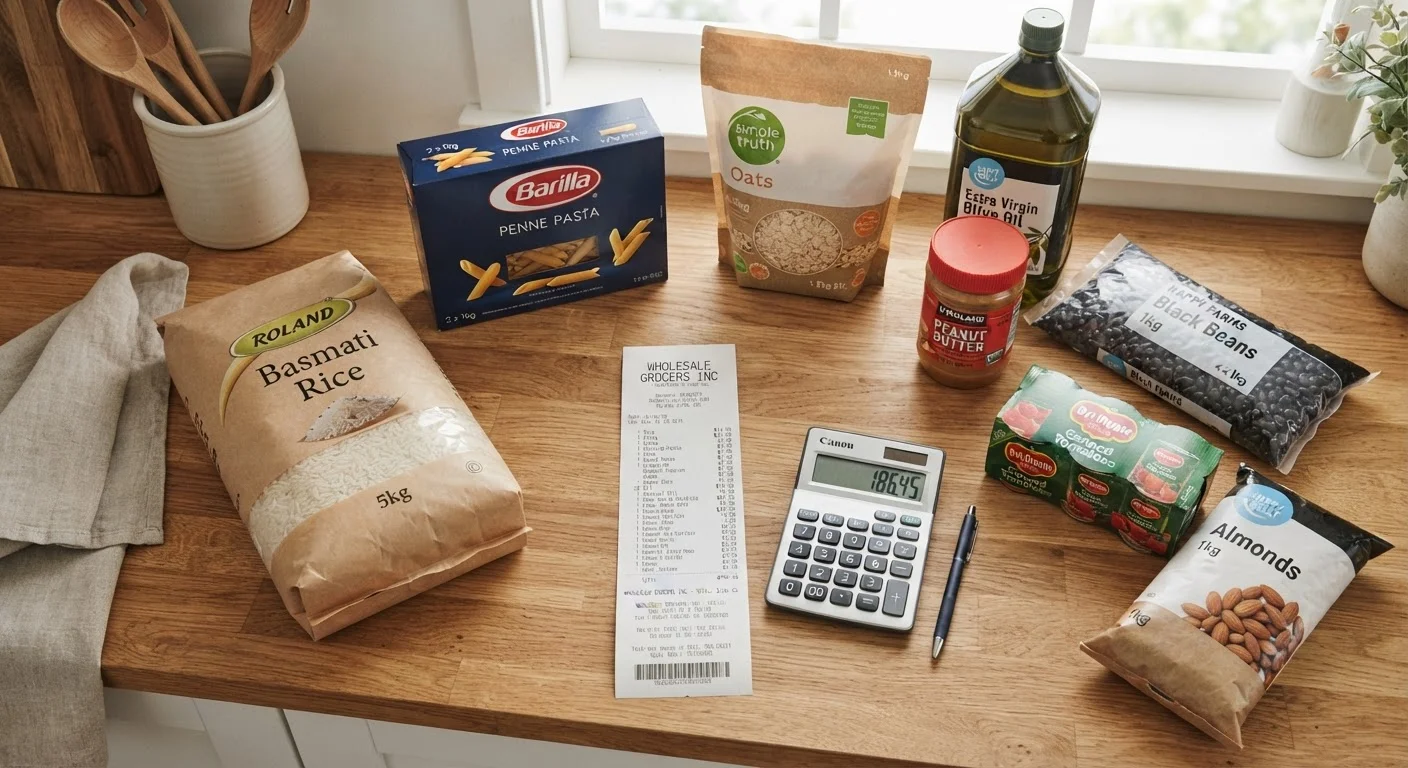
- Generic and store-brand groceries. For staple ingredients — flour, canned goods, dairy, spices — the difference between a name brand and a store brand is usually packaging and marketing, not meaningful quality. Consumer research consistently finds that private-label grocery products perform similarly to their branded counterparts in taste tests.
- Streaming and subscription stacking. Most households subscribe to more streaming services than they actively watch. Rotating subscriptions (subscribing to one, canceling, picking up another) cuts costs without eliminating entertainment access.
- Convenience services you rarely use. If you use a meal kit three times a month but pay for weekly delivery, you're funding unused convenience. Switching to on-demand or cooking from staples yields savings with little lifestyle impact.
- Brand premiums on commodities. Gasoline, household cleaning products, and many over-the-counter medications have generic equivalents with identical active ingredients. Paying for the brand is often paying for advertising, not performance.
These tradeoffs work because the value you're getting doesn't drop proportionally to the price. For a closer look at how common spending rules don't always hold up, it's worth examining your assumptions category by category.
| Spending Category | Usually Safe to Cut | Usually Worth Protecting | |
|---|---|---|---|
| Groceries | Store-brand staples, generics | Fresh produce quality, food safety items | |
| Entertainment | Unused subscriptions, premium cable tiers | Social activities tied to well-being | |
| Vehicle | Car washes, premium fuel (if not required) | Routine maintenance, safety repairs | |
| Health | Branded OTC meds with generic equivalents | Preventive care, dental cleanings | |
| Home goods | Decorative items, seasonal products | Daily-use furniture, appliances | |
| Convenience services | Meal kits, delivery fees used rarely | Time-saving services with real daily impact |
Tradeoffs That Often Backfire
These are the cuts that feel smart in the short run but frequently generate larger costs later:
- Deferred vehicle maintenance. Skipping routine maintenance — oil changes, brake inspections, tire rotations — is a well-documented path to much larger repair bills. A $75 oil change delayed long enough can become a multi-thousand-dollar engine problem.
- Cheap footwear and furniture used daily. Items that bear physical load every day — shoes, mattresses, desk chairs — wear out faster when they're low quality, and poor ergonomics can translate to real health costs over time. The economics of quality often favor spending more here, not less.
- Skipping preventive health care. Routine checkups and dental cleanings are substantially cheaper than treating conditions that go undetected. This is general information — not medical advice — but the financial pattern is consistent: prevention costs less than treatment.
- Ultra-cheap tools or appliances for heavy use. A low-cost appliance used daily often fails faster and lacks repair support. When the cost-per-use is calculated across its actual lifespan, it sometimes exceeds the price of a mid-range option. Check hidden costs that flip the math on apparent bargains before committing.
This article is for general informational purposes only and does not constitute medical or financial advice. Consult a qualified professional for decisions specific to your circumstances.
A Simple Framework Before Making Any Cut
Before reducing spending in any category, run it through three quick questions:
- What happens if this fails or goes wrong? If the downside is minor inconvenience, the cut is probably low-risk. If the downside is a repair bill, a health issue, or a replacement purchase, it's higher risk.
- Is this a fixed cost or a variable one? Cutting a fixed monthly subscription is straightforward. Cutting a variable cost like maintenance spending can feel like saving, while actually just shifting the expense forward.
- Am I cutting real value or a premium? Generic products with the same specs as branded ones are candidates for cutting. Items where quality is the core function — safety equipment, daily-use tools, medical care — are not.
This framework won't catch every edge case, but it stops the most common mistake: assuming that any cut is automatically a gain. The wants vs. needs framework pairs well here for sorting your spending categories before applying cuts. And if you're making changes as part of a tighter budget plan, understanding what strict budgeting actually costs can help you set realistic expectations.