
What Actually Separates These Two Platforms
Android and iOS are the two operating systems (OS) that power virtually every smartphone sold in the United States today. An operating system is the software that manages everything your phone does — from displaying apps to handling Wi-Fi connections. Understanding the structural differences between these two systems helps you predict how each will feel in daily use, not just on a spec sheet.
Android is developed by Google and licensed to dozens of hardware manufacturers. That means one Android phone can look and behave quite differently from another, depending on who made it and what software customizations they added. iOS, developed by Apple, runs exclusively on Apple's own iPhone hardware. That closed model gives Apple tighter control over how software and hardware interact.
If you're weighing this decision for the first time, our guide for first-time smartphone buyers covers the foundational concepts worth understanding before diving into platform specifics.
Customization, Updates, and the App Ecosystem
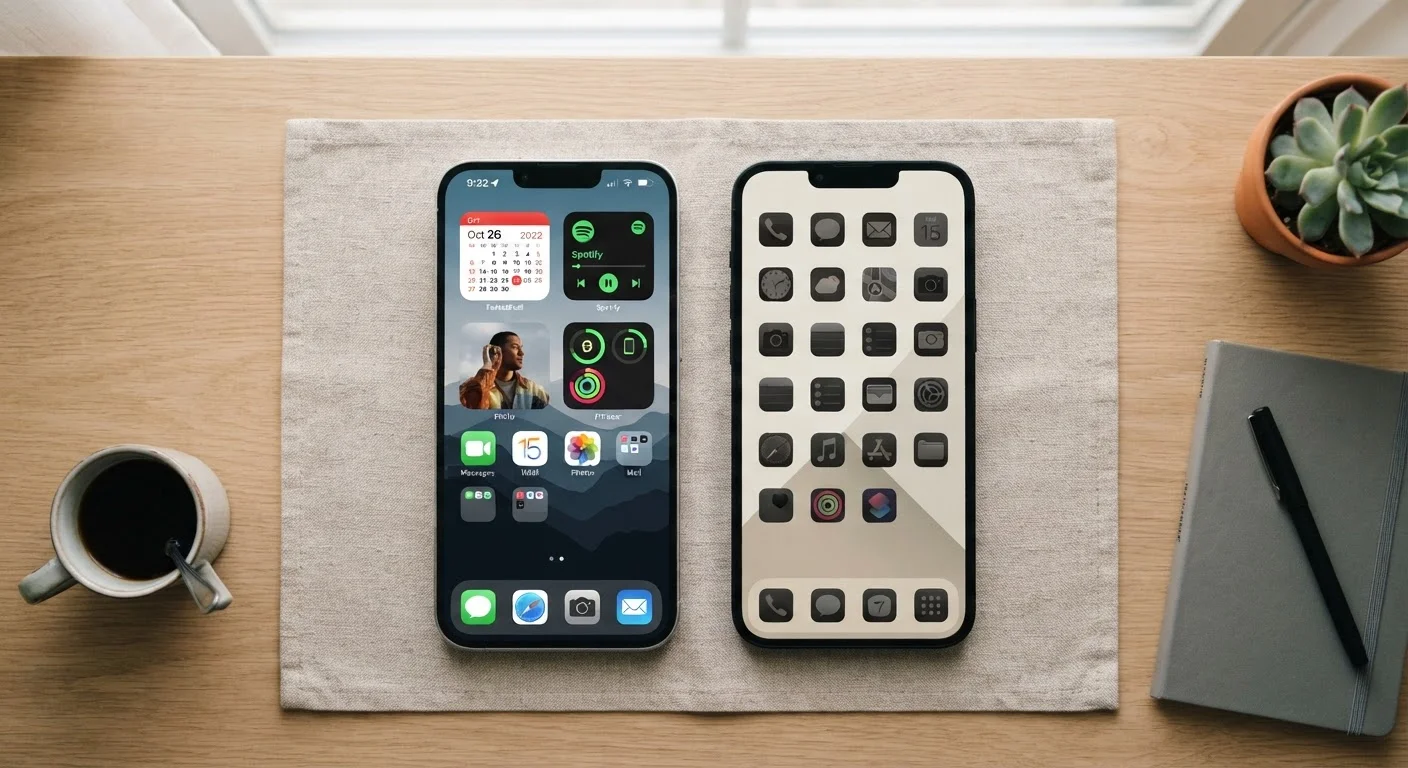
One of Android's most practical advantages is its flexibility. You can rearrange your home screen freely, place widgets that display live information (like weather or calendar events), change your default browser or keyboard app, and — on some devices — install apps from sources outside the official Google Play Store. iOS keeps things more structured: apps live in a grid, and Apple's App Store is the only officially supported way to install software on a standard iPhone.
Software update support is a meaningful long-term consideration. Apple releases major iOS updates annually and has supported some devices for six or more years. Android's update story is more fragmented — Google's own Pixel phones receive guaranteed updates for several years, but devices from other manufacturers may receive fewer years of support. This directly affects security: older software that no longer receives patches is more vulnerable.
| Criterion | Android | iOS |
|---|---|---|
| Hardware variety | Many manufacturers, wide price range | Apple only, limited models |
| Home screen customization | Extensive — widgets, launchers, layout | More limited; improved but still structured |
| Software update length | Varies by manufacturer (2–7 years) | Typically 6+ years for supported devices |
| App installation sources | Play Store plus third-party sources | App Store only (standard use) |
| Ecosystem integration | Strong with Google services | Seamless across Apple devices |
| Default privacy controls | Per-app permissions, privacy dashboard | Per-app permissions, App Tracking Transparency |
| App availability | Broad; occasional delayed launches | Broad; often receives new apps first |
The app ecosystems on both platforms are mature and comprehensive. Most major apps are available on both. However, some developers — particularly in creative or productivity niches — still launch on iOS first, meaning Android users occasionally wait weeks or months for the same app. Meanwhile, certain apps built specifically for Google's services may integrate more naturally on Android.
Before upgrading your current device, it's worth asking whether the platform itself is driving the desire to switch. Our upgrade decision checklist can help you evaluate that honestly.
Privacy, Data, and What Switching Actually Costs You
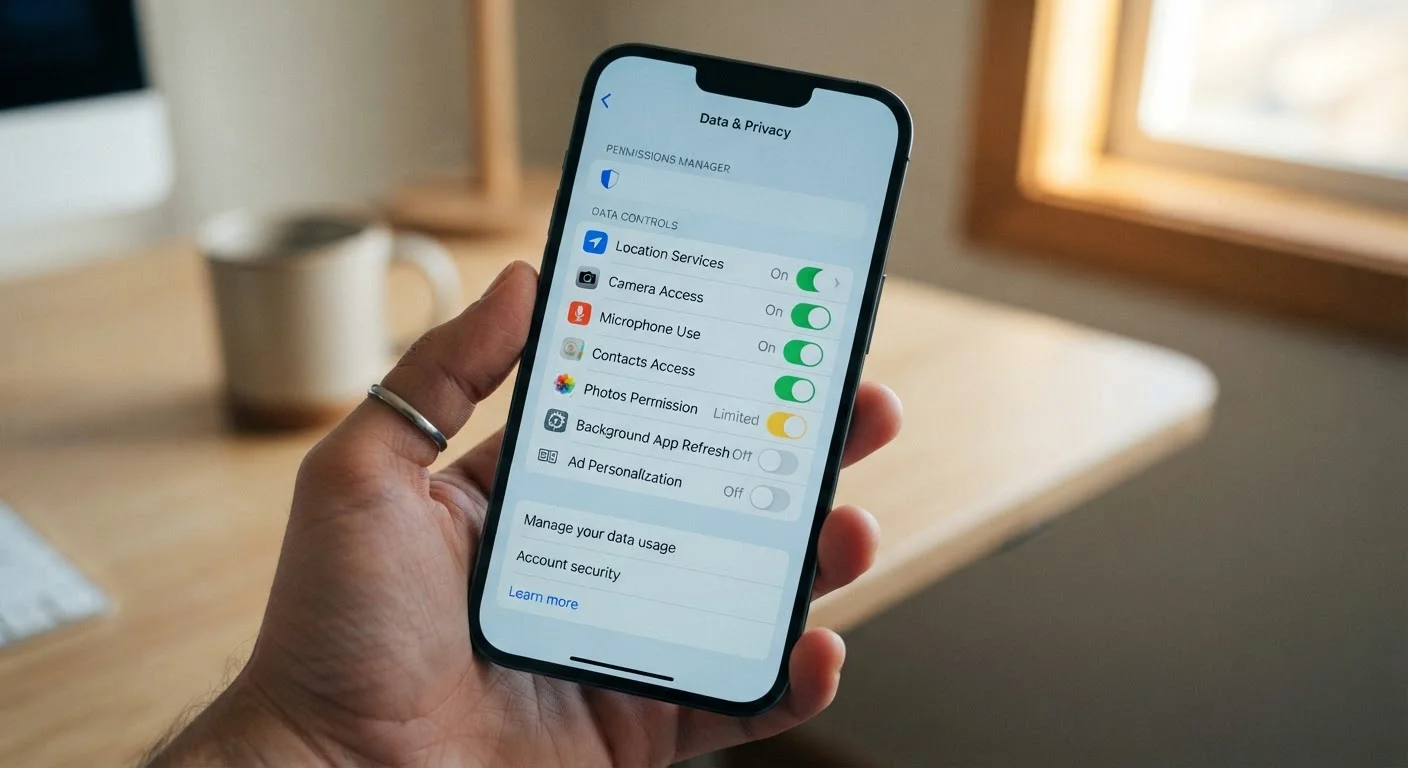
Both platforms have made meaningful strides in privacy controls. Android and iOS each offer dashboards that show which apps have accessed your location, camera, or microphone. Both allow you to grant or deny permissions on a per-app basis. The philosophical difference is in their business models: Google's revenue relies substantially on advertising informed by data, while Apple's primary revenue comes from hardware and services — a distinction that shapes, though does not fully determine, each platform's privacy posture.
For a deeper look at what your device collects regardless of platform, see our article on smartphone data collection and how to limit it.
~72%
Global smartphone OS market share held by Android
According to Statcounter data, Android has consistently held the majority of global smartphone market share, though iOS dominates in the United States.
6+ years
Typical iOS major update support window
Apple has publicly committed to extended software support for recent iPhone models, with some older devices receiving updates well beyond industry norms.
2–7 years
Android update support range across manufacturers
Guaranteed update commitments vary significantly; Google's own Pixel line now promises up to seven years, while other Android devices may receive fewer.
Switching platforms carries real transition costs. Your purchased apps generally do not transfer between ecosystems — an Android app purchase doesn't become an iOS purchase, and vice versa. Photos, contacts, and documents can usually be migrated, but the process requires time and occasionally some technical comfort. Accessories like cases and chargers may also need replacing, though the shift to USB-C across many devices has eased some of that friction.
If you're also weighing whether a tablet might suit your needs better than a phone upgrade, our tablet versus laptop guide walks through those trade-offs in detail.