
Why the Minimum Payment Feels Like Enough
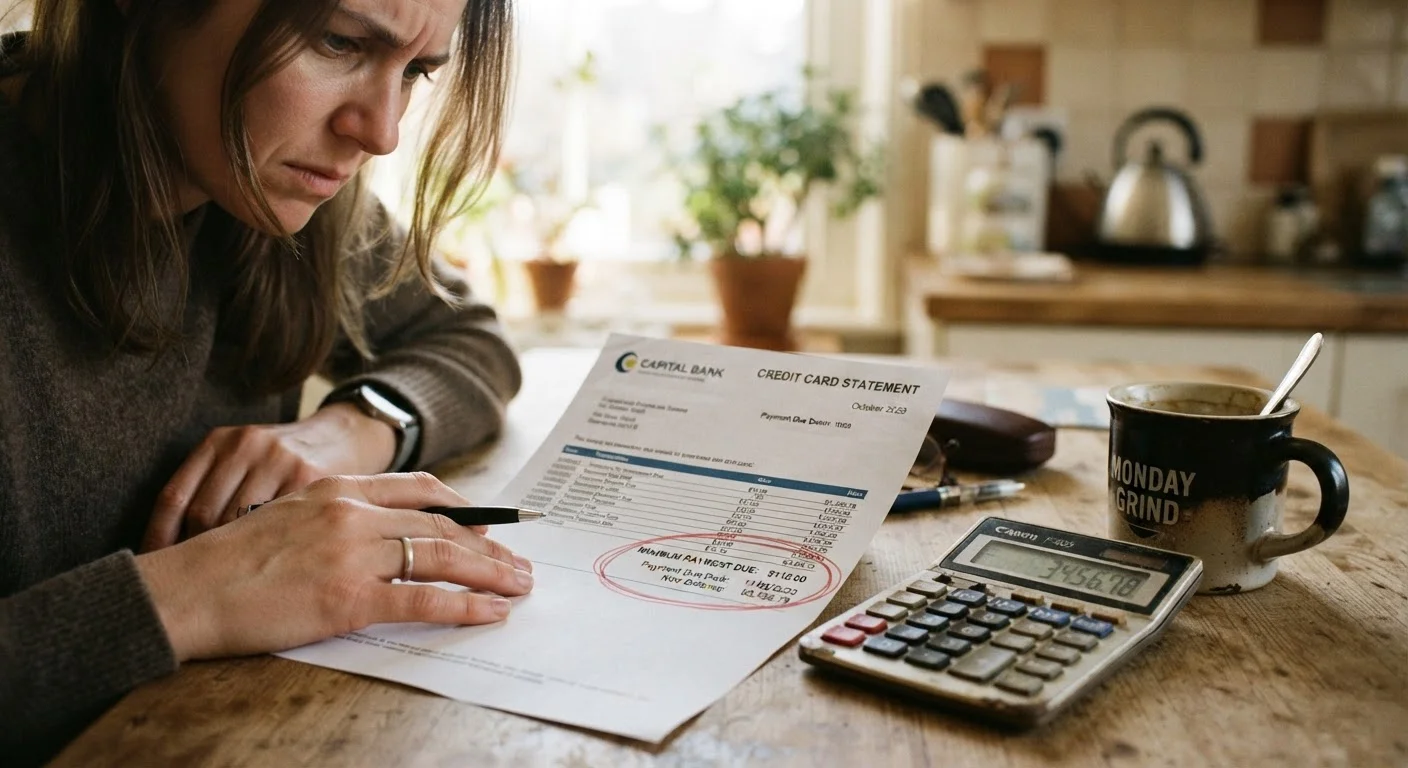
When money is tight, the minimum payment on a credit card or loan can feel like a lifeline. You're meeting your obligation, avoiding a late fee, and keeping your account in good standing. The statement even frames it helpfully — here's the amount due, here's the minimum. It feels like a responsible choice.
But the minimum payment is designed by lenders to keep a balance alive, not to help you eliminate it quickly. It covers the interest charged for that billing cycle plus a small slice of your principal — the actual amount you borrowed. The result is that your balance shrinks very slowly while interest continues to compound on whatever remains.
This isn't a trap in a sinister sense; it's simply how revolving credit works. Understanding the mechanics removes the mystery and puts you back in the driver's seat.
The Math That Makes Minimum Payments Costly
Here's a simplified example to make the numbers concrete. Suppose you carry a $3,000 balance on a card charging 20% annual percentage rate (APR). If your minimum payment is calculated at 2% of the balance, your first payment would be $60. Of that $60, roughly $50 goes toward interest and only $10 reduces your actual debt.
As your balance slowly falls, so does your minimum payment — which means the payoff process drags on even longer. Depending on the exact terms, paying only the minimum on that $3,000 balance could take more than 15 years and cost well over $3,000 in interest alone — more than the original balance.
~15+ years
Estimated payoff time on $3,000 at 20% APR (minimum payments only)
Illustrative calculation based on a 2% declining minimum payment structure at 20% APR — actual results vary by lender terms.
$3,000+
Potential interest paid on a $3,000 balance
Under a minimum-payment-only scenario at 20% APR, total interest paid can exceed the original balance borrowed.
~$50
Of a $60 minimum that goes to interest, not principal
Based on a 20% APR example; the exact split varies by balance, rate, and how your lender calculates the minimum.
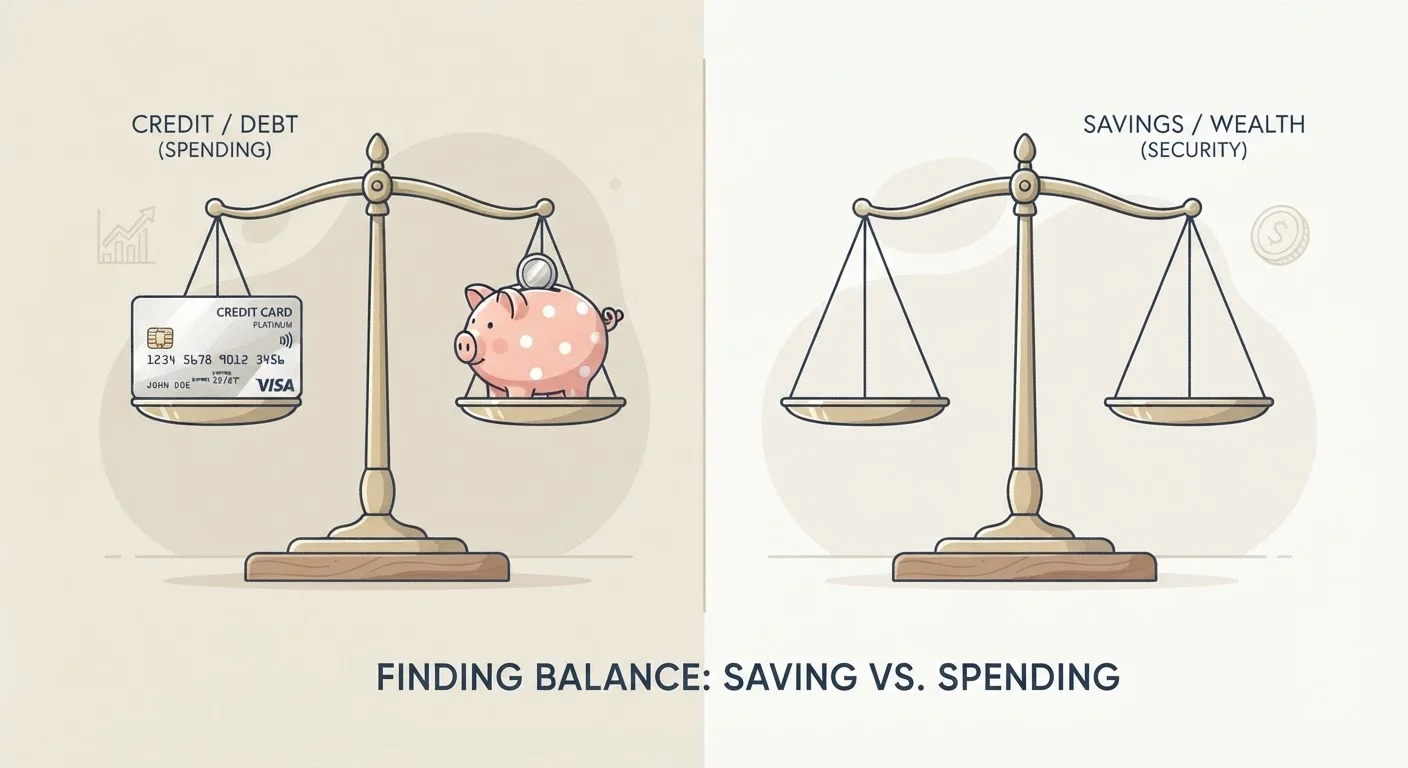
That's the core problem: minimum payments feel safe in the moment but are expensive over time. The interest you're paying month after month is money that could go toward savings, an emergency fund, or other financial goals.
For a deeper look at how interest rates on debt and savings interact, see our article on high-interest debt vs. low-yield savings.
Balancing Debt Repayment With an Emergency Fund
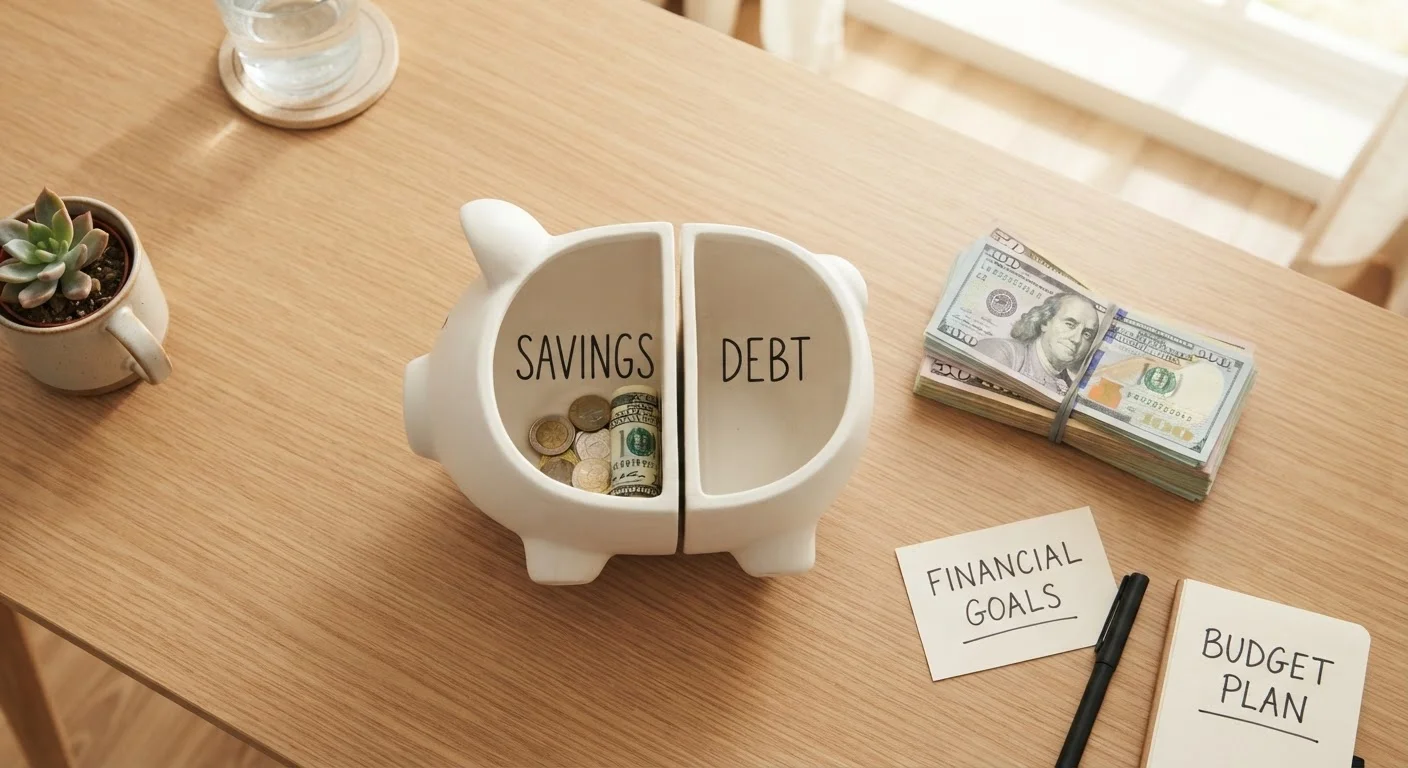
One reason people stick to minimums is that they're trying to hold onto every dollar in case something goes wrong. That instinct isn't wrong — financial emergencies are real, and going further into debt to cover them is exactly what you want to avoid.
The practical approach most personal finance frameworks recommend is to build a small cash cushion first — something in the range of a few hundred to a thousand dollars — before pushing extra money toward debt. This buffer means a car repair or a medical copay doesn't send you back to the credit card.
Once that starter emergency fund is in place, the math generally favors directing extra dollars toward your highest-interest debt rather than letting them sit in a low-yield savings account. Our guide on splitting your paycheck between saving and debt walks through how to divide your income with both goals in mind.
Practical Ways to Pay More Than the Minimum
You don't have to double your payment overnight to make a real difference. Small, consistent increases add up faster than most people expect.
- Round up your payment. If your minimum is $47, pay $70 or $80. The extra amount goes directly to principal.
- Apply windfalls. Tax refunds, bonuses, or even a birthday check can make a meaningful one-time dent.
- Free up a recurring expense. Canceling one subscription or cutting back on one spending category can generate $20–$40 a month to redirect toward debt.
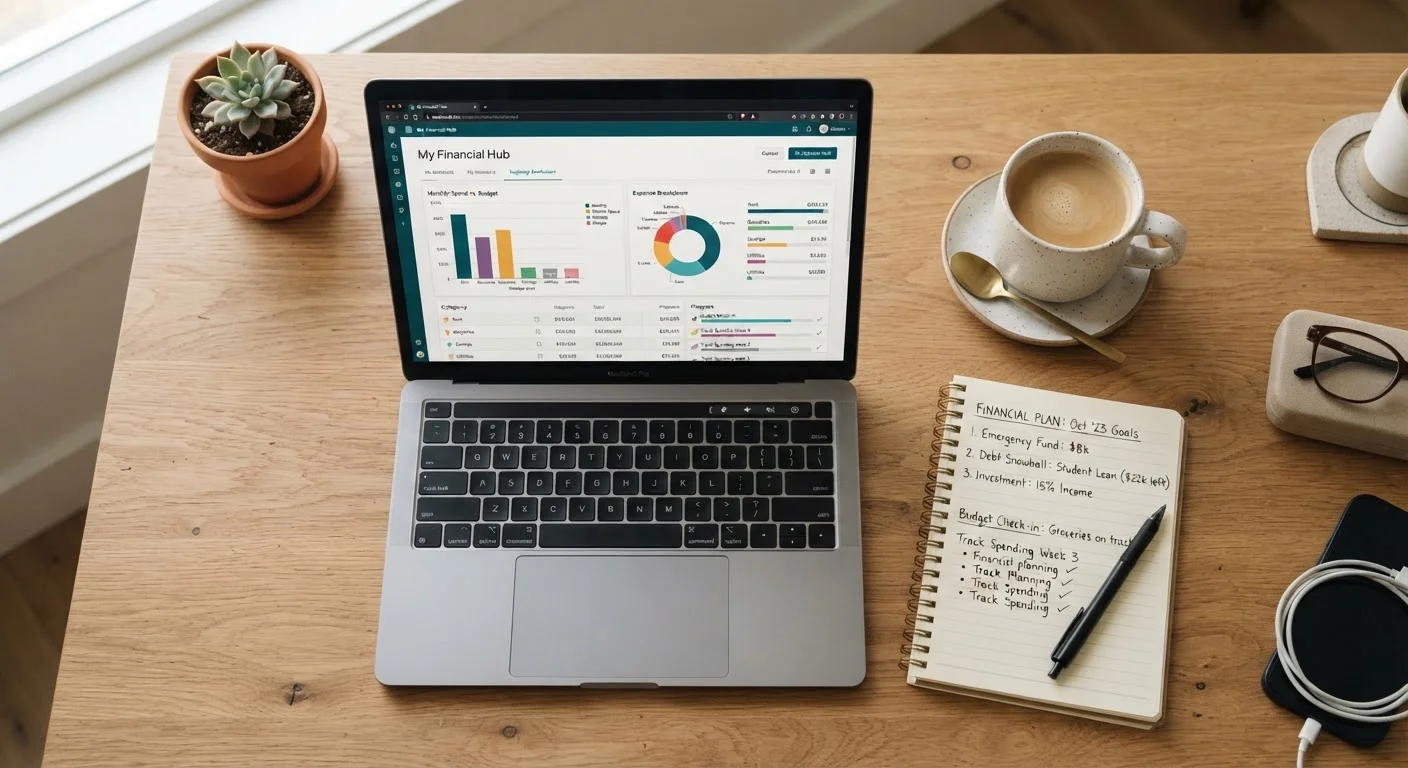
- Automate a fixed payment. Rather than paying whatever the current minimum happens to be, set a fixed automatic payment slightly above it. This prevents the amount from declining as your balance falls. See our piece on automating your debt payments and savings transfers for a step-by-step approach.
Once you have a handle on paying above the minimum, you're ready to think about which debt to tackle first. Our article on the debt avalanche vs. debt snowball compares two widely used methods to help you choose an approach that fits your habits.
If you're not sure whether your current plan is working, it may be worth reviewing signs your debt repayment plan isn't working for common signals that it's time to reconsider your approach.
This article is for general informational and educational purposes only and does not constitute personalized financial advice. For guidance tailored to your specific financial situation, consult a licensed financial professional.