

What an Emergency Fund Actually Is
An emergency fund is a dedicated pool of money — kept separate from your checking account — that exists for one purpose: handling financial surprises without borrowing. Think of it as a shock absorber between your life and your debt.
The word "emergency" matters here. This money is not for irregular-but-expected expenses like annual insurance premiums or holiday gifts. It's for genuinely unforeseen events: a broken furnace in January, an emergency vet bill, or losing your job. If you can predict it and plan for it, it belongs in your regular budget — not your emergency fund.
If you're new to how saving and debt repayment fit together, this introduction to debt and savings basics covers the core concepts in plain terms.
Why It Comes Before Extra Debt Payments
When you're carrying debt, every extra dollar feels like it should go toward paying that balance down. That instinct makes sense — interest costs are real and they add up. But attacking debt aggressively without any savings cushion creates a specific problem: the next unexpected expense goes straight onto a credit card.
Here's the pattern that plays out: you make a large extra payment toward your credit card, your transmission goes out two weeks later, and you put the repair bill right back on the card. You've essentially borrowed money, paid interest, and ended up in the same place — or worse.
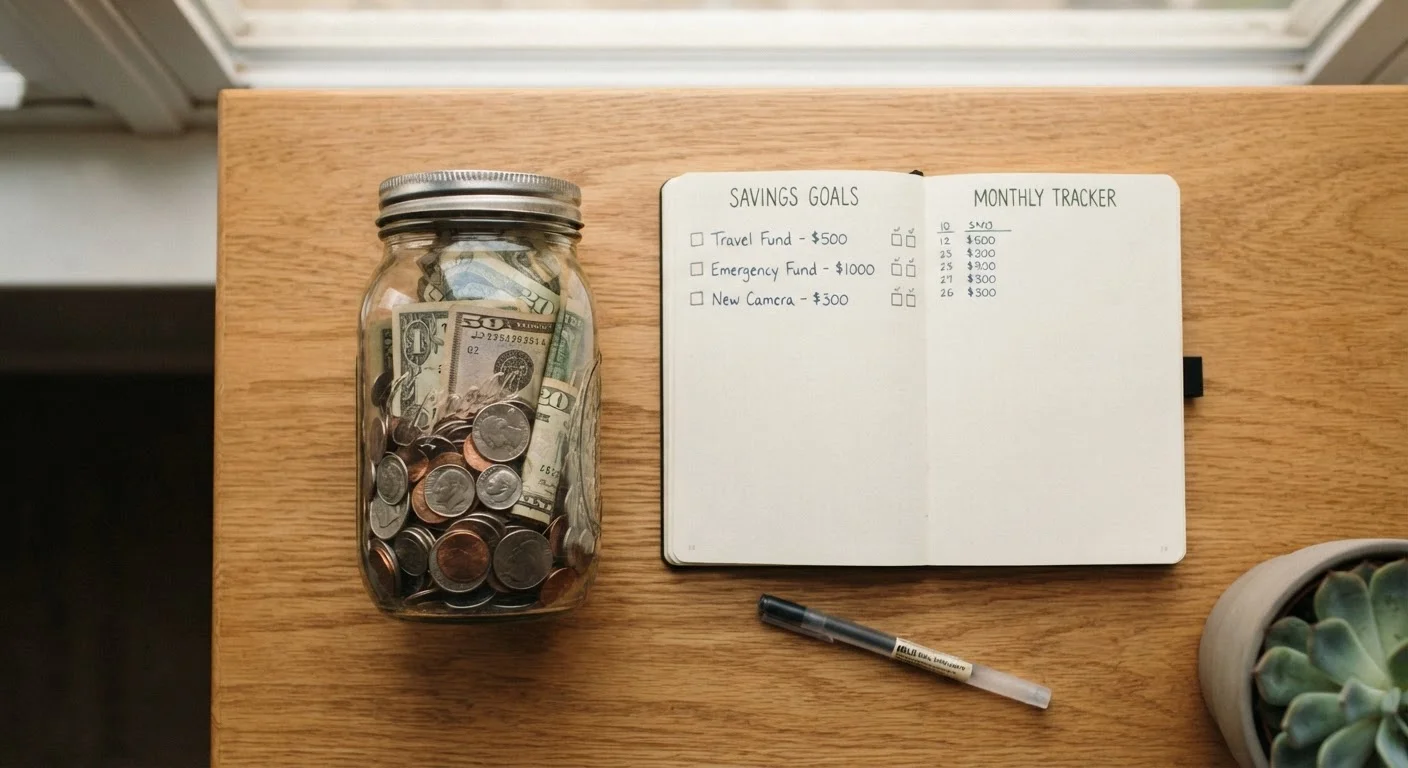
A small emergency fund breaks that cycle. Most personal finance practitioners suggest building a starter fund of around $500 to $1,000 before putting extra money toward debt. That's not a lot, but it covers many common emergencies and stops the cycle of paying down debt only to charge it back up.
~57%
Americans unable to cover a $1,000 emergency with savings
According to Bankrate's annual emergency savings report, a majority of U.S. adults would struggle to pay for an unexpected $1,000 expense from savings alone.
3–6 months
Recommended emergency fund coverage
Most mainstream personal finance frameworks, including guidance from the Consumer Financial Protection Bureau, suggest covering three to six months of essential living expenses.
$500–$1,000
Common starter emergency fund target
Many financial educators recommend this as an initial milestone before shifting focus toward aggressive debt repayment strategies.
Once your starter fund is in place, the strategy typically shifts to directing more money toward debt while continuing to save toward a fully funded three-to-six-month cushion at a slower pace. See this checklist to review before making extra debt payments to confirm your footing before accelerating repayment.
How to Start When Money Is Tight
Building savings while carrying debt and managing monthly bills can feel impossible. The amounts involved don't have to be large to matter — consistency is what builds the fund over time.
One practical approach is to apply the pay yourself first principle: move a fixed, small amount into savings on payday before you pay anything else. Even $25 or $50 a month adds up. Automating the transfer removes the decision from your hands each month, which makes it easier to stick with.
If your budget feels stretched in every direction, this guide on building a starter emergency fund on a tight budget walks through specific strategies for freeing up even small amounts. Windfalls — tax refunds, work bonuses, or a side gig payment — can also fast-track the fund without affecting your regular monthly cash flow.
This article is for general informational and educational purposes only and does not constitute personalized financial advice. For guidance specific to your situation, consider speaking with a qualified financial professional.