
Why a Small Cushion Matters More Than You Think
When every dollar is spoken for, building savings can feel impossible. But consider what happens without any cushion: a flat tire, a medical copay, or a broken appliance can force you onto a credit card — adding debt on top of debt. A starter emergency fund breaks that cycle before it starts.
Most personal finance frameworks suggest an eventual target of three to six months of essential expenses. That number can feel paralyzing when you're starting from zero. The smarter move is to aim for a modest first milestone — typically $500 to $1,000 — and build from there. You can learn more about the reasoning behind that sequencing in our overview of emergency fund basics.
This isn't about perfection. It's about having just enough breathing room so that one bad day doesn't become a bad month.
What You'll Need Before You Start
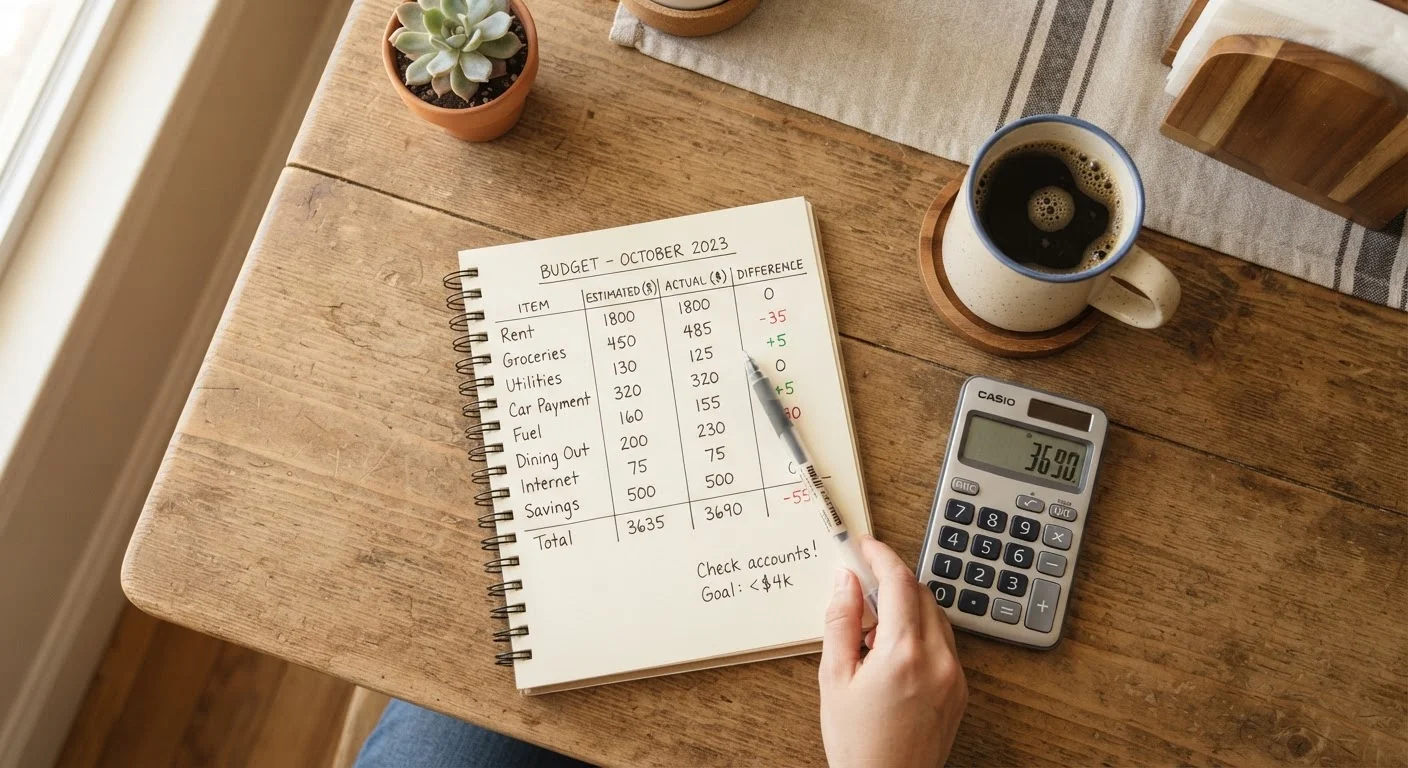
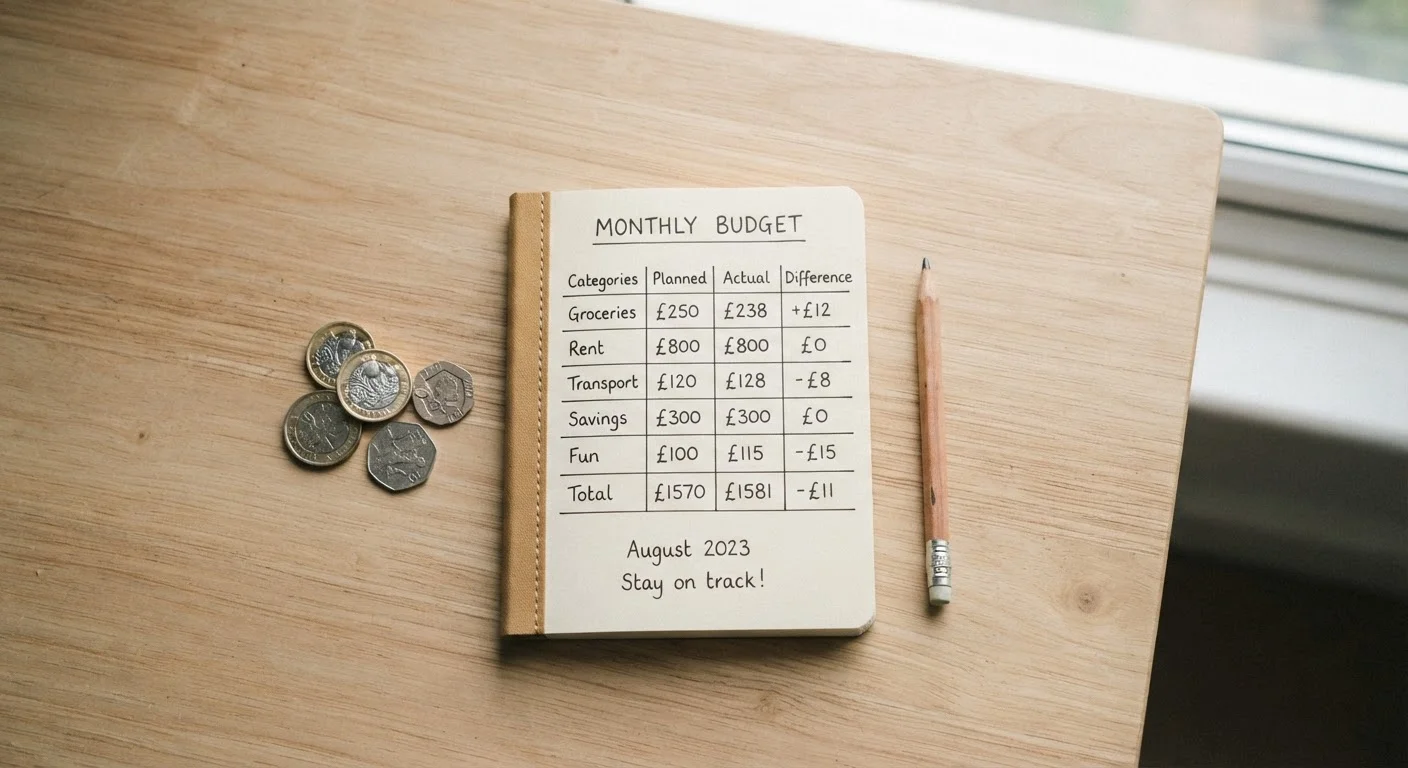
Before setting aside a single dollar, get a clear picture of where your money is currently going. If you haven't yet mapped out your monthly income and spending, our guide to building your first monthly budget walks you through it from scratch.
You'll also want to understand how your debt payments fit into the picture — which debts carry the highest interest, and whether you have any minimum payment obligations. Our introduction to managing debt and savings covers those fundamentals for anyone starting from square one.
What you will need
Step-by-Step: Building Your Starter Fund
Follow these steps in order. Each one builds on the last, and none of them requires a large income to work.
Set a specific, small first target
Choose a concrete dollar amount as your first milestone — $500 is a solid, achievable starting point for most households. Write it down or put it somewhere visible. A specific target gives you a finish line to work toward and makes the goal feel real rather than abstract.
Find even a small amount to redirect each month
Review your last 30 days of spending and look for one or two areas where you can trim — even temporarily. Common candidates include streaming subscriptions you rarely use, dining out, or impulse purchases. You don't need to find $200 a month. Even $20 to $40 consistently redirected is enough to reach a $500 goal within a year.
Open a separate savings account for this fund
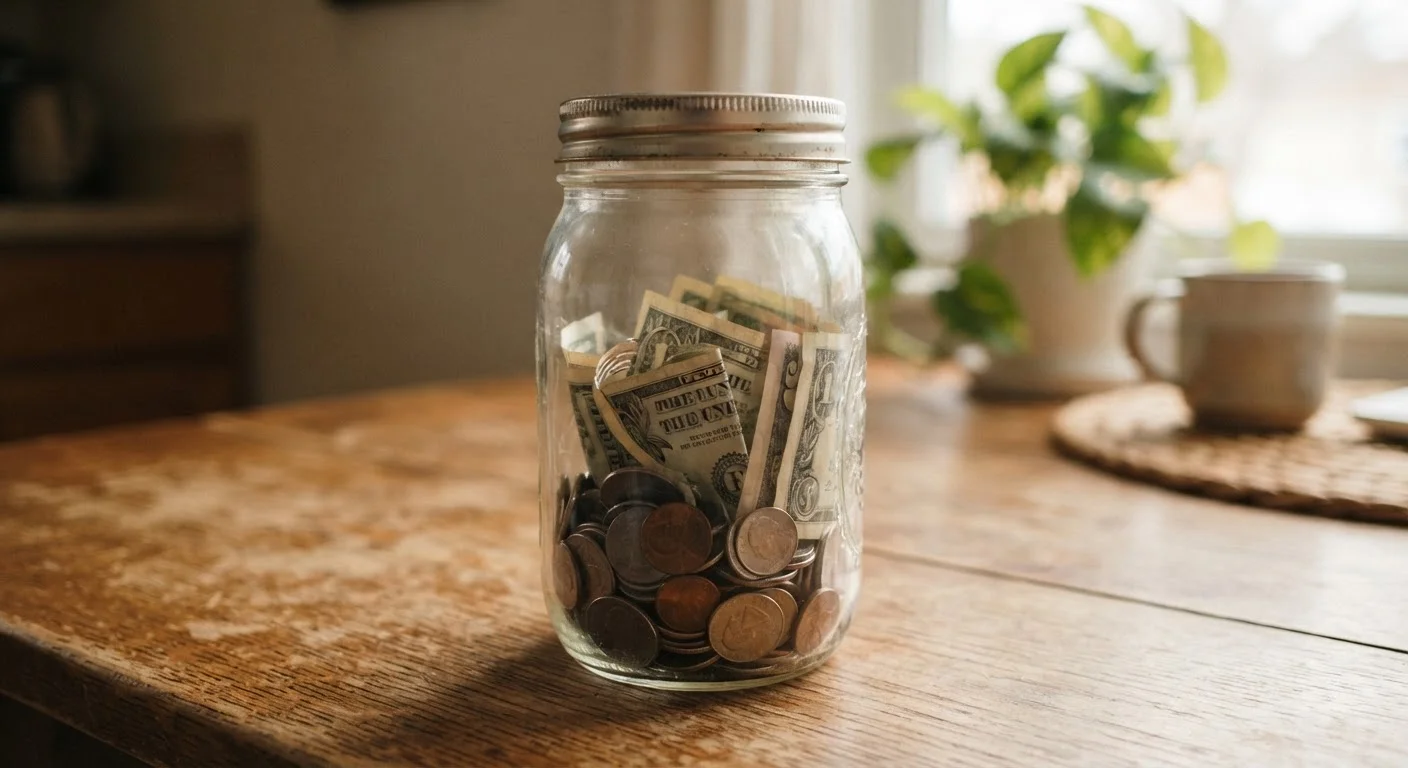
Keep your emergency money physically separate from your everyday checking account. Most banks and credit unions allow you to open a basic savings account with no fee. Label it something specific like "Emergency Only" if your bank allows account nicknames. Out of sight, out of mind — that friction helps you leave the money alone.
Automate your transfers
Set up an automatic transfer from your checking account to your emergency savings account on the day after your paycheck hits. Even if it's just $10 or $15, automating it means you never have to decide in the moment — the saving happens before you have a chance to spend that money elsewhere.
Add windfalls when they appear
Tax refunds, overtime pay, birthday money, or any unexpected income can jump-start your progress. Commit to putting a set percentage — even 50% — of any windfall directly into your emergency fund before spending the rest. This one habit can shave months off your timeline.
Track progress and adjust as needed
Check your emergency fund balance once a month alongside your regular budget review. If your income or expenses shift, adjust your transfer amount accordingly. Increasing your automatic contribution by even $5 when you get a raise or pay off a small bill can meaningfully accelerate your progress without feeling like a sacrifice.
Balancing Debt Repayment and Saving at the Same Time
One of the most common questions is whether to pay off debt first or build savings. The short answer: do a modest amount of both at once — at least while you're building that starter fund.
High-interest debt (such as credit card balances) costs you real money every month. But going all-in on debt payoff while keeping zero savings means any unexpected expense goes right back onto a card. A small emergency fund acts as a firewall.
A Simple Starting Split When Money Is Tight
If you're carrying high-interest debt and want to save at the same time, consider a simple split: put 80% of any extra dollars toward your debt minimum payments (or slightly above them) and 20% into your emergency fund. Once you hit your starter savings goal, you can redirect that 20% to accelerate debt payoff. This approach won't work identically for everyone — your specific debt types and interest rates matter — so consider speaking with a nonprofit credit counselor if you're unsure how to prioritize.
Once you've reached your starter goal, you can shift more dollars toward aggressive debt paydown. The smart spending hub has additional strategies for stretching every dollar during that phase.
People managing tight household budgets — including those furnishing or stocking a new home — often face competing demands on limited funds. Prioritizing a small cash buffer first tends to reduce financial stress and prevent backsliding on debt progress. See stocking a home on a tight budget for how that same sequencing logic applies to big household purchases.
This article is for general informational and educational purposes only and does not constitute personalized financial advice. Please consult a qualified financial professional for guidance specific to your situation.