
Why Renovation Budgets Almost Always Run Over
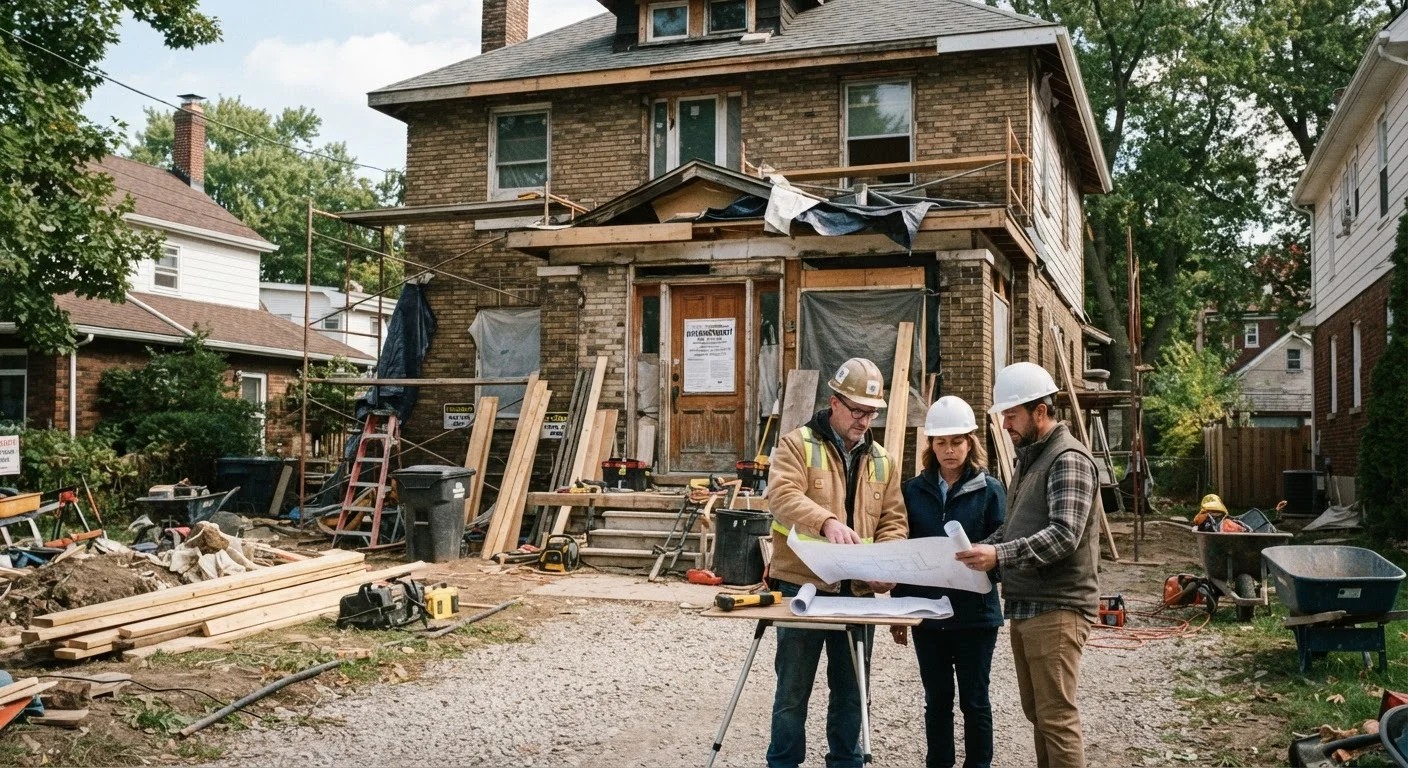
Homeowners consistently underestimate what a renovation will actually cost — not because they're careless, but because the true scope of a project is genuinely hard to see before walls come down. A bathroom remodel that looks straightforward on the surface can reveal corroded pipes, inadequate ventilation, or subfloor rot the moment demo begins. These aren't edge cases; they're routine.
Understanding where costs hide — and building them into your estimates from day one — is the single most effective habit separating renovations that stay on track from those that derail. The mistakes below represent the most common planning failures, along with what you can do differently before the first nail is pulled.
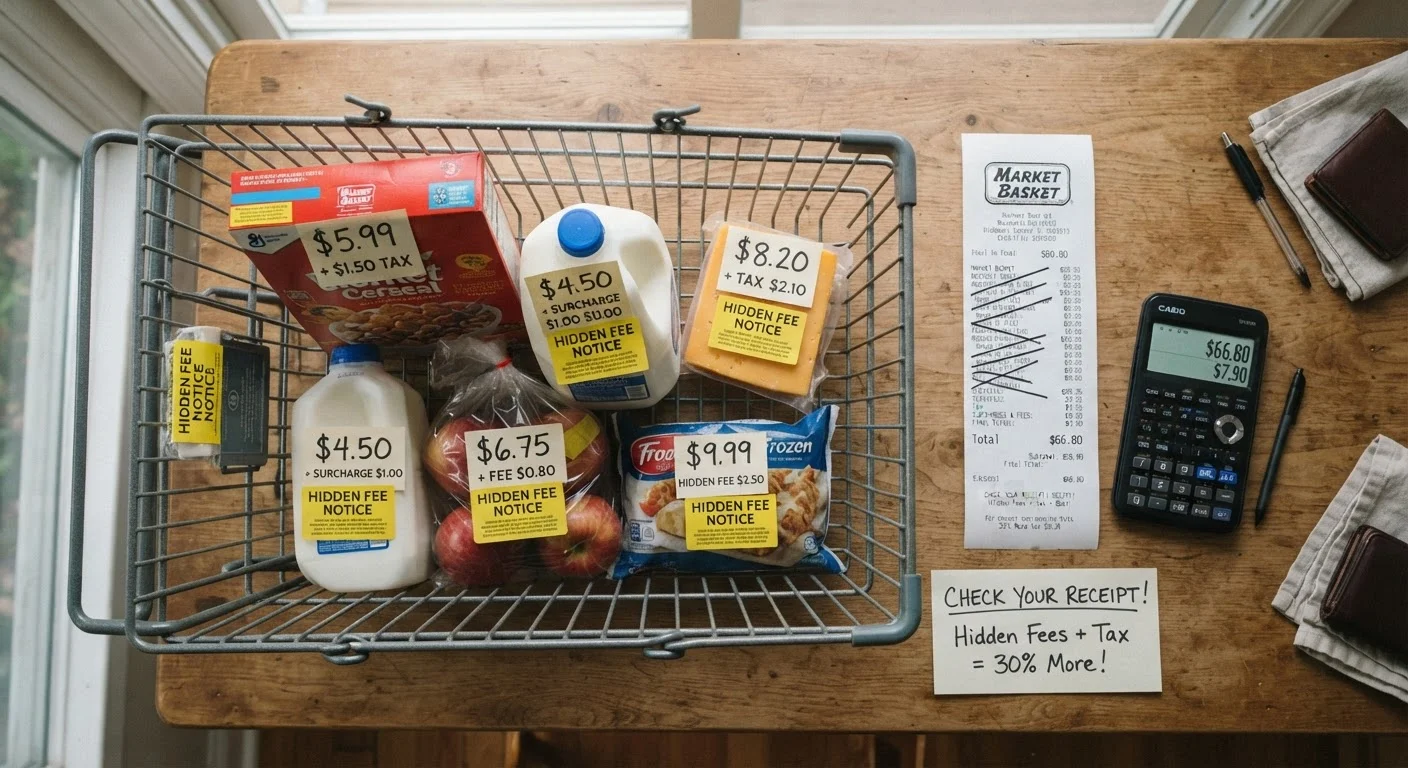
For a broader look at how hidden costs can flip the math on what seems like a reasonable deal, see our guide to hidden costs in everyday purchases.
Common Mistakes That Inflate Renovation Costs
Each of the following mistakes is avoidable with better upfront planning. None require construction expertise — just a willingness to ask hard questions before committing your money.
Skipping a contingency fund and treating the initial quote as the final number.
Why it happens: Quotes feel authoritative, and homeowners often don't want to budget more than they have to. It's easy to hope the number won't change.
Failing to account for permit fees and inspection costs in the project budget.
Why it happens: Permits feel like a bureaucratic formality rather than a real cost, and contractors don't always include them in initial estimates.
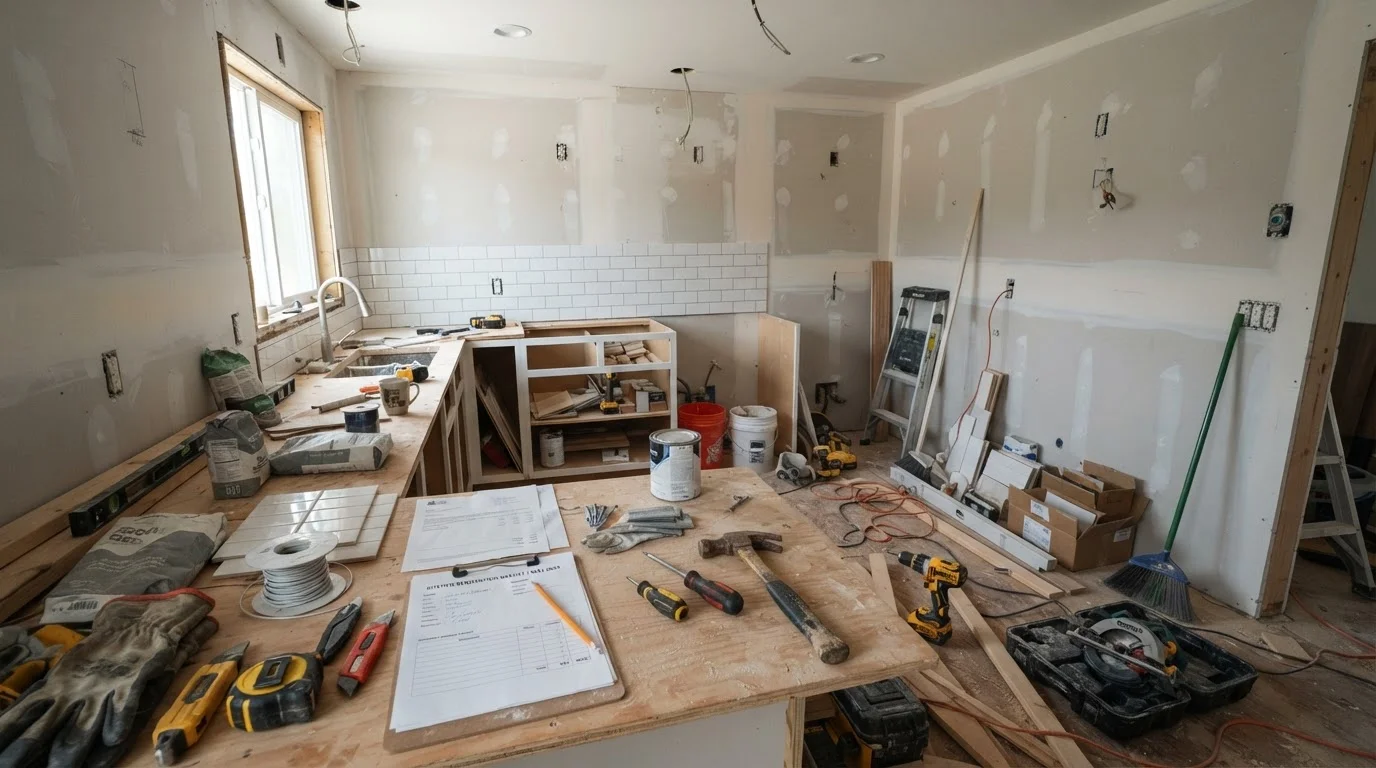
Underestimating demolition, hauling, and disposal costs.
Why it happens: These are back-of-mind costs that feel minor compared to materials and labor, so they often get left out of early estimates entirely.
Ignoring the cost of living disruptions during the renovation.
Why it happens: Homeowners focus on the physical project and overlook the practical question of where they'll cook, sleep, or store belongings while work is underway.
Allowing scope creep to expand the project without adjusting the budget.
Why it happens: Once walls are open, it's tempting to address adjacent problems or upgrade materials — decisions that seem small individually but compound quickly.
For a more detailed look at permit requirements and the real consequences of skipping them, our article on permits and inspections covers what you need to know before starting any regulated work.
Building a Budget That Actually Holds
A realistic renovation budget isn't just a material list with a labor estimate on top. It accounts for the full lifecycle of the project — including costs that appear before work starts and after the contractor leaves.
~35%
Renovation projects that exceed initial budget
Industry surveys consistently find that a substantial share of home renovation projects run over the original estimate, with structural discoveries and scope changes cited as the leading drivers.
15–20%
Recommended contingency buffer
Most construction industry professionals advise homeowners to reserve 15–20% of their total project estimate as a contingency, with the higher end recommended for older homes.
$3,000+
Average cost of unpermitted work remediation
Homeowners who skip required permits may face fines, forced re-inspection, or mandatory demolition and redo — costs that frequently exceed permit fees many times over.
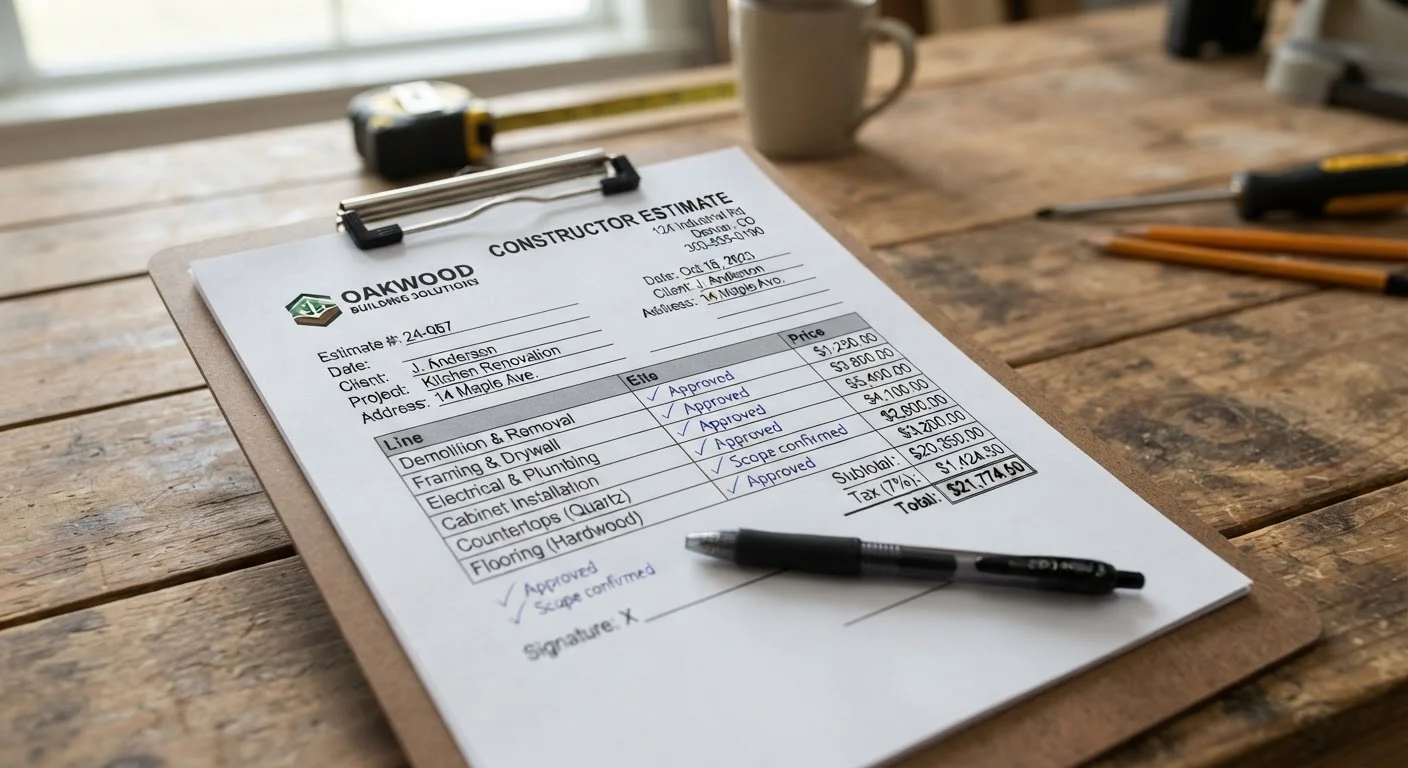
Start by getting at least three detailed written quotes, and make sure each one itemizes labor, materials, disposal, and any subcontracted work separately. Vague lump-sum quotes are a red flag. Understanding what every line item means before you sign is essential — our guide to reading contractor quotes explains the terminology you'll encounter.
From there, add your contingency buffer — typically 15–20% of the total project estimate — as a non-negotiable line item, not an afterthought. If you don't use it, that's a win. If you do, you'll be glad it was there.
Once your budget is set, the next challenge is keeping the project on schedule and on plan. Experienced homeowners handle this differently — from how they vet contractors to how they document progress. And if you want a structured checklist covering every phase from scope to final inspection, our home improvement planning checklist is a practical starting point.