
Why Principles Matter More Than Programs
Most fitness content sells programs — specific schedules, set counts, and exercise names. But for people with unpredictable or compressed schedules, rigid programs often collapse the moment life intervenes. What holds up under real-world conditions is a working understanding of the underlying principles. When you know why something works, you can adapt it to whatever time you actually have.
This article focuses on those principles: the training concepts that remain effective whether your session is 15 minutes or 45, whether you work out twice a week or five times. Understanding them also helps you cut through the noise around "quick fix" workouts — for a grounded look at what short sessions can and cannot do, see what research actually shows about quick home workouts.
Core Training Principles for Time-Pressed Exercisers
The following practices are grounded in established exercise science and adapted for people training at home with limited time and no equipment. Each one addresses a specific challenge that busy people face — from what to do when you only have 15 minutes, to how to keep making progress month after month.
Prioritize compound movements that work multiple muscle groups at once.
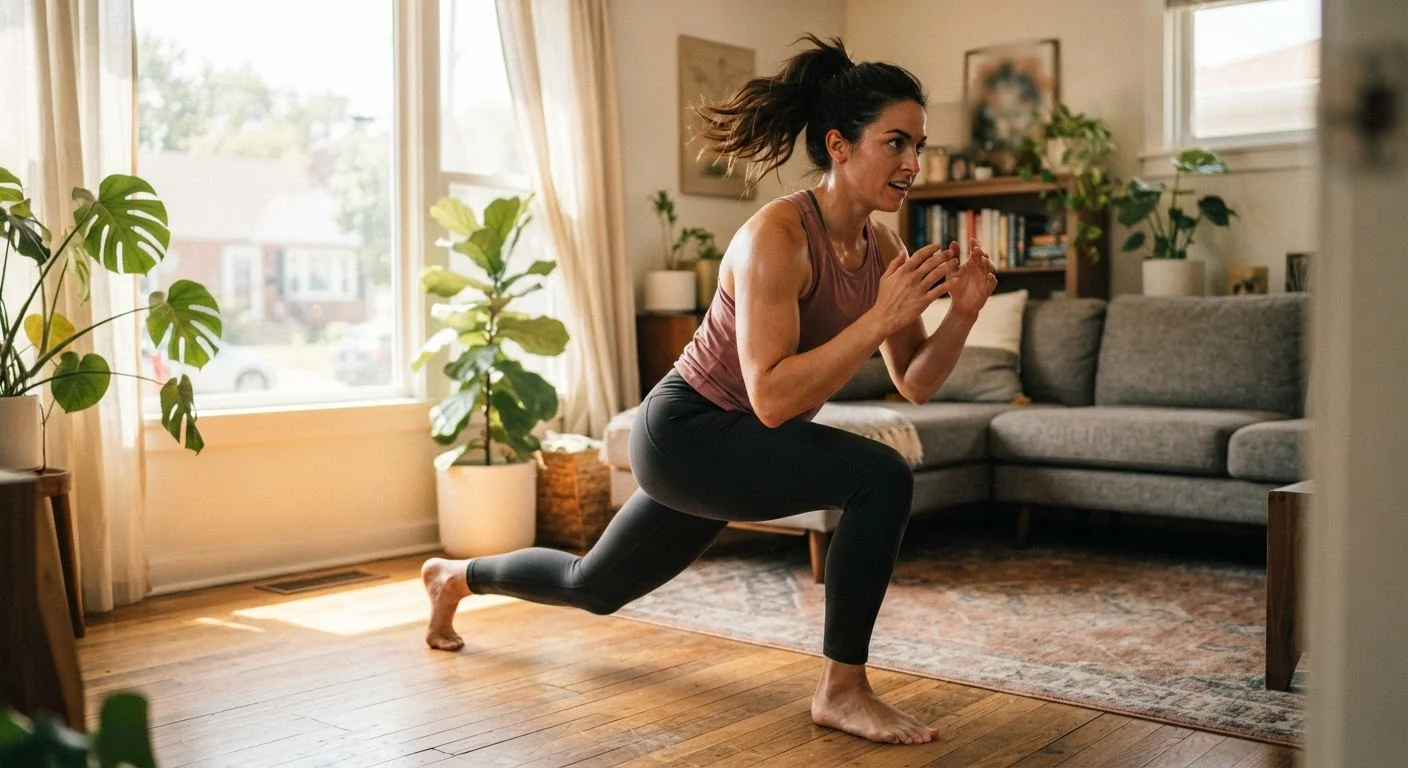
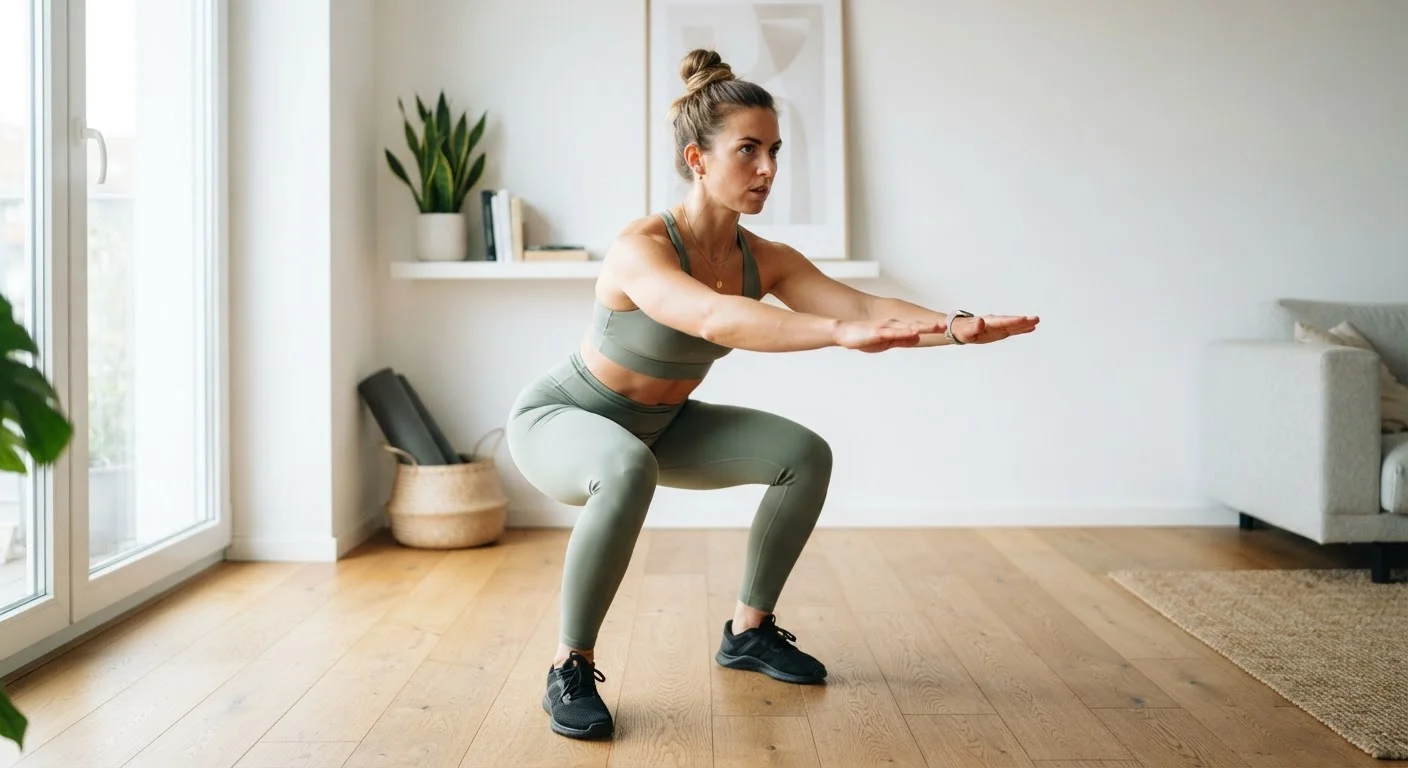
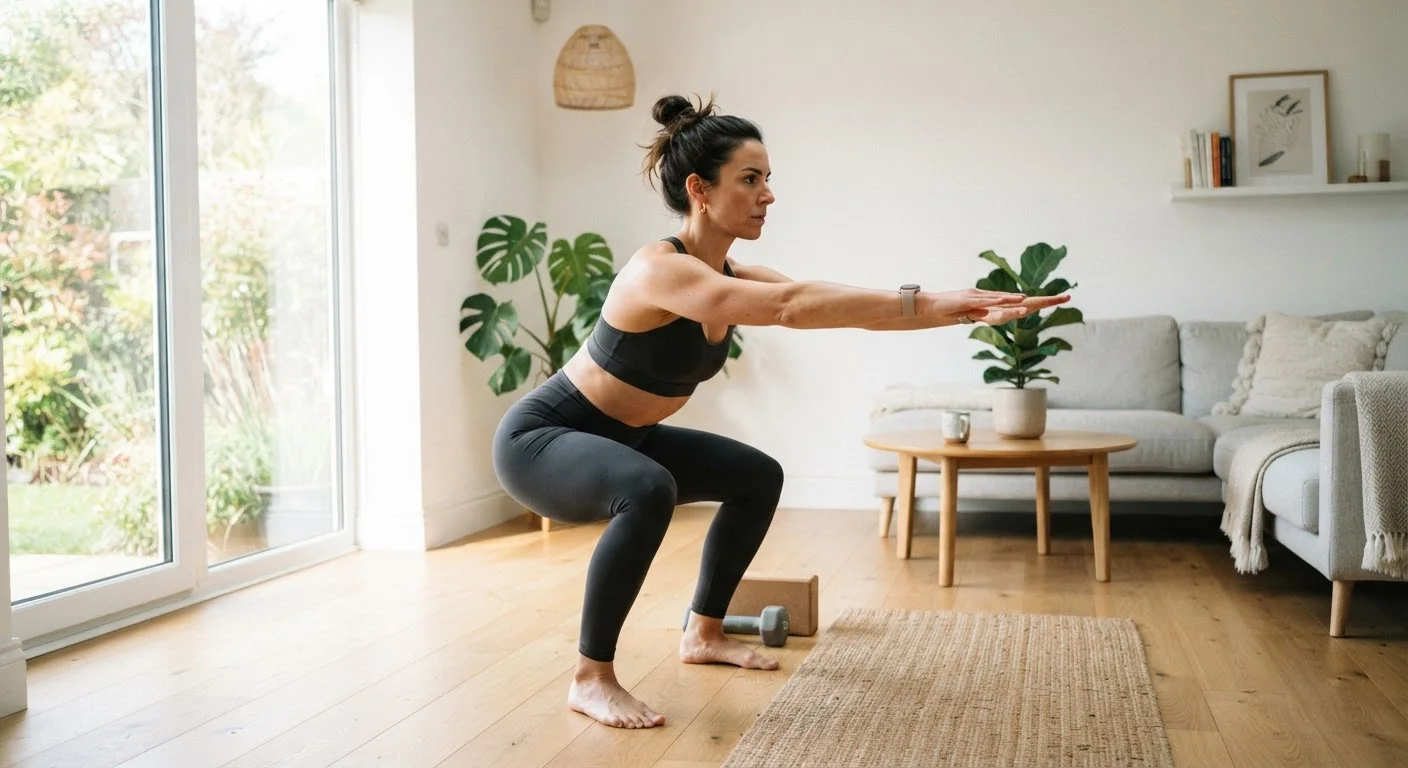
When time is limited, exercises that engage several muscles simultaneously — such as squats, push-ups, and lunges — deliver more physiological benefit per minute than isolated single-muscle moves. This approach lets you build strength, stability, and endurance in shorter sessions without sacrificing overall fitness development.
Apply progressive overload consistently, even without equipment.
Progressive overload — gradually increasing the demand placed on your body — is the foundational principle behind any real fitness gain. Without it, your body adapts and progress plateaus. You can increase challenge by adding reps, slowing the tempo, reducing rest time, or advancing to harder movement variations.
Schedule workouts as fixed appointments in your calendar.
Fitness goals without scheduled time rarely survive a busy week. Treating workouts as non-negotiable appointments — rather than things you'll do 'when there's time' — significantly improves follow-through. Even three 20-minute sessions per week provide meaningful stimulus when done consistently over months.
Use structured rest intervals rather than resting until you feel ready.
Rest periods directly affect the training stimulus. Shorter rests (30–60 seconds) keep heart rate elevated and build metabolic conditioning; longer rests (90–120 seconds) allow more strength output in the next set. Choosing intentionally based on your goal makes short workouts more precise and more productive.
Protect recovery time as part of your training plan, not an afterthought.
Muscle adaptation happens during rest, not during exercise. For people with compressed schedules, the temptation is to train every available day, but inadequate recovery increases injury risk and can actually slow progress. Even light activity like walking on off days supports circulation and recovery without impeding adaptation.
For a deeper look at the science supporting bodyweight training as a legitimate fitness approach, no-equipment fitness: what actually works and why covers the research in plain language.
Turning Principles Into a Repeatable Routine
Knowing the principles is only half the work — the other half is building a simple structure around them. For most time-constrained people, a repeatable weekly template works better than a day-by-day plan that requires constant decision-making. Decide once how many days per week you'll train, what movement patterns you'll cover, and how you'll progress over time.
If you're ready to move from principles to a concrete weekly structure, building a weekly workout routine around your living room offers a practical framework using only body and household space. And if you're new to exercise entirely, home fitness for absolute beginners walks through how to start safely without feeling overwhelmed.
This Is General Information, Not Medical Advice
The guidance in this article is intended for general educational purposes. It is not a substitute for advice from a qualified healthcare or fitness professional. If you have an existing health condition, are new to exercise, or experience pain during physical activity, consult a licensed professional before starting or changing a fitness routine.
This article is for general informational and educational purposes only. It is not a substitute for personalized advice from a qualified healthcare or fitness professional. Consult a licensed professional before beginning any new exercise program, particularly if you have a health condition or have been inactive for an extended period.