
Why a Structured Weekly Plan Outperforms Random Workouts
Exercising whenever the mood strikes feels flexible, but it typically leads to imbalanced training — too much of what you enjoy, not enough of what your body needs. A structured weekly plan distributes stress across muscle groups, builds in adequate recovery, and creates the kind of predictable habit that compounds into real results over months.
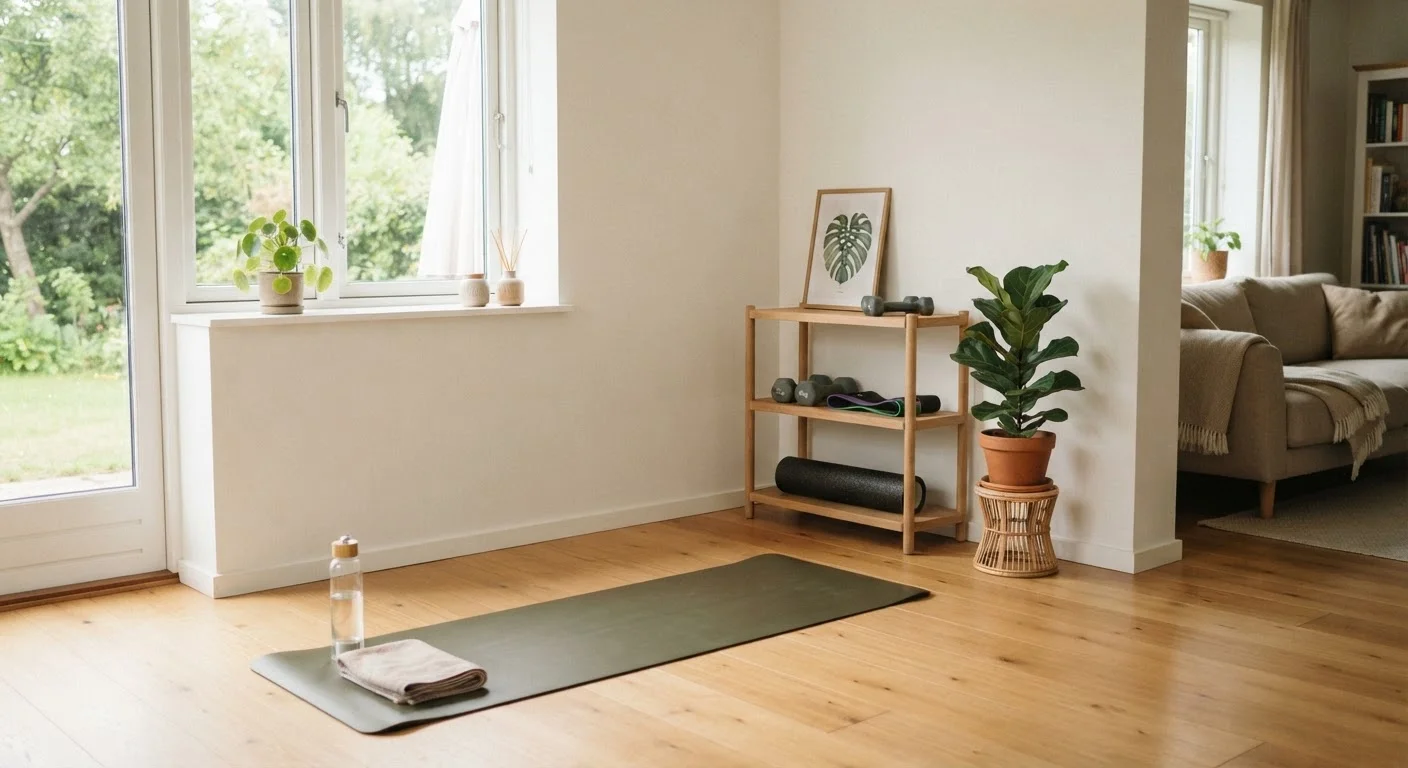
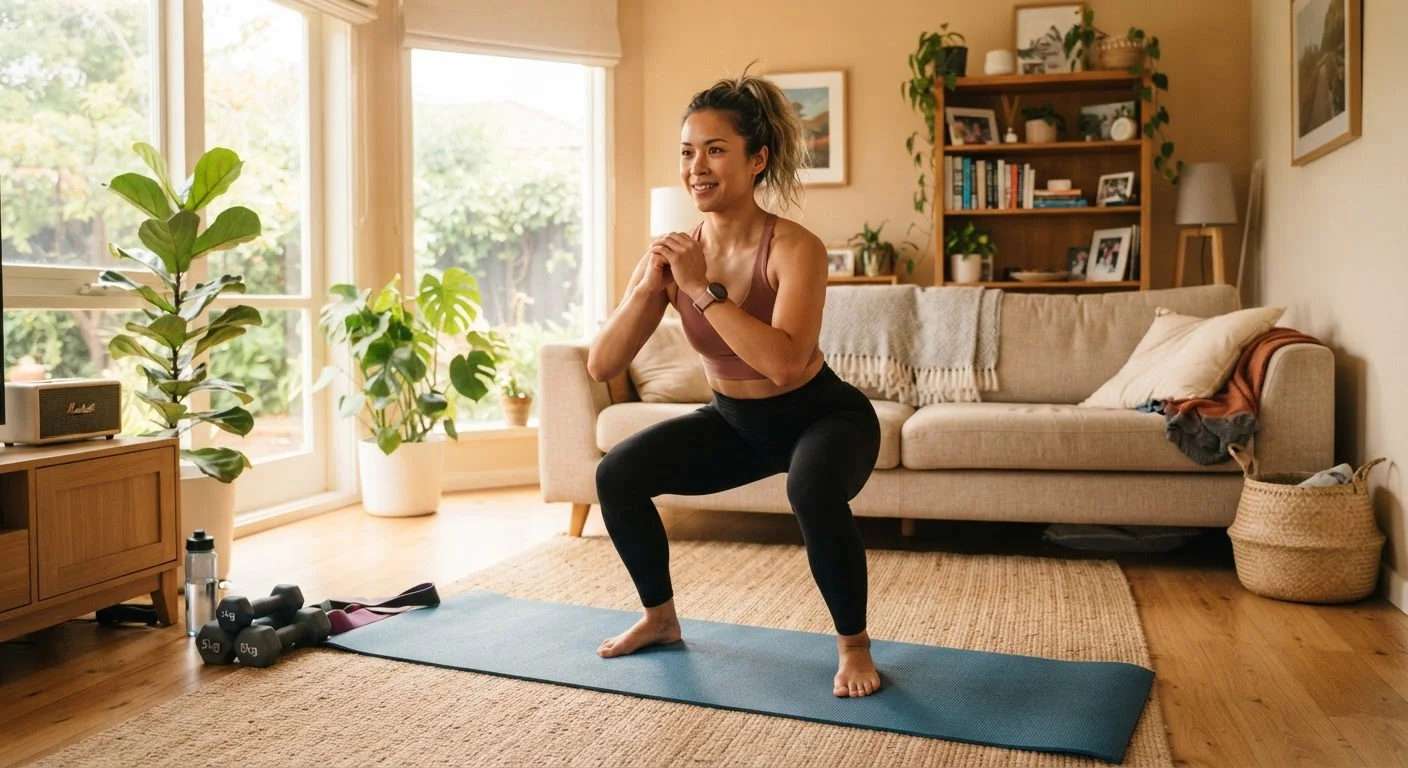
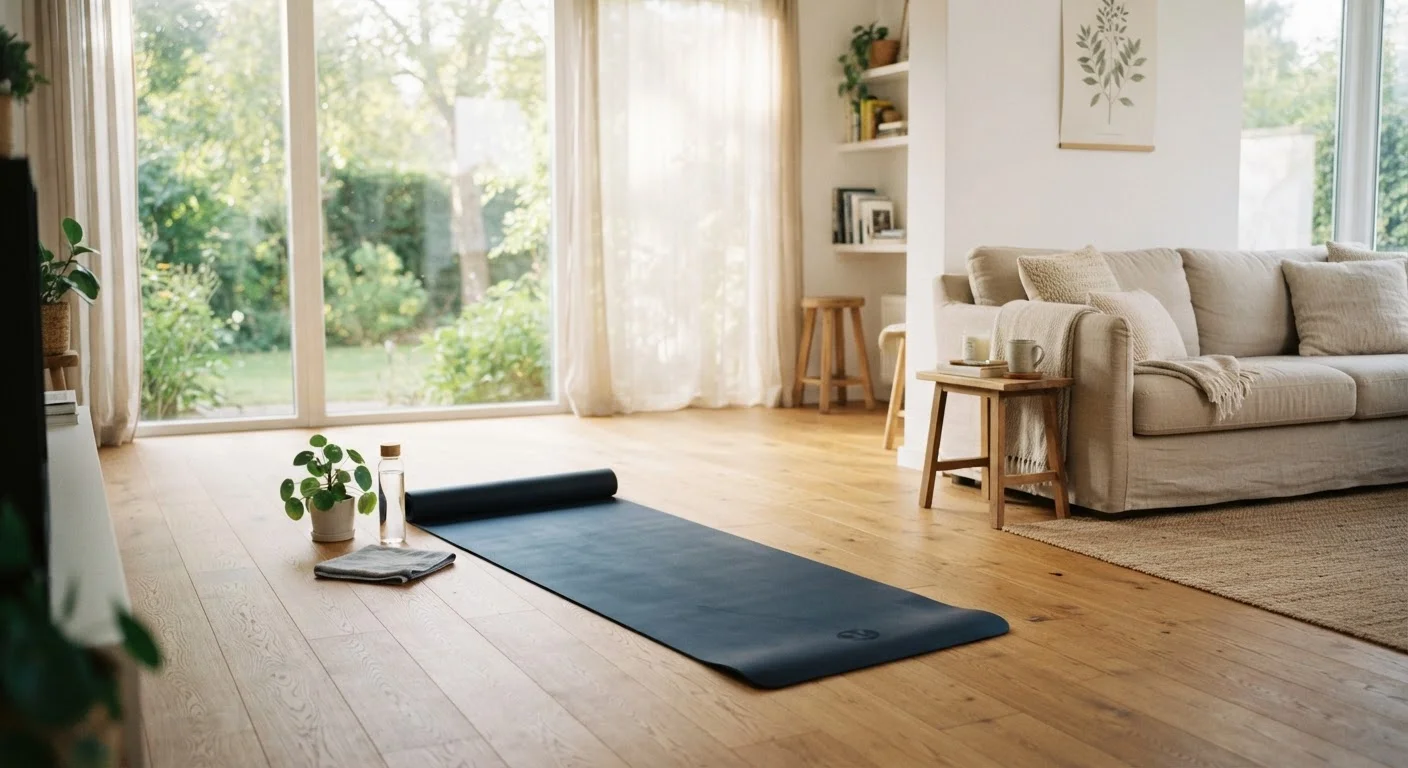
The living room is an underrated training environment. Bodyweight movements performed in a cleared 6-by-4-foot area can develop meaningful strength, cardiovascular fitness, and mobility — all without a membership fee. If you haven't already set up a dedicated space, the guide to setting up a safe home workout area walks through exactly what to prepare.
If you're brand new to exercise, it's also worth reading Home Fitness for Absolute Beginners before diving into the steps below. This article assumes you're ready to move past the starting-line questions and into actual routine design.
Write Your Week Down Before It Starts
Scheduling your workouts like appointments dramatically increases follow-through. On Sunday evening, assign each session a specific day and rough time slot. Even a short note on paper or a phone reminder reduces the friction of deciding whether to work out in the moment.
What to Do When Life Disrupts Your Schedule
Missed sessions are inevitable — work, illness, family demands, and poor sleep all compete with your workout time. The key is having a default response ready before disruption happens. A useful rule: if you miss one session, simply resume on the next scheduled day. If you miss a full week, return at a slightly reduced volume (drop one set per exercise) and rebuild over the following week rather than trying to compensate.
Consistency over months matters far more than perfection in any single week. Readers managing genuinely tight schedules may find additional strategies in Home Fitness on a Tight Schedule, which covers training principles designed for limited available time.
Exercise also interacts with other dimensions of wellbeing. Pairing a consistent movement routine with supportive daily habits is addressed in Building a Daily Mental Wellness Routine. And for a broader framework covering everything from exercise selection to long-term progression, Your Complete Home Fitness Playbook serves as a comprehensive companion resource.
Consult a Professional Before Starting
This article provides general fitness education, not personalized medical advice. If you have a pre-existing health condition, injury, or have been sedentary for an extended period, speak with a qualified healthcare provider before beginning any new exercise program. This is especially important for older adults, pregnant individuals, and those managing chronic conditions.
This article is for general informational and educational purposes only and does not constitute medical advice. Always consult a qualified healthcare professional before beginning a new exercise program.