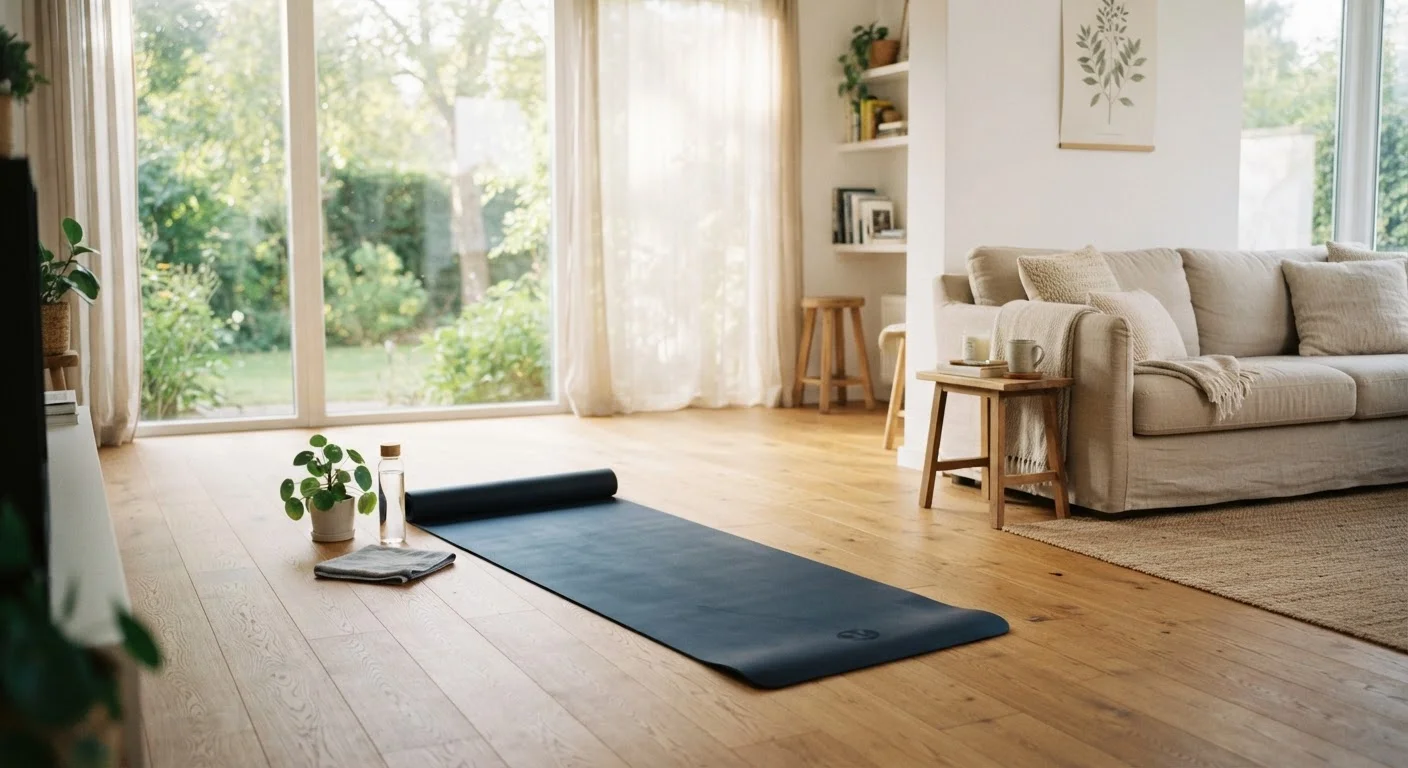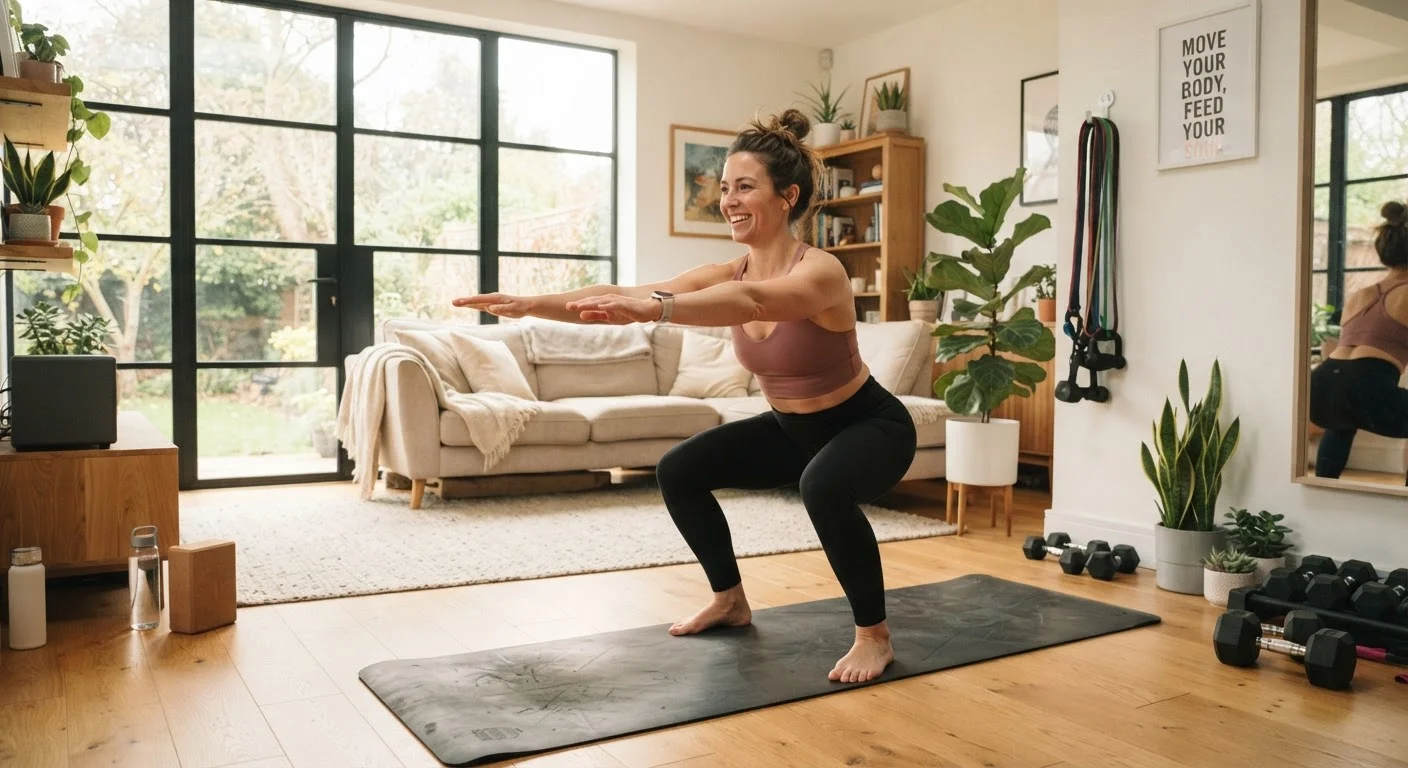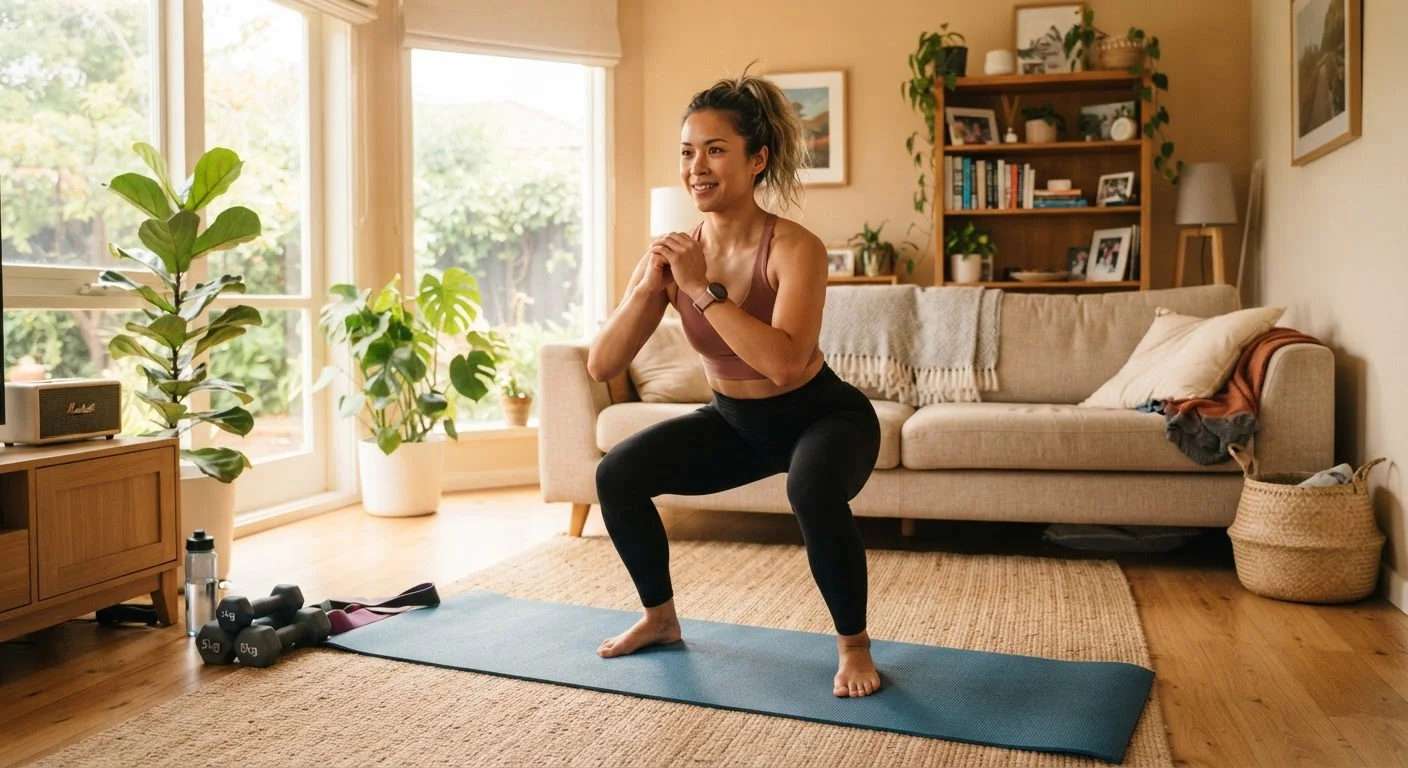

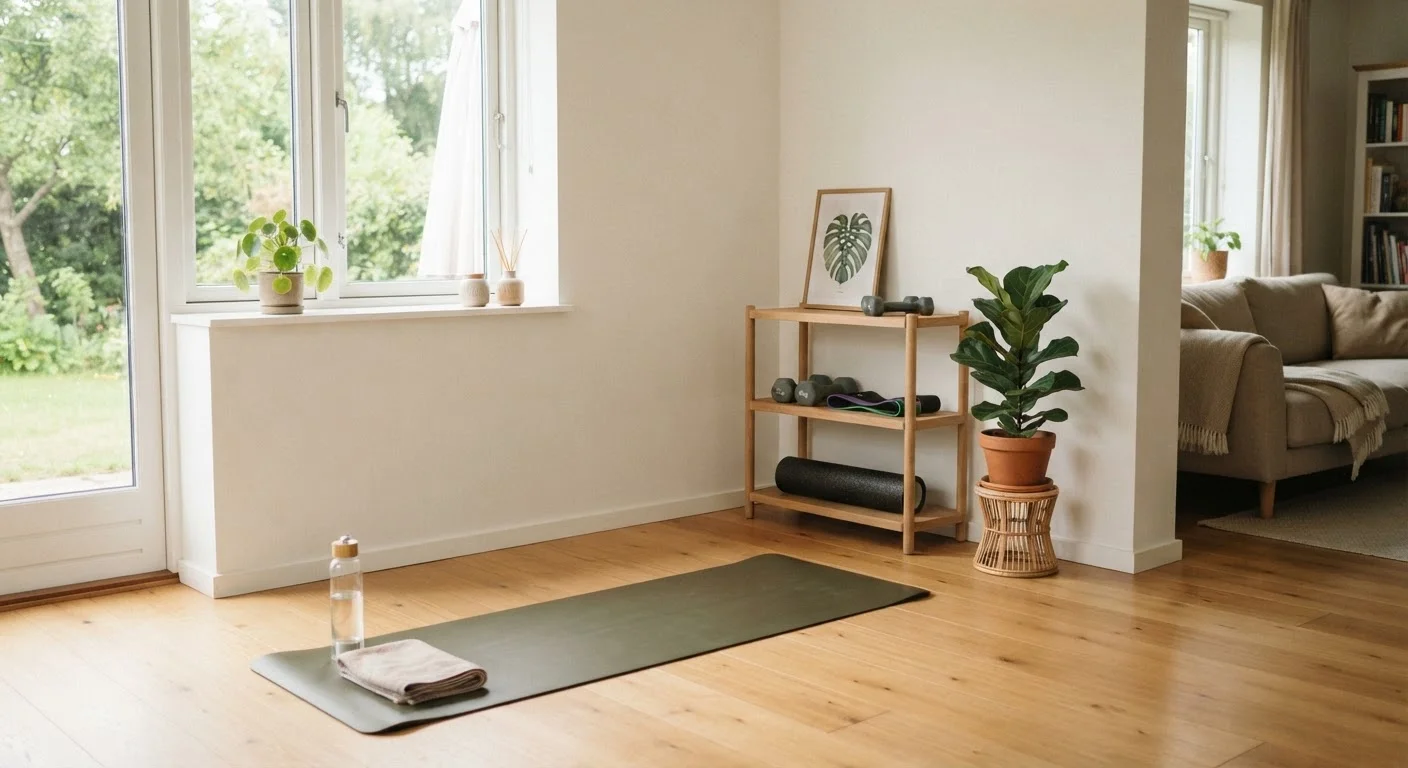
Why Your Workout Environment Matters
Most home fitness guides focus entirely on exercises and routines — yet the space you work out in shapes how safely and consistently you can train. A cramped, poorly ventilated room with slippery floors isn't just uncomfortable; it raises the real risk of injury from falls, overheating, or awkward movements constrained by the environment.
The good news is that setting up a solid home workout area doesn't require a spare room or a renovation budget. Whether you're carving out a corner of your living room or converting a garage bay, this checklist walks you through every factor worth addressing before your first session. Once your space is sorted, you'll be ready to put it to use — see Building a Weekly Workout Routine Around Your Living Room for a practical framework to fill it with structured training.
Floor Space & Clearance
Flooring & Surface Safety
Air Flow & Temperature
Lighting & Visibility
Equipment Storage & Organisation
Safety & Emergency Readiness
Tools and Supplies Worth Having on Hand
You don't need expensive equipment to complete this setup checklist. Most items below are affordable household staples or low-cost additions that meaningfully improve both safety and comfort.
Exercise Mat
Provides cushioning for floor-based movements and a non-slip surface on smooth floors.
Tape Measure
Used to confirm adequate floor space, overhead clearance, and safe buffer zones around your movement area.
Box Fan or Oscillating Fan
Maintains air circulation and helps regulate body temperature during moderate to intense workouts.
Foam or Rubber Interlocking Tiles
Creates a stable, cushioned, and joint-friendly surface, especially useful if you plan to use weights.
Full-Length Mirror
Allows you to monitor body alignment and exercise form without a partner or camera.
Wall-Mounted Hooks or Storage Bin
Keeps resistance bands, jump ropes, and other small equipment organised and off the floor.
Common Setup Mistakes to Avoid
Don't Overlook Overhead and Lateral Space
Many people measure floor area but forget about the space they need above and beside them during jumping jacks, overhead presses, or lateral lunges. Exercising too close to a ceiling fan, a shelf, or a wall edge can cause impact injuries. Always perform a slow, full range-of-motion test for each planned exercise in the new space before starting a real session.
Basements and Garages Need Extra Ventilation Checks
Enclosed spaces like basements and garages can accumulate stale air, humidity, or fumes from stored vehicles and chemicals. Before using these spaces regularly, ensure you have active ventilation — either a window, an exhaust fan, or both. If you ever feel dizzy, unusually short of breath, or notice a chemical smell during a session, stop immediately and move to fresh air.
Consult a Professional for Structural Modifications
If you're thinking about removing a wall, adding anchored wall brackets for heavy equipment, or making other structural changes to accommodate a home gym, always consult a licensed contractor first. Structural alterations — especially to load-bearing elements — require professional assessment and often local permits. See Before You Touch a Load-Bearing Wall for more context on what's involved.
Once your space passes this checklist, it's worth doing a quick reassessment every few months — especially if you add new equipment, rearrange furniture, or notice changes in airflow during different seasons. A well-maintained workout environment supports the kind of sustainable, injury-free progress covered in Your Complete Home Fitness Playbook. If you're brand new to exercising at home, Home Fitness for Absolute Beginners is a helpful companion to this guide.
This article is for general informational purposes only and does not constitute medical or professional safety advice. Consult a qualified healthcare provider before beginning any new exercise program, particularly if you have an existing health condition.