
What 'Refurbished' Actually Means
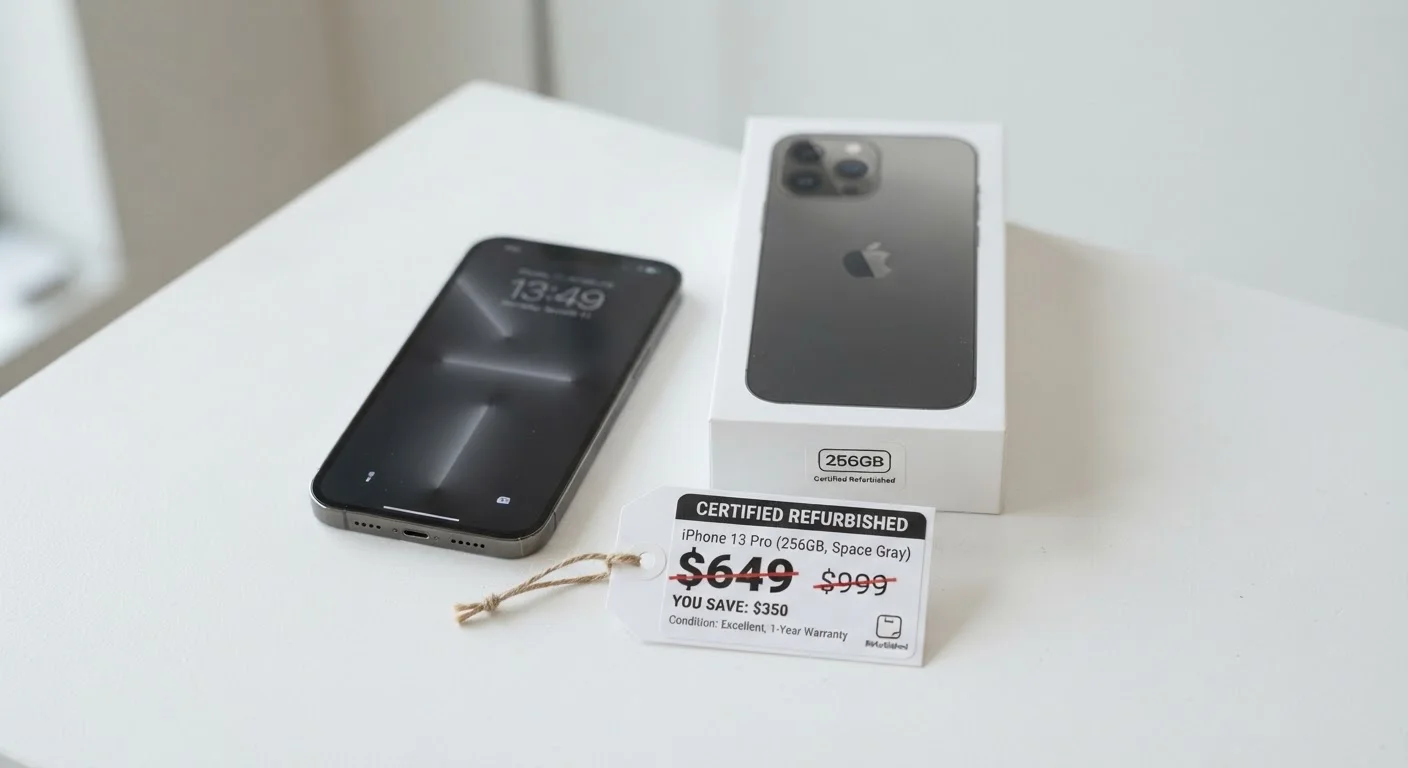
The word refurbished covers a wide spectrum. At one end, a manufacturer-certified refurbished phone has been returned, inspected, repaired to original specifications, and repackaged — sometimes with a new battery and fresh software. At the other end, a seller-refurbished unit may have been wiped, given a cosmetic clean, and relisted with minimal technical work.
Because there is no single industry-wide definition, the term alone tells you very little. What matters more is who did the refurbishing and what standards they applied. Phones are generally graded on a scale — often labeled A, B, or C — that reflects cosmetic condition, not necessarily internal component health. Grade A means few or no visible scratches; Grade C may show noticeable wear. Neither grade automatically tells you the battery capacity or whether internal components were tested under load.
If you're new to navigating these details, the fundamentals of what to look for in any phone purchase are worth reviewing first. See our beginner's guide to buying a smartphone for a grounding in the key specs to prioritize.
The Advantages Worth Considering
Significantly lower price than buying new
Refurbished phones typically cost 20–40% less than the same model sold new, making older flagship devices accessible at mid-range price points.
Access to premium hardware at reduced cost
A well-refurbished older flagship often has better build quality, cameras, and performance than a brand-new budget phone at a similar price.
Reduces electronic waste
Extending a phone's useful life delays it from entering the waste stream and lowers demand for the energy and materials needed to manufacture new devices.
Often cosmetically near-new from certified sources
Manufacturer-certified refurbished programs typically restore devices to a near-original appearance and functionality, making them difficult to distinguish from new.
The price difference between a refurbished model and its brand-new equivalent can be meaningful — often in the range of 20% to 40% less, depending on the device age and source. For someone who needs a reliable phone but doesn't require the newest camera system or processor, this gap can represent a genuinely smarter allocation of money.
There's also an environmental argument: extending a device's useful life reduces the demand for new manufacturing, which is resource-intensive. If reducing electronic waste matters to your household, buying refurbished is a concrete way to act on that.
Finally, older flagship models — phones that were once premium devices — become accessible at mid-range prices in the refurbished market. This can mean better build quality and longevity than a new entry-level phone at the same price point.
The Disadvantages to Weigh Carefully
Battery health may already be degraded
Lithium-ion batteries degrade with every charge cycle; a phone that's been used for one to two years may hold significantly less charge than it originally did, directly affecting daily usability.
Shorter software support window remaining
Manufacturers provide OS and security updates for a fixed number of years from a device's original release, so a refurbished model may have only one or two update cycles left.
Grading standards vary widely between sellers
There is no universal industry standard for what 'refurbished' means, so the quality of inspection, repair, and testing differs substantially depending on who sold the phone.
Limited or no warranty compared to new devices
New phones typically come with a one-year manufacturer warranty; many refurbished listings offer 90 days or less, leaving you exposed to repair costs if something fails early.
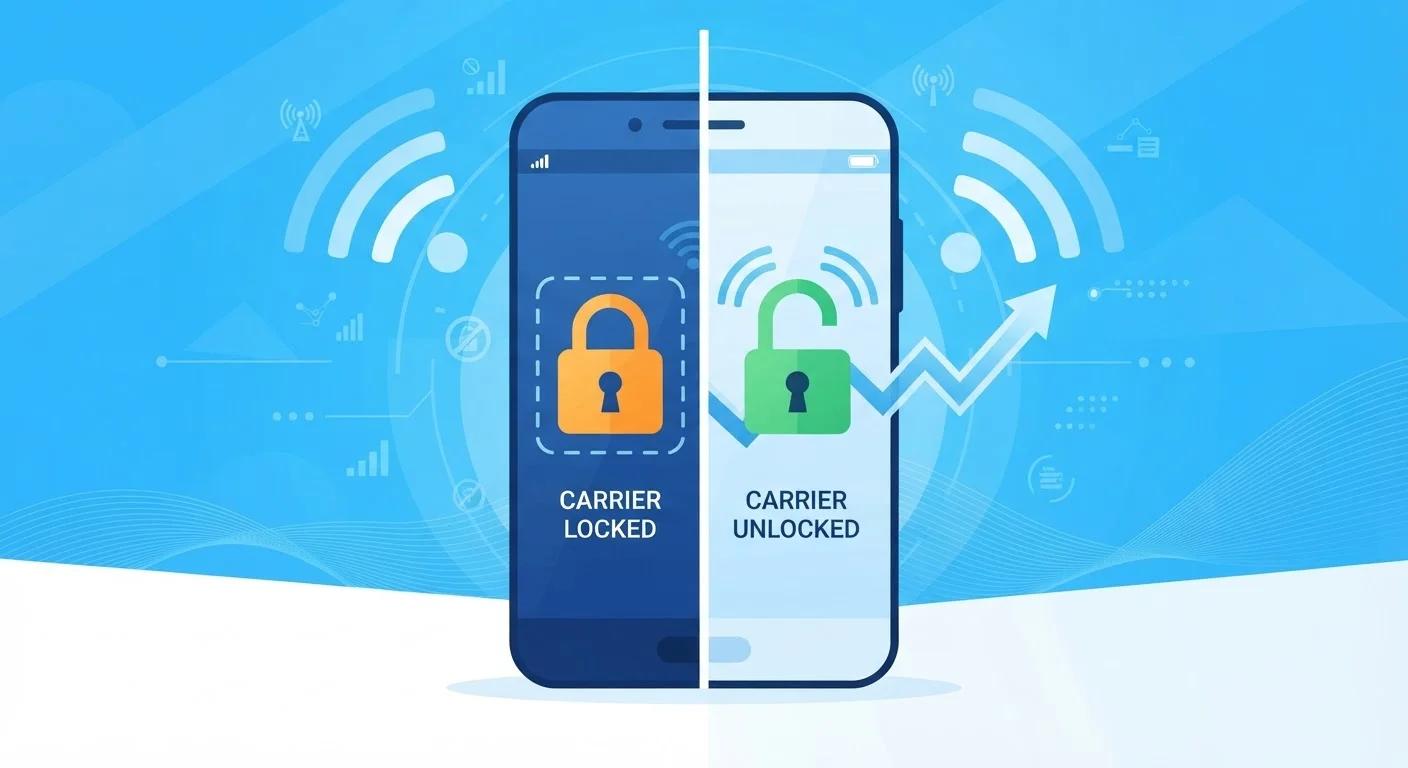
Risk of carrier lock or blacklisted IMEI
Some refurbished phones are locked to specific carriers or have been reported lost or stolen, which can render them unusable on your network without additional steps.
Battery health deserves special attention. Lithium-ion batteries degrade with charge cycles, and a phone that's a year or two old may already be operating at 80% of its original capacity — or lower. Many listings don't disclose this figure, and reduced battery life affects the entire day-to-day experience.
Software support is another underappreciated risk. Manufacturers set a fixed window for operating system updates and security patches. A refurbished phone that's two years old may have only one or two years of updates remaining, leaving you with an unsupported device sooner than you'd expect.
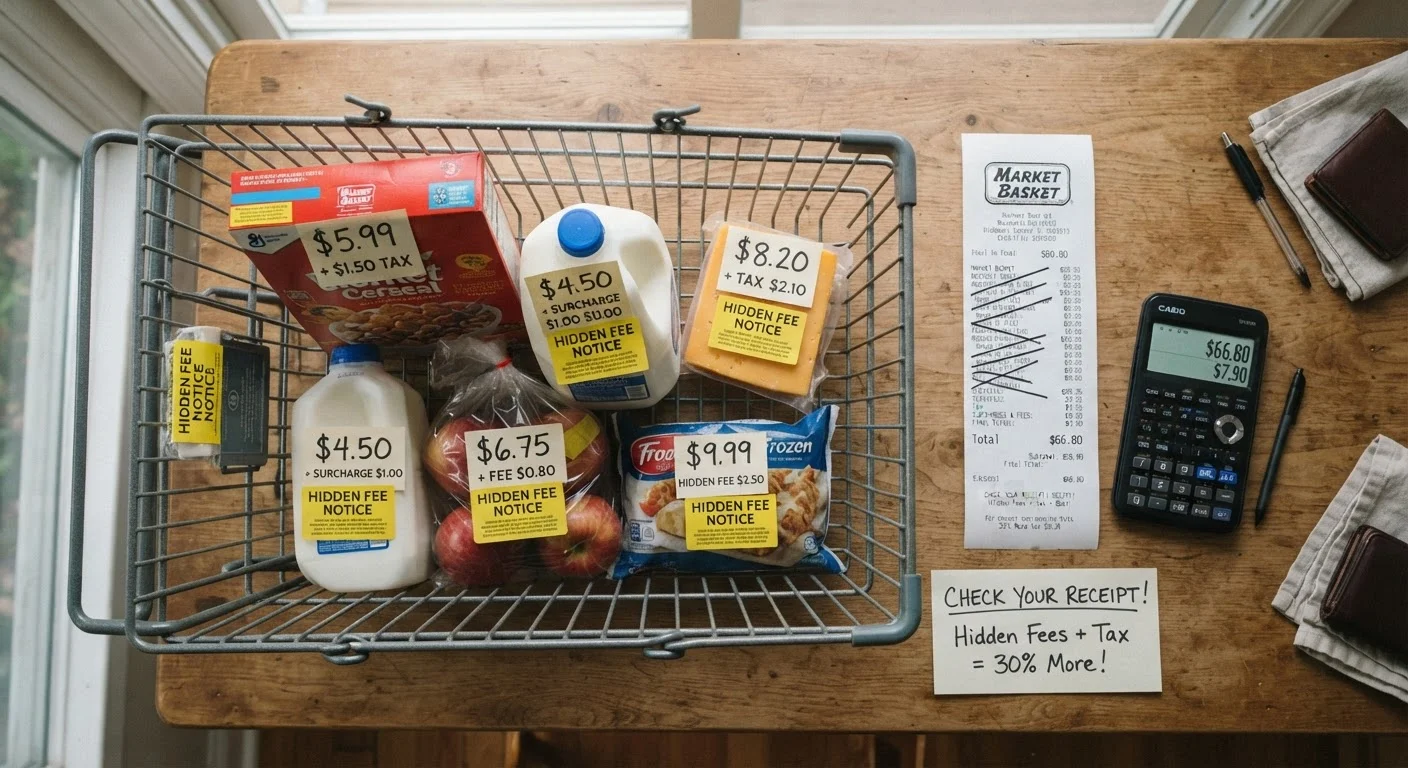
Before committing to any refurbished purchase, it's worth thinking through what hidden costs might arise — including accessories, cases, or compatibility adapters that add to the real price. The guide on hidden costs that can flip a bargain walks through this kind of math clearly.
Key Checks Before You Buy
Certified Refurbished vs. Seller Refurbished
"Certified refurbished" programs run by the original manufacturer generally hold to stricter repair and testing standards than programs run by third-party retailers or individual sellers. The distinction matters because it affects both the quality of the work done and the warranty terms you receive. When comparing listings, look for explicit documentation of who performed the refurbishment and what tests were conducted — not just the cosmetic grade assigned to the device.
Beyond grades and pricing, a few practical checks can separate a worthwhile purchase from a frustrating one:
- Warranty length: Manufacturer-certified programs often include a 90-day to one-year warranty. Third-party sellers may offer far less — or nothing.
- Return window: Confirm the return policy in writing before purchasing. A short or nonexistent window is a warning sign.
- Carrier lock status: A refurbished phone locked to a carrier you don't use is unusable without unlocking — which may not always be straightforward. Our article on locked vs. unlocked phones explains what this means in practice.
- IMEI check: Verify the phone's IMEI number against a public database to confirm it hasn't been reported lost or stolen, which would render it unusable on most networks.
If you're weighing whether to replace your current device at all, it's worth stepping back first. Our pre-upgrade checklist can help you decide whether a refurbished phone — or any new purchase — is actually the right move.