
What a Carrier Lock Actually Does
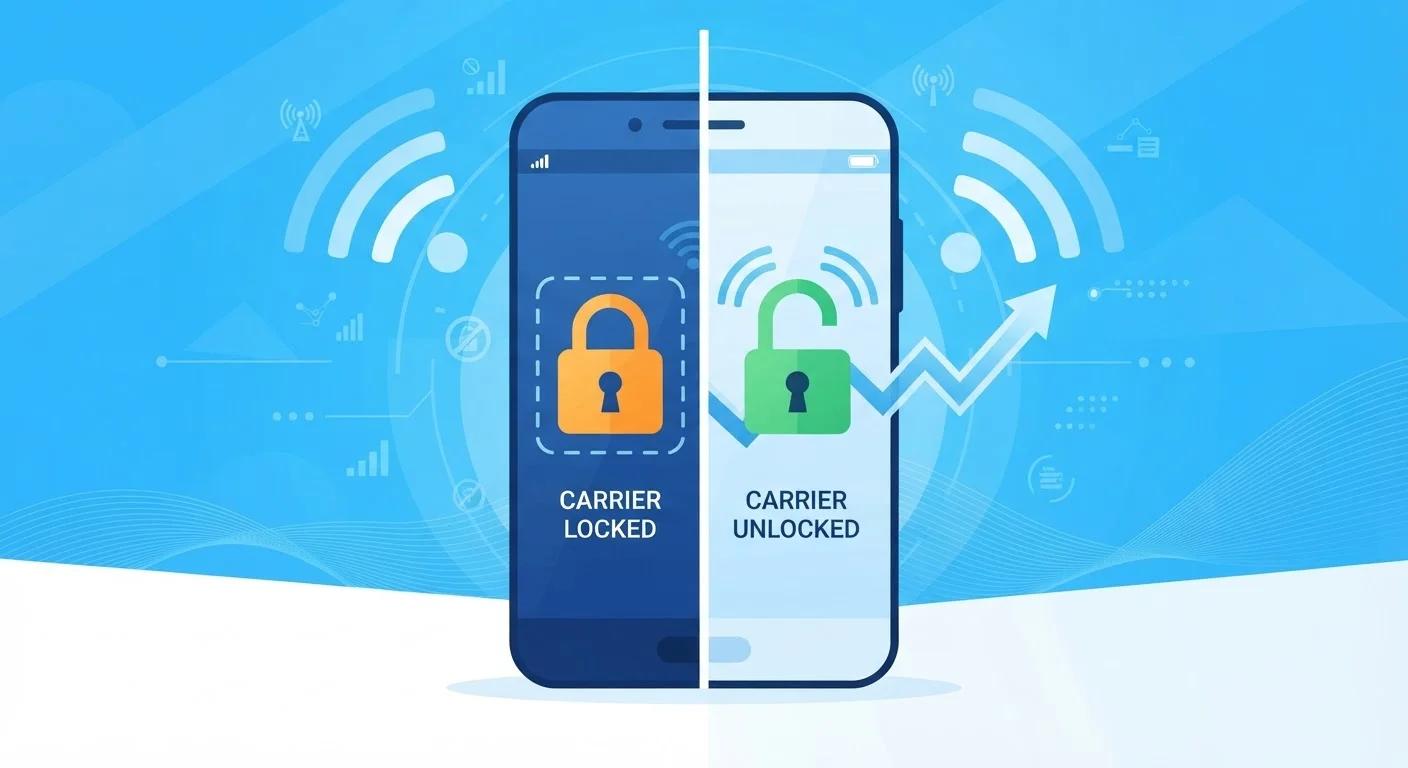
When a carrier sells you a phone — whether through a monthly installment plan or a promotional deal — it often embeds a software restriction tied to your account. This lock tells the phone to reject SIM cards from other carriers. You can still make calls, send texts, and use data, but only through that one network.
The lock has nothing to do with the physical hardware. The exact same device sold by a manufacturer as an unlocked model works on any compatible network. The lock is a business arrangement coded into the phone's firmware, and carriers use it to protect their investment in subsidized hardware or multi-year contracts.
It's worth distinguishing a carrier lock from a network technology mismatch. Even a fully unlocked phone won't work on a network it wasn't built to support. Band compatibility — the specific radio frequencies a phone can use — is a hardware limitation, not a software one. Always check that an unlocked device supports your intended carrier's frequency bands before assuming it will work.
The Business Logic Behind Carrier Locking
Carriers lock phones because they frequently sell devices at a discount in exchange for a service commitment. If you sign up for a 24-month installment plan on a phone that retails for $800, the carrier is essentially financing that device and recovering its cost through your monthly bill. Locking the phone reduces the risk that you take the subsidized device and immediately move to a competitor.
This arrangement can work in a consumer's favor — lower upfront costs are genuinely appealing — but it comes with constraints. You are tied to that carrier's pricing, coverage, and customer service for the duration of the agreement. If a competitor offers significantly better rates or coverage in your area mid-contract, switching becomes complicated and potentially costly.
Confirm Band Compatibility Before You Switch
An unlocked phone still needs to support your new carrier's frequency bands to work properly — especially for 4G LTE and 5G service. Before switching networks, look up your phone's supported bands and compare them against your intended carrier's published band list. This one check can save significant frustration after the switch.
Understanding the full economics of a locked-phone deal matters when you're evaluating whether a smartphone upgrade is genuinely worthwhile for your situation.
Your Legal Right to Unlock
In the United States, the Unlocking Consumer Choice and Wireless Competition Act, signed into law in 2014, affirmed consumers' right to unlock their devices. Major carriers are also bound by FCC voluntary commitments — and more recent regulatory guidance — that require them to unlock devices once specific eligibility conditions are met.
Typical eligibility requirements include:
- Completing your device installment plan in full
- Keeping your account current with no outstanding balances
- Meeting any minimum active-service period the carrier specifies
Once eligible, you can contact your carrier and request an unlock. The process is usually handled over the phone, through an app, or online, and the unlock is applied either via an unlock code you enter manually or automatically pushed to your device.
Prepaid Unlock Policies Vary by Carrier
Prepaid carriers also lock devices, but eligibility windows for prepaid accounts are often shorter — sometimes just 12 months of active service. Check your specific carrier's unlock policy, as terms vary and are subject to change.
Prepaid carriers also lock devices, but eligibility windows for prepaid accounts are often shorter — sometimes just 12 months of active service. Check your specific carrier's unlock policy, as terms vary.
How Lock Status Affects Resale Value and Flexibility
Lock status has a measurable impact on a phone's usefulness to a secondhand buyer. An unlocked device can be used by anyone on any compatible carrier, which makes it attractive to a much wider audience. A locked phone requires the buyer to either be on the same carrier or go through the unlock process — an extra step that many buyers prefer to avoid.
This dynamic shows up in resale prices. Unlocked phones typically fetch more on the secondhand market, all else being equal. If you plan to sell or trade in your device in the future, it's worth factoring lock status into your decision at the time of purchase.
Flexibility matters in international travel as well. With a locked phone, you may be limited to your carrier's international roaming plan. With an unlocked phone, you can purchase a local SIM card at your destination — often a far less expensive option for extended stays. For more on how your phone's security and support lifecycle affect long-term value, see our piece on what happens when your phone stops getting security updates.
Choosing What Makes Sense for Your Situation
Neither locked nor unlocked is universally better — the right choice depends on your priorities. If you value a lower upfront cost and plan to stay with one carrier for the foreseeable future, a locked device on an installment plan may suit you well. If you travel frequently, switch carriers to find better rates, or prefer buying phones outright to avoid long-term commitments, an unlocked device gives you more control.
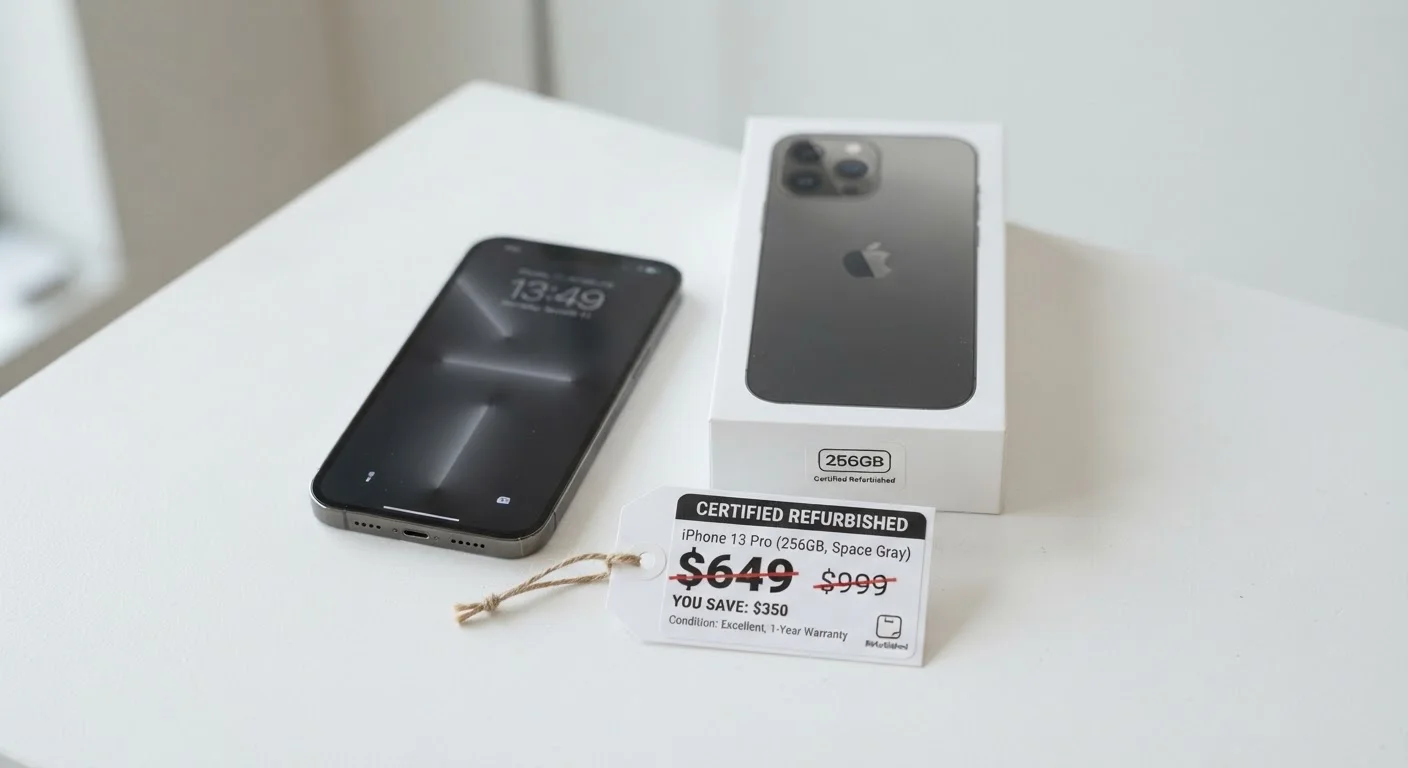
Before buying any device — new or used — verify its lock status. For secondhand purchases, also check the phone's IMEI against a carrier or third-party blacklist database to confirm the device hasn't been reported stolen or tied to an unpaid installment balance. Our guide on the trade-offs of buying a refurbished phone walks through those verification steps in detail.
Understanding what you're actually buying — and what restrictions come with it — puts you in a much stronger position to make a decision that fits your budget and lifestyle over the long term.
2014
Year U.S. phone unlocking became federally protected
The Unlocking Consumer Choice and Wireless Competition Act restored consumers' legal right to unlock their devices after a Library of Congress exemption lapsed.
12–24 mo.
Typical carrier lock eligibility waiting period
Most major U.S. carriers require customers to complete a device payment plan or active-service period before granting an unlock request.
Higher
Resale value of unlocked vs. locked phones
Unlocked devices appeal to a broader buyer pool on the secondhand market, which generally supports stronger resale prices compared to carrier-locked equivalents.