
Why Spec Sheets Are an Incomplete Picture
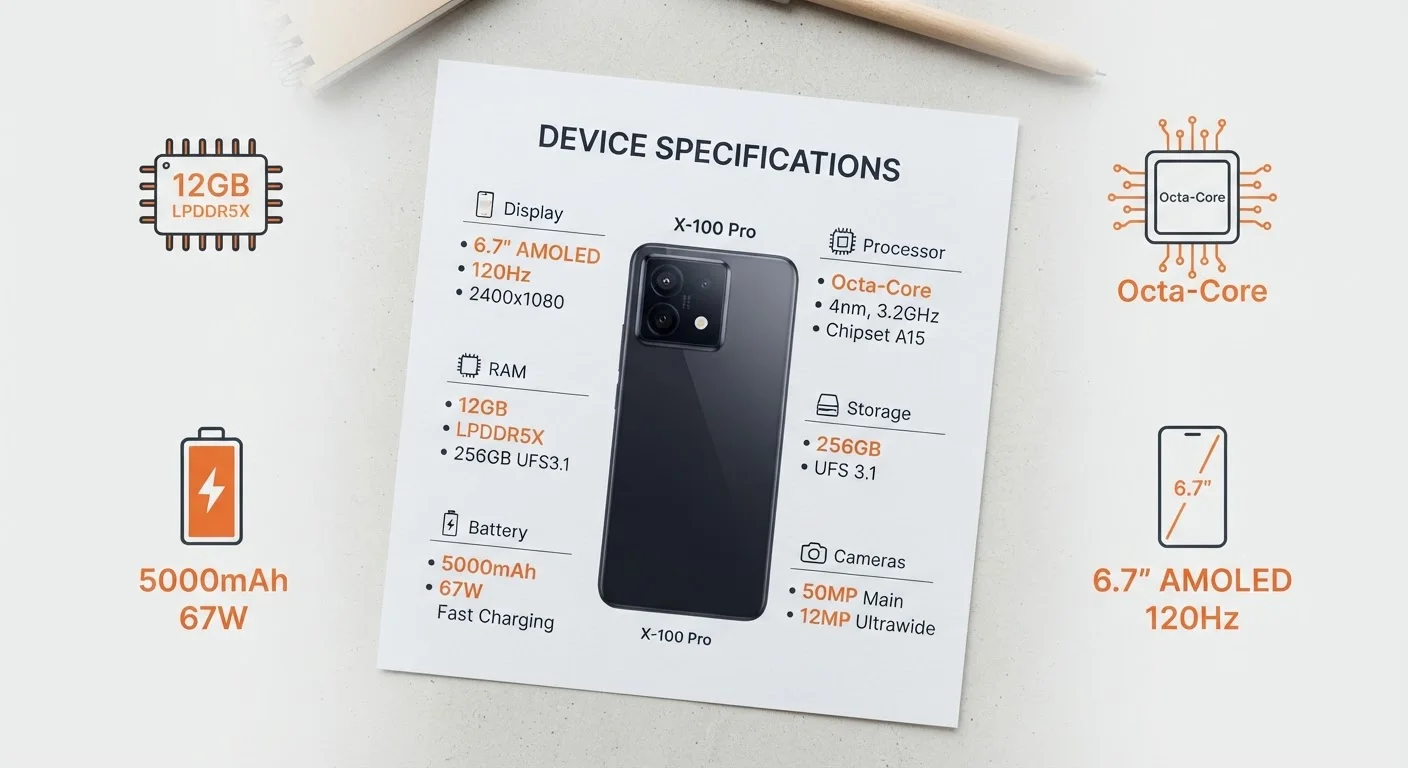
When you compare phones in a store or online, the camera section of the spec sheet usually leads with one number: megapixels. It's prominent, easy to compare, and sounds impressive the bigger it gets. The problem is that megapixels measure only one narrow dimension of camera performance — how many pixels are packed into a sensor — while leaving out the factors that most determine whether your photos look great or disappointing.
Understanding what the spec sheet omits helps you evaluate cameras on grounds that actually matter. The four pillars of real-world image quality are sensor size, aperture, optical zoom capability, and image processing. None of these translate cleanly into a single headline number, which is exactly why marketing tends to skip over them.
For a broader look at how smartphone numbers can mislead, see our guide to decoding smartphone specs.
Myth
More megapixels means better photo quality.
Fact
Megapixels measure resolution only; sensor size, aperture, and processing quality determine overall image quality far more.
A 200-megapixel sensor crammed onto a tiny sensor area will underperform a 50-megapixel sensor with a larger physical footprint in real-world conditions. Each pixel on the smaller sensor captures less light, resulting in noisier images, particularly in low light. Megapixels determine the maximum print size or how far you can crop before pixelation shows — nothing more.
Myth
A higher megapixel count means you can zoom in further without losing detail.
Fact
Meaningful zoom capability comes from optical lens hardware, not pixel count. Digital zoom degrades image quality regardless of resolution.
When a phone uses digital zoom, it crops into the captured image and enlarges a portion of it. Even with 100 megapixels, heavy digital zoom discards data and introduces blur. Optical zoom physically adjusts the lens to frame a closer subject, preserving full image data. The distinction matters most when printing large or examining fine detail in a cropped shot.
Myth
All camera lenses on a multi-camera phone are equal.
Fact
Manufacturers typically invest in one primary sensor and use smaller, lower-quality sensors for wide-angle or zoom lenses on the same device.
Most phones include a high-quality main camera alongside secondary lenses that may have smaller sensors, narrower apertures, or lower resolution. Photos taken through a wide-angle or telephoto secondary lens often look noticeably different — sometimes softer, noisier, or with different color rendering — compared to the main camera. Switching lenses mid-scene can expose these inconsistencies, especially in dim conditions.
Myth
Night mode is purely a hardware feature.
Fact
Night mode is primarily a software and processing technique that merges multiple exposures — and its quality depends heavily on the phone's processor.
Night mode works by capturing a rapid sequence of frames at different exposures and combining them algorithmically to reduce noise and recover shadow detail. The speed and quality of this computation depend on the phone's chipset. Two phones with identical sensor hardware but different processors can produce noticeably different night mode results. This is one area where software updates can also produce visible improvements over time without changing any hardware.
Myth
Aperture doesn't matter because phones automatically adjust exposure.
Fact
A phone's aperture is fixed and physically determines how much light the sensor receives — automatic exposure settings work within that constraint.
Unlike traditional cameras, most smartphones cannot mechanically change aperture. The f-number you see in specs is fixed for each lens. Auto-exposure compensates by adjusting shutter speed and ISO (light sensitivity), but both have limits. A slower shutter speed causes motion blur; a higher ISO introduces grain. A wider aperture (lower f-number) simply allows more light to enter before those tradeoffs become necessary, giving the camera more room to work with in challenging conditions.
The Hidden Factors That Actually Drive Photo Quality
Once you move past megapixels, three hardware factors have an outsized effect on the images a phone produces.
Sensor Size
A larger sensor captures more light, which directly improves photos taken in dim rooms, at dusk, or indoors without flash. Sensor size is usually expressed in fractions of an inch (e.g., 1/1.28"). A sensor measured at 1/1.28" captures significantly more light than one at 1/2.55", even if both phones advertise the same megapixel count. More light means less noise — the grainy, speckled look that undermines low-light shots.
Aperture
Aperture, written as an f-number (f/1.8, f/2.2), controls how wide the lens opens to admit light. A lower f-number means a wider opening and more light reaching the sensor. A lens at f/1.8 admits roughly 50% more light than one at f/2.2 — a meaningful difference for evening and indoor photography.
Optical vs. Digital Zoom
Optical zoom uses a physical lens to bring a subject closer without discarding image data. Digital zoom simply crops and enlarges the existing image, which degrades detail in the same way zooming into a small JPEG does. A phone advertised with "10× zoom" may rely heavily on digital zoom for anything beyond 3× or 5×, making the headline figure misleading for users who print photos or crop heavily.
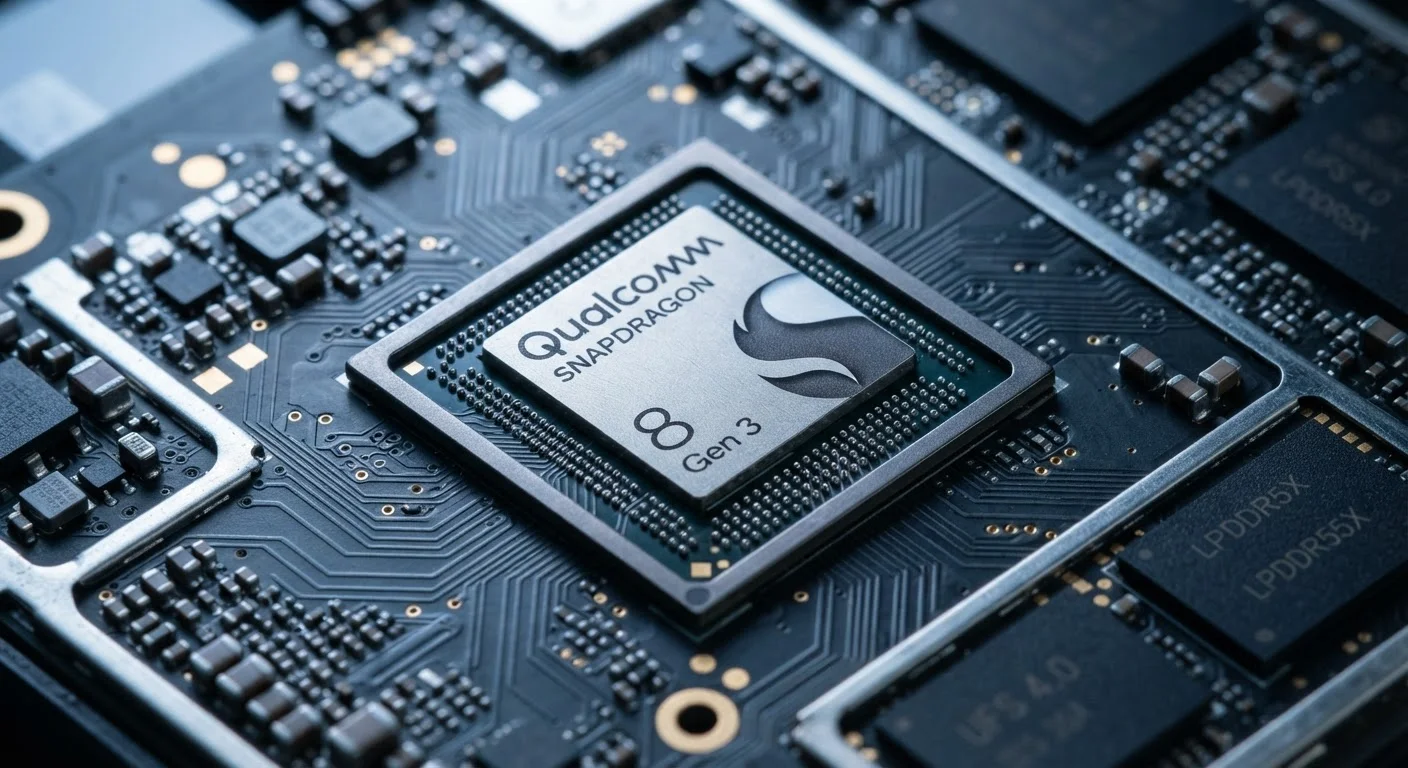
The chipset inside your phone also plays a larger role in camera output than many shoppers realize. Computational photography — HDR merging, night mode, portrait blur — is processed by the chip, and faster chips handle these tasks better. Our explainer on mobile processors covers how the chip shapes camera performance in detail.
Sample Photos Are More Reliable Than Specs
No spec sheet value substitutes for looking at actual photos taken by the device you are evaluating. Seek out samples shot in realistic conditions — indoors, at night, and in motion — rather than curated studio images. Independent photography-focused review sites typically publish standardized test shots that make direct comparison more meaningful.
Making a More Informed Camera Comparison
Rather than comparing megapixel counts, look for information about sensor size and aperture — some manufacturers publish these, though they are rarely on the front of the box. Sample photos taken in mixed lighting conditions, especially indoors and at night, reveal far more than studio shots in perfect light.
Video specifications are another overlooked factor. Frame rate (frames per second) and stabilization method (optical vs. electronic) determine how smooth handheld footage looks. A phone that shoots 4K video with only electronic stabilization may produce shakier results than one offering 1080p with optical stabilization.
Finally, consider how software updates affect the camera over time. Manufacturers regularly push processing improvements that can meaningfully change photo output on existing hardware. A phone with a strong chipset — one capable of running demanding computational photography algorithms — tends to benefit more from these updates. This is one reason the chip is worth understanding alongside the camera hardware itself.
For context on how display resolution interacts with photo viewing, our article on display specs that matter explains the relationship between screen quality and how images actually appear.