
What 5G Actually Is (and Why the Hype Got Complicated)
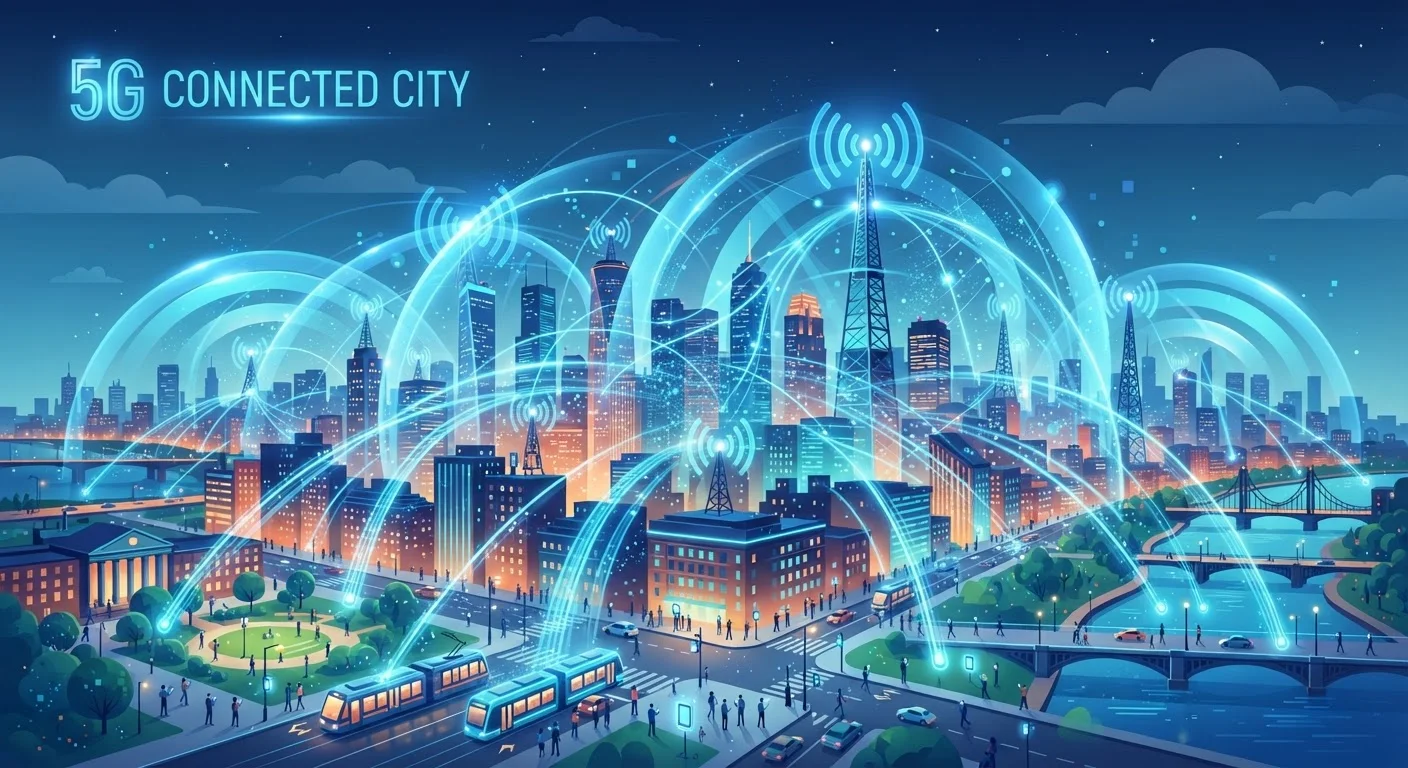
5G is the fifth generation of mobile network technology, designed to carry more data, connect more devices simultaneously, and reduce the delay — called latency — between a device sending a request and receiving a response. Those goals are real, and the engineering behind them is genuinely impressive.
The confusion starts because 5G is not one single experience. It runs on different radio frequency bands, each with different characteristics. Sub-6 GHz 5G uses frequencies similar to existing 4G towers, offering decent coverage over wide areas but modest speed gains. Millimeter wave (mmWave) 5G uses much higher frequencies capable of multi-gigabit speeds — but with a catch: it struggles to travel far or penetrate walls, making it useful mainly in dense urban environments or venues like stadiums.
When carriers market "5G coverage," they often mean the sub-6 GHz variety, which most users will actually encounter. The blazing speeds shown in ads typically reflect mmWave in ideal lab-like conditions. Understanding this gap is the first step toward making a smart device decision. For a broader look at how connectivity specs appear on device listings, see our guide to decoding smartphone specs.
Common 5G Myths — Corrected
Marketing claims and media coverage have produced a set of persistent misconceptions about 5G. Here's an honest look at the most common ones.
Myth
5G is everywhere now, so any 5G phone will be faster than my current device.
Fact
5G coverage is uneven across the U.S., and speed depends heavily on which band is deployed in your specific location.
Nationwide 5G maps can look impressive, but coverage density varies enormously between urban centers, suburbs, and rural areas. Even within a city, the signal your phone latches onto may be low-band 5G — which, in real-world tests, often delivers speeds comparable to strong 4G LTE rather than a dramatic leap forward. Your experience also depends on network congestion, your distance from a tower, and physical obstructions.
Myth
5G will replace home broadband internet soon.
Fact
Fixed 5G home internet is available in select markets, but it is not a universal replacement for traditional broadband.
Some carriers do offer fixed wireless home internet using 5G infrastructure, and in certain locations it performs competitively. However, availability is limited primarily to areas with dense mmWave or mid-band 5G deployment. For most households, fiber or cable connections still provide more consistent speeds and lower latency for bandwidth-heavy activities like video calls, gaming, or streaming on multiple devices simultaneously.
Myth
5G radiation poses a new health risk.
Fact
Major scientific and regulatory bodies have not found evidence that 5G networks present a health hazard at regulated exposure levels.
5G uses non-ionizing radio frequency electromagnetic fields — the same category as FM radio and Wi-Fi. Regulatory agencies, including the FCC and international bodies, set exposure limits based on established science. While research into long-term effects of new technologies is ongoing as a matter of standard scientific practice, there is no established evidence of harm from 5G networks operating within current regulatory limits. Readers with concerns should consult peer-reviewed health authority guidance rather than anecdotal sources.
Note: This is general educational information, not medical advice. Consult a qualified healthcare professional for personal health concerns.Myth
5G phones drain their battery much faster than 4G phones.
Fact
Early 5G devices did show higher battery consumption, but newer chipsets have significantly narrowed this gap.
First-generation 5G modems required more power to maintain a 5G connection, and some early devices managed this poorly. More recent mobile processors integrate 5G modems more efficiently, and many phones now include settings to switch to LTE automatically when 5G provides no benefit — such as when stationary indoors. Battery life is still worth checking in real-world reviews, but the generation of the chip matters far more than the presence of 5G alone.
Myth
You need 5G to stream 4K video on your phone.
Fact
4K streaming on a mobile device works fine over a stable 4G LTE connection with sufficient bandwidth.
4K video streaming typically requires download speeds in the range of 15–25 Mbps under most streaming platform recommendations. A solid 4G LTE connection in an uncongested area can comfortably exceed that threshold. The bottleneck for mobile video quality is usually network congestion, data plan limits, or the platform's own adaptive streaming algorithm — not whether the phone is connected to 5G.
What This Means When You're Choosing a Phone
For most consumers shopping on a budget, 5G capability alone is rarely a strong reason to upgrade. If you primarily use your phone for streaming, social media, messaging, and navigation, a well-maintained 4G LTE device on a reliable network will handle those tasks without friction in most U.S. markets.
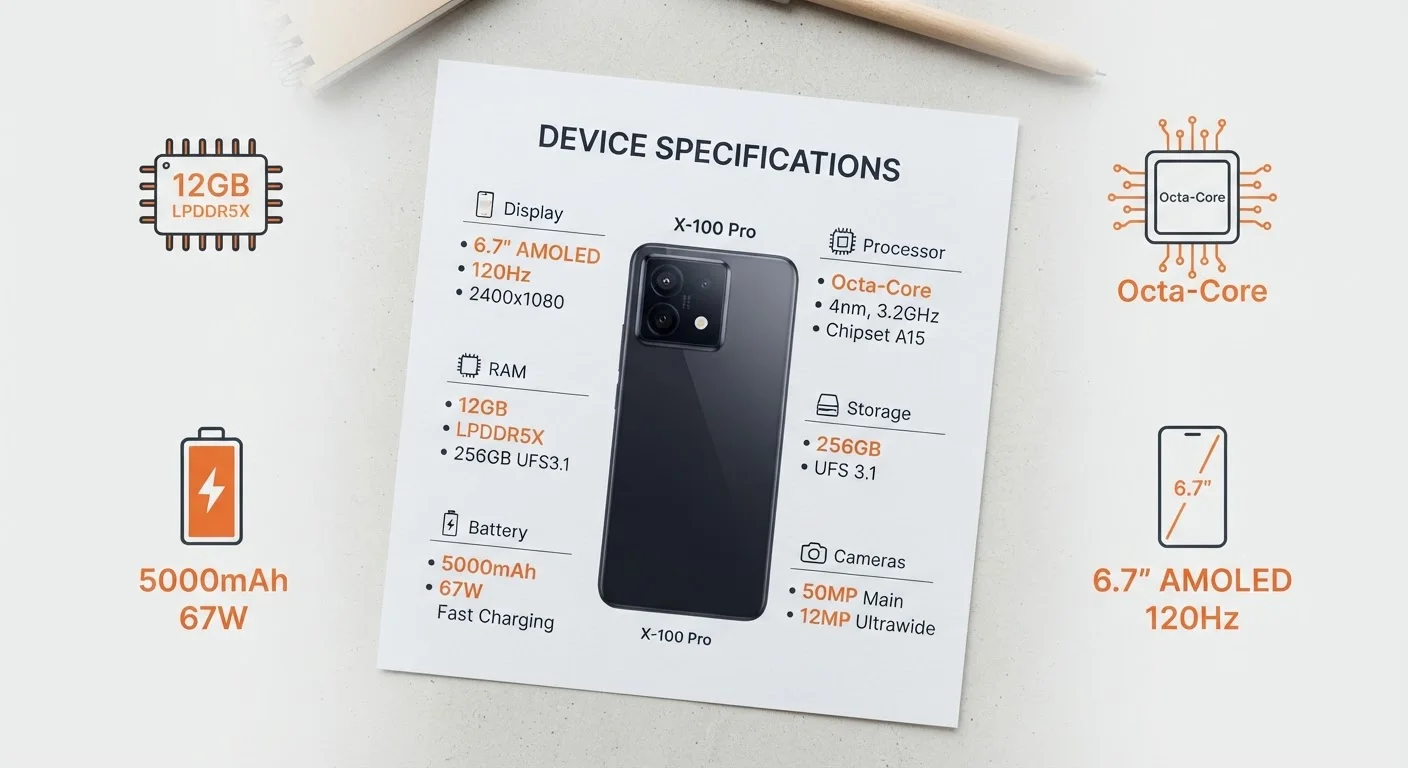
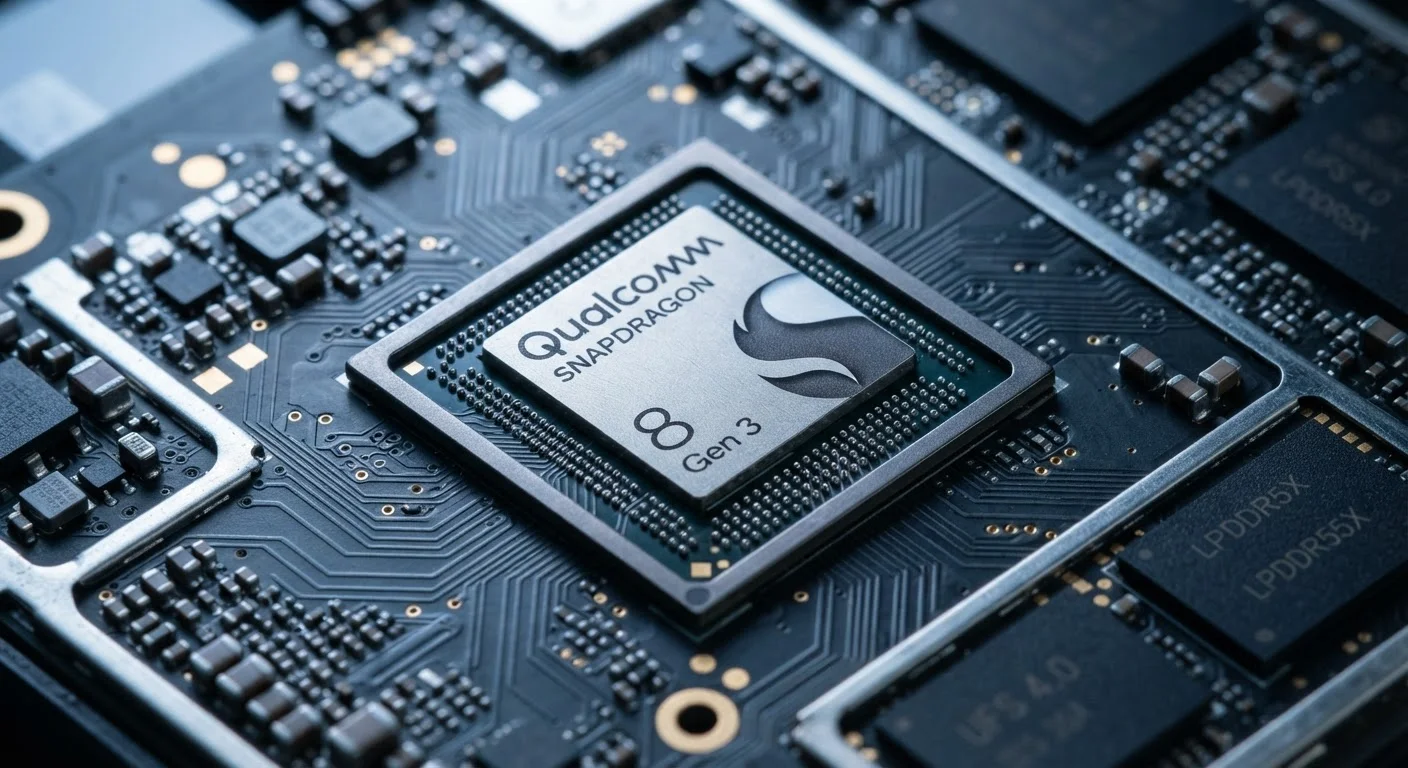
That said, 5G phones are increasingly common at mid-range price points, so you may get the capability as part of a package rather than paying a premium for it specifically. When evaluating a 5G device, the more important questions are about the chip inside it — which affects battery efficiency, camera processing, and long-term software support — rather than the network logo on the box. Our article on how mobile processors affect more than speed explains why the chipset is often the more consequential spec.
If you're buying your first smartphone and feeling uncertain about where to start, the fundamentals guide for first-time smartphone buyers walks through the key decisions in plain language. And if you're wondering how 5G compares to upgrading your home Wi-Fi, our piece on Wi-Fi 6 vs. Wi-Fi 5 offers a useful parallel look at wireless upgrade decisions.
Don't Pay a Premium Purely for 5G
If a device costs significantly more because it includes 5G and you live in an area without robust mid-band or mmWave deployment, that premium may not translate to any noticeable improvement in daily use. Evaluate total value — processor generation, camera quality, software update policy, and battery — before making the network band a deciding factor.