
What Actually Separates Wired from Wireless Audio
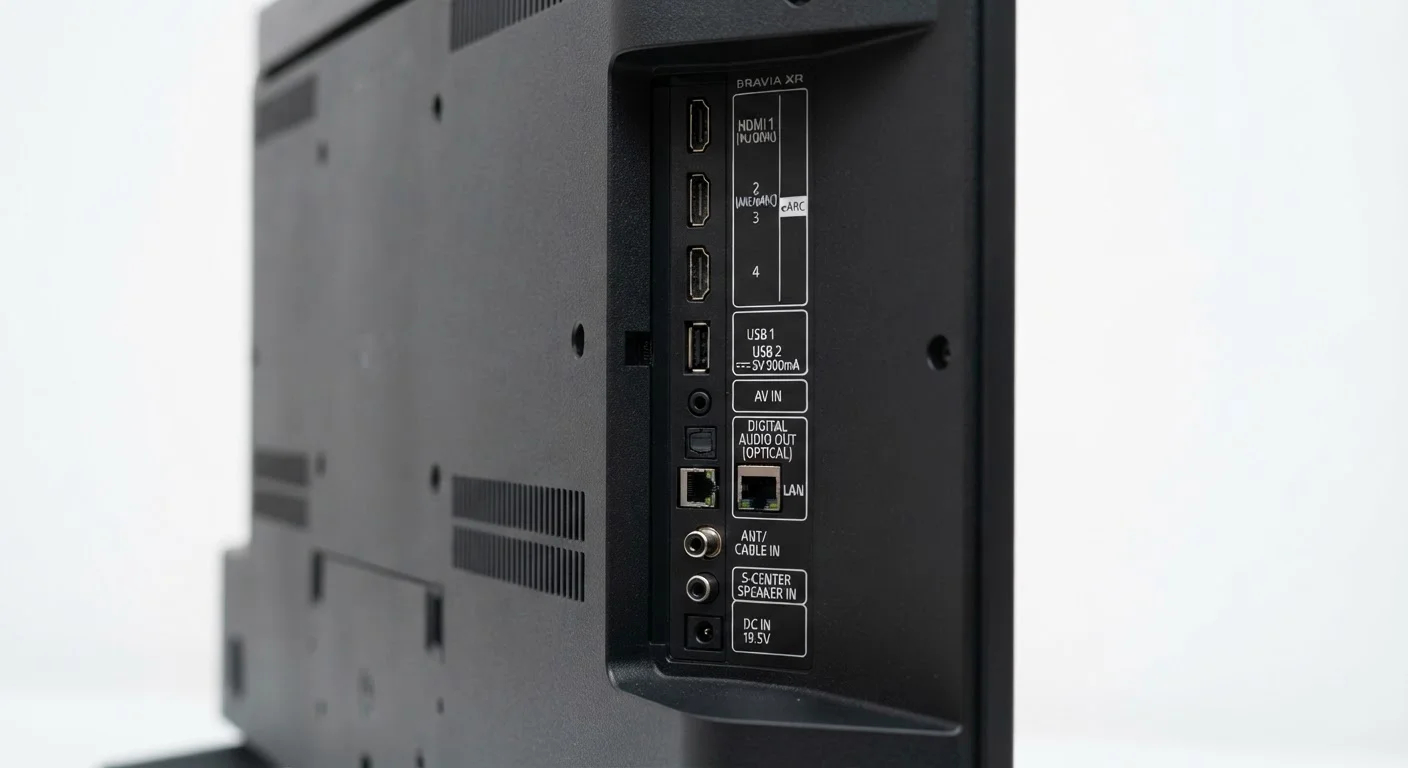
At its core, the difference comes down to how audio signals travel from a source — a receiver, streaming device, or TV — to your speakers. In a wired system, that signal moves through a physical cable: most commonly speaker wire, RCA cables, or optical connections. In a wireless system, the signal is transmitted through Bluetooth or Wi-Fi. For a deeper look at how TV audio connections factor in, see which TV ports matter for audio.
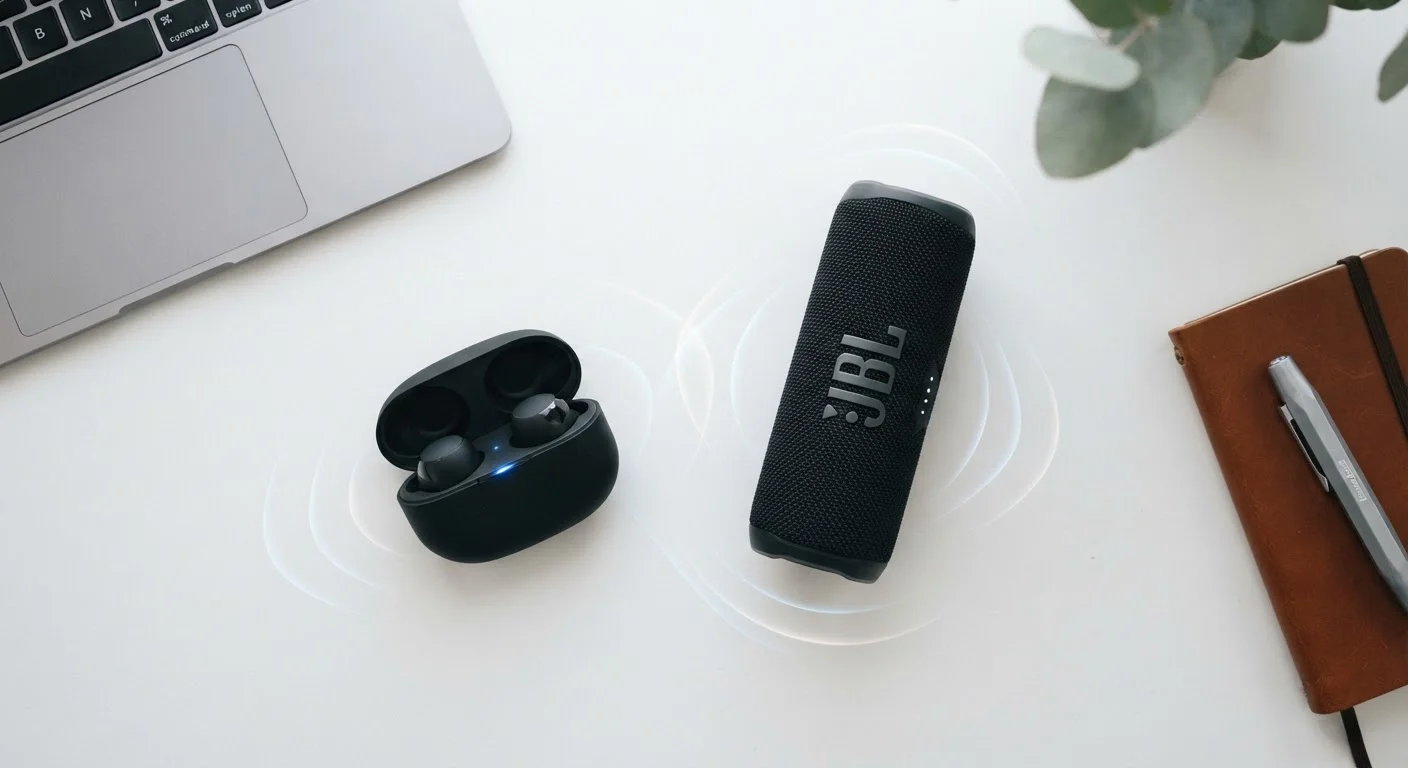
The method of transmission has real downstream effects. Wired signals travel without being compressed or re-encoded in transit. Wireless systems — particularly Bluetooth — must encode the signal before sending and decode it on the other end. This process introduces some degree of audio compression, which can reduce detail in complex music. Modern Bluetooth codecs such as aptX HD and LDAC close this gap meaningfully, but a lossless wired connection still has a technical edge. For more on how Bluetooth version affects sound, see how Bluetooth versions affect audio quality.
| Criterion | Wired Home Audio | Wireless Home Audio |
|---|---|---|
| Audio signal quality | Uncompressed, consistent | Codec-dependent; some compression |
| Setup difficulty | Complex; cable routing required | Simple; app-based pairing |
| Portability | Fixed installation | Repositionable, room-to-room |
| Multi-room capability | Possible but complex to wire | Built-in with compatible systems |
| Network dependency | None | Relies on Wi-Fi or Bluetooth |
| Long-term reliability | Very high; few failure points | Moderate; software/platform risk |
| Latency (audio sync) | Near zero | Low to moderate; varies by protocol |
| Ideal for | Home theaters, dedicated rooms | Multi-room, casual, rental homes |
Setup, Installation, and Everyday Use
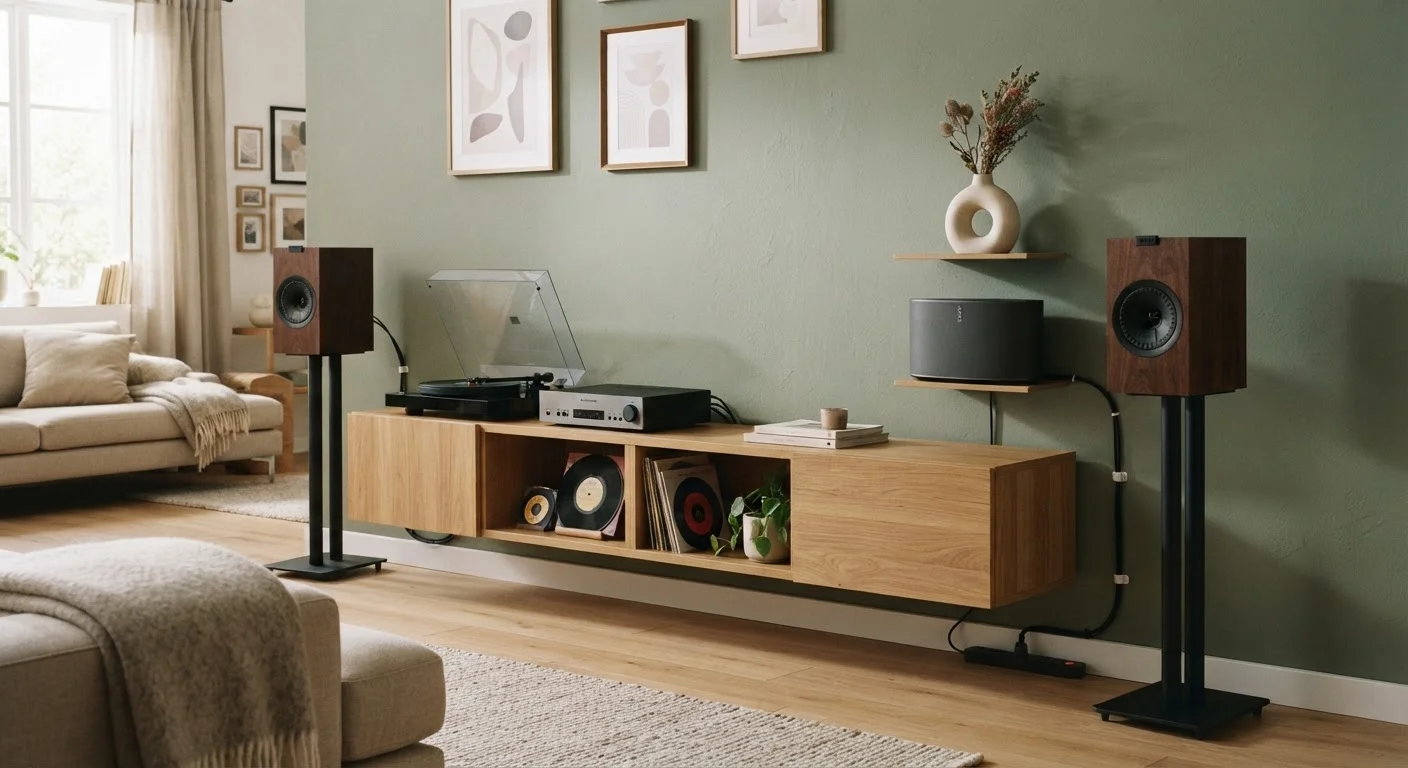
Wired audio requires upfront effort. Running speaker cables neatly through a room — ideally along baseboards, through walls, or beneath flooring — takes planning. For permanent installations, many homeowners hire an installer or spend a weekend carefully routing cables out of sight. Once complete, the system is stable, tidy, and requires almost no ongoing maintenance.
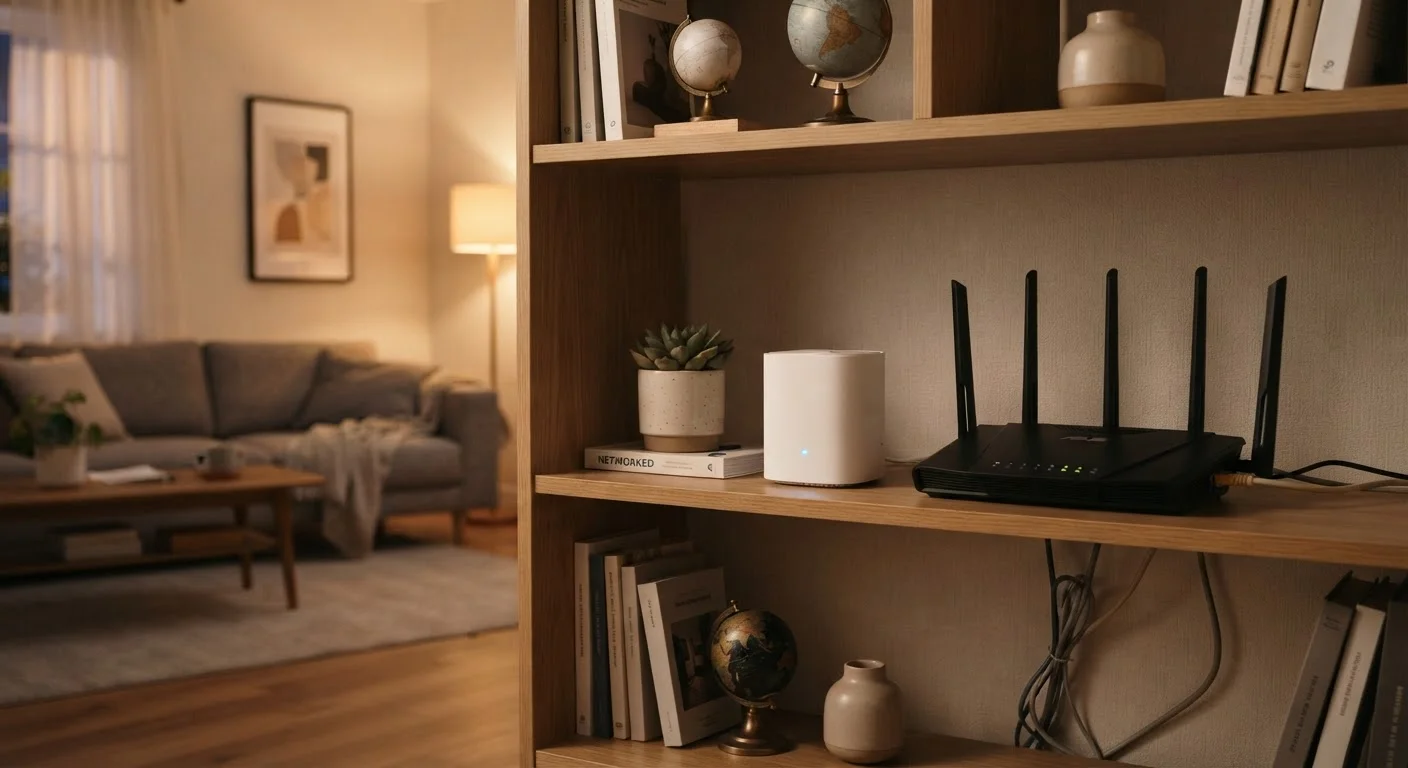
Wireless systems lower the barrier to entry considerably. Most connect to your home network or pair via Bluetooth within minutes. Multi-room wireless systems let you group speakers by zone and control everything from a smartphone app. The tradeoff is dependency: your audio quality and reliability are tied to your home network's performance. A congested or inconsistent Wi-Fi signal can cause dropouts, latency, or playback gaps. If your network coverage is uneven, understanding mesh Wi-Fi vs. extenders can help you decide how to improve it before investing in wireless speakers.
Long-Term Reliability and Flexibility
Wired setups have fewer moving parts — literally. There are no batteries to degrade, no firmware updates that might change functionality, and no wireless protocol to become obsolete. A well-installed wired system can operate without meaningful changes for a decade or more.
Wireless systems offer flexibility that wired cannot match: you can reposition speakers, add a zone, or take a speaker to another room with no rewiring. However, they also introduce more variables. Wireless audio ecosystems are often tied to manufacturer apps and cloud services. If a company discontinues software support or shuts down its platform, older wireless speakers may lose key functionality. It's a consideration worth weighing for long-term value.
For listeners curious about how smart features layer on top of wireless audio, what smart speakers can and cannot do offers useful context on the capabilities and limitations of connected audio devices.
~300ms
Typical Bluetooth audio latency without low-latency codecs
Standard Bluetooth audio can introduce noticeable delay; aptX Low Latency and similar codecs can reduce this to around 40ms, though codec availability varies by device.
24-bit/192kHz
Maximum lossless audio resolution over wired connections
Wired connections supporting formats like HDMI eARC can carry full lossless audio at high resolutions, beyond what most compressed wireless protocols currently transmit.
30–100 ft
Practical indoor Bluetooth range
Bluetooth 5.0 specifies a theoretical range of up to 800 feet in open air, but walls, interference, and obstacles typically reduce practical indoor range significantly.
Which Setup Makes Sense for Your Home?
The honest answer is that many households benefit from elements of both. A wired setup anchored in a living room or home theater paired with wireless speakers in the kitchen or bedroom is a practical middle ground many audio enthusiasts settle on.
If you're starting from scratch, think about three questions: How permanent is your setup? How important is maximum audio fidelity? And how comfortable are you managing a home network? Renters, frequent movers, and casual listeners will generally find wireless systems serve them better. Homeowners building a dedicated listening space or home theater who value consistent, high-quality audio will likely favor wired — or at minimum a wired foundation with wireless additions where cabling is impractical.
Budget matters too. Entry-level wireless speakers can be very affordable, but a capable wireless multi-room system — with strong network infrastructure to support it — can run into significant cost. Wired systems can scale widely depending on the receiver and speakers you choose. Neither format has a monopoly on either affordability or expense.