
What Smart Speakers Are Actually Designed to Do
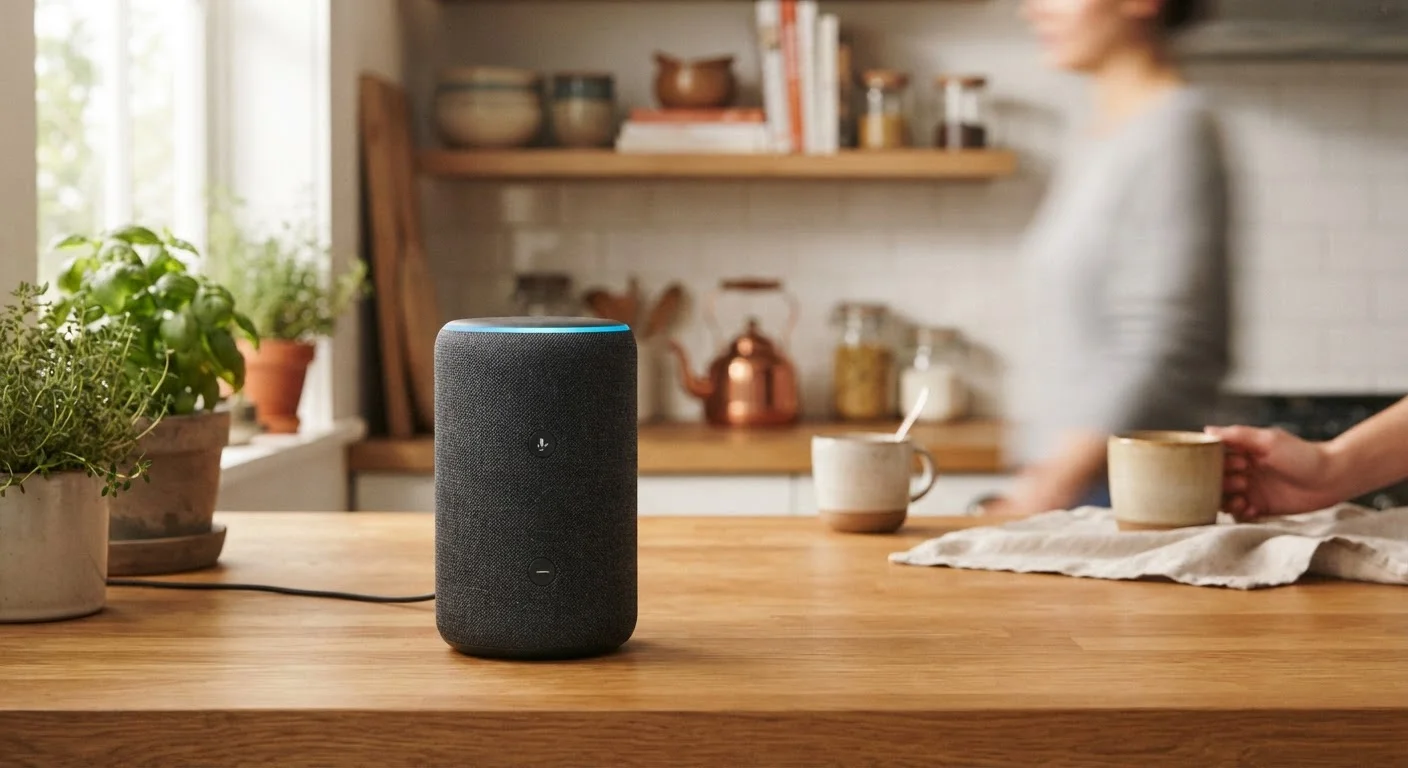
A smart speaker combines a wireless speaker with a cloud-connected voice assistant — typically one of the major platforms like Amazon Alexa, Google Assistant, or Apple Siri. When you speak a wake word, the device records your request, sends it to remote servers for processing, and delivers a spoken response or triggers an action. The whole exchange usually takes just a second or two.
This architecture means smart speakers are genuinely strong at tasks that are simple, repeatable, and well-defined. Setting a kitchen timer while your hands are covered in dough, playing a specific playlist, converting cups to milliliters, or adding milk to a shared shopping list — these are the interactions these devices were purpose-built for, and they handle them reliably.
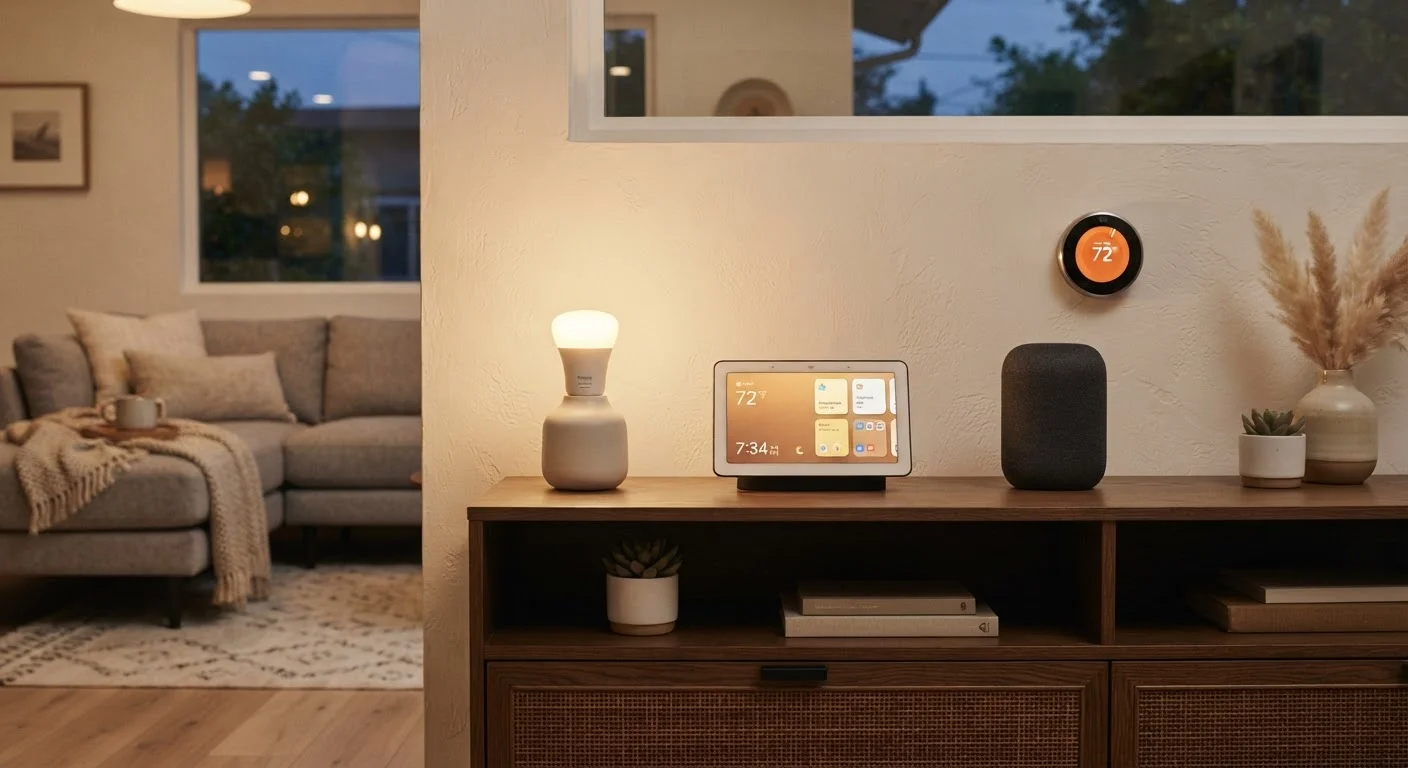
They also function as a control layer for compatible smart home devices: lights, thermostats, locks, and plugs that support the same ecosystem. For a deeper look at how that fits into a broader connected home, see what smart home hubs actually do.
The Real Advantages
Once you understand the design intent, the practical upsides become clear.
Genuinely hands-free operation for everyday tasks
Setting timers, playing music, and checking the weather all work without touching a screen. This is especially useful in kitchens, workshops, or other contexts where your hands are occupied.
Simple voice control for smart home devices
Within a compatible ecosystem, smart speakers can adjust lighting, control thermostats, and manage smart plugs using plain spoken commands — no app navigation required.
Low barrier to entry for voice-based home automation
Smart speakers are among the most affordable entry points into a connected home setup, making them accessible for households that are just starting to explore home automation.
Useful accessibility tool for many users
Hands-free, screenless interaction benefits people with limited mobility, low vision, or other needs that make touchscreen devices harder to use comfortably.
Quick answers for simple factual questions
Unit conversions, basic math, sports scores, and dictionary definitions are handled quickly and accurately — reducing the need to reach for a phone for routine lookups.
One underrated benefit is accessibility. For people with mobility limitations or visual impairments, a voice-first interface can meaningfully reduce friction in daily routines — controlling devices, making calls, or getting quick information without touching a screen.
Where Smart Speakers Fall Short
The same cloud-dependent, voice-first design that makes smart speakers convenient also creates real limitations that shoppers should weigh honestly.
Always-on microphone raises privacy concerns
The device listens continuously for a wake word, and accidental activations can result in short audio clips being sent to company servers. Users should review privacy settings and use the hardware mute button when appropriate.
Voice recognition struggles in noisy environments
Background noise — a running dishwasher, a television, a busy household — can make wake-word detection and command accuracy noticeably less reliable.
Dependent on a stable internet connection
Nearly all smart speaker functions require cloud connectivity. During an outage, even basic requests like playing music or setting a timer may fail entirely.
Audio quality is modest compared to dedicated speakers
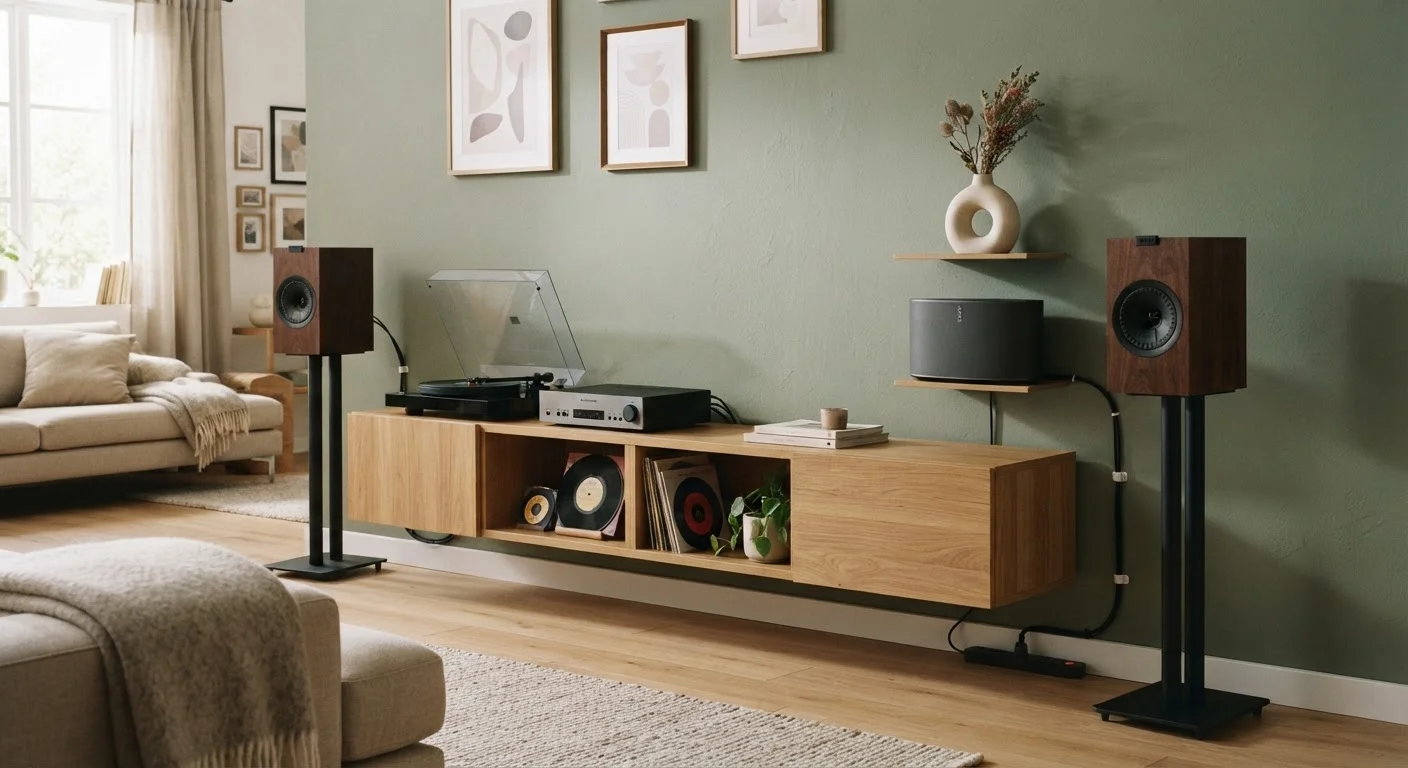
The small drivers and sealed enclosures in most smart speakers prioritize compact form over sound fidelity, making them a poor substitute for a speaker designed primarily for music listening.
Limited usefulness for nuanced or research-style questions
Voice assistants are optimized for brief, conversational exchanges. Complex questions about health, finance, or technical topics often produce oversimplified or incomplete answers.
Ecosystem lock-in can limit device compatibility
A smart speaker tied to one platform may not integrate well with smart home devices from a different ecosystem, potentially forcing redundant purchases or workarounds.
Audio quality is a frequent disappointment for music enthusiasts. The compact drivers inside most smart speakers cannot match a dedicated wireless speaker or a wired setup. If music fidelity matters to you, it's worth reviewing the tradeoffs between wired and wireless home audio before committing to a smart speaker as your primary listening device.
Privacy: The Tradeoff You Should Understand
Every smart speaker listens for its wake word continuously. While manufacturers say audio is only transmitted after the wake word is detected, independent researchers have documented cases of accidental activations — where a similar-sounding word triggers recording unintentionally.
What Happens to Your Voice Data
When a smart speaker activates, a short audio clip is typically sent to the manufacturer's cloud servers for processing. Most platforms allow you to review, listen to, and delete your stored voice history through their companion apps or account settings. Enabling auto-deletion of recordings on a short rolling window — often 3 or 18 months, depending on the platform — is a straightforward step that most users never take but probably should.
This does not mean smart speakers are inherently unsafe, but it does mean every household should make a deliberate, informed choice. Practical steps — muting the microphone when not in use, reviewing your voice history in the companion app, and keeping the device's software updated — meaningfully reduce exposure. For a broader look at managing connected device risk, see practical security habits for smart home devices.
Smart Speakers vs. Other Devices: Knowing the Overlap
Smart speakers overlap with several other product categories, which can create confusion about what you actually need. They are not a replacement for a dedicated smart home hub if you have many devices across different protocols — a hub offers local processing and broader compatibility that a voice assistant alone cannot match.
Similarly, they should not be your go-to research tool for important decisions. The voice assistant behind a smart speaker is designed for quick, conversational answers, not nuanced analysis. For context, a similar pattern plays out with digital wellness tools: convenience is real, but scope is limited — much like the honest assessment in what digital mental wellness tools can realistically help with.
If your household uses a smart TV with its own built-in assistant, you may find meaningful overlap with what a smart speaker provides. Understanding what smart TV platforms actually offer can help you avoid buying features you already have.