
What Each Service Actually Does
These two services sound like they could overlap, but they work on entirely different problems.
Tire rotation is the process of moving your tires from one wheel position to another — front to back, side to side, or in a cross pattern — depending on your vehicle's drivetrain. The goal is to equalize wear. Front tires on front-wheel-drive vehicles, for example, handle both steering and power delivery, so they wear down faster than the rears. Rotating them regularly distributes that stress more evenly across all four tires.
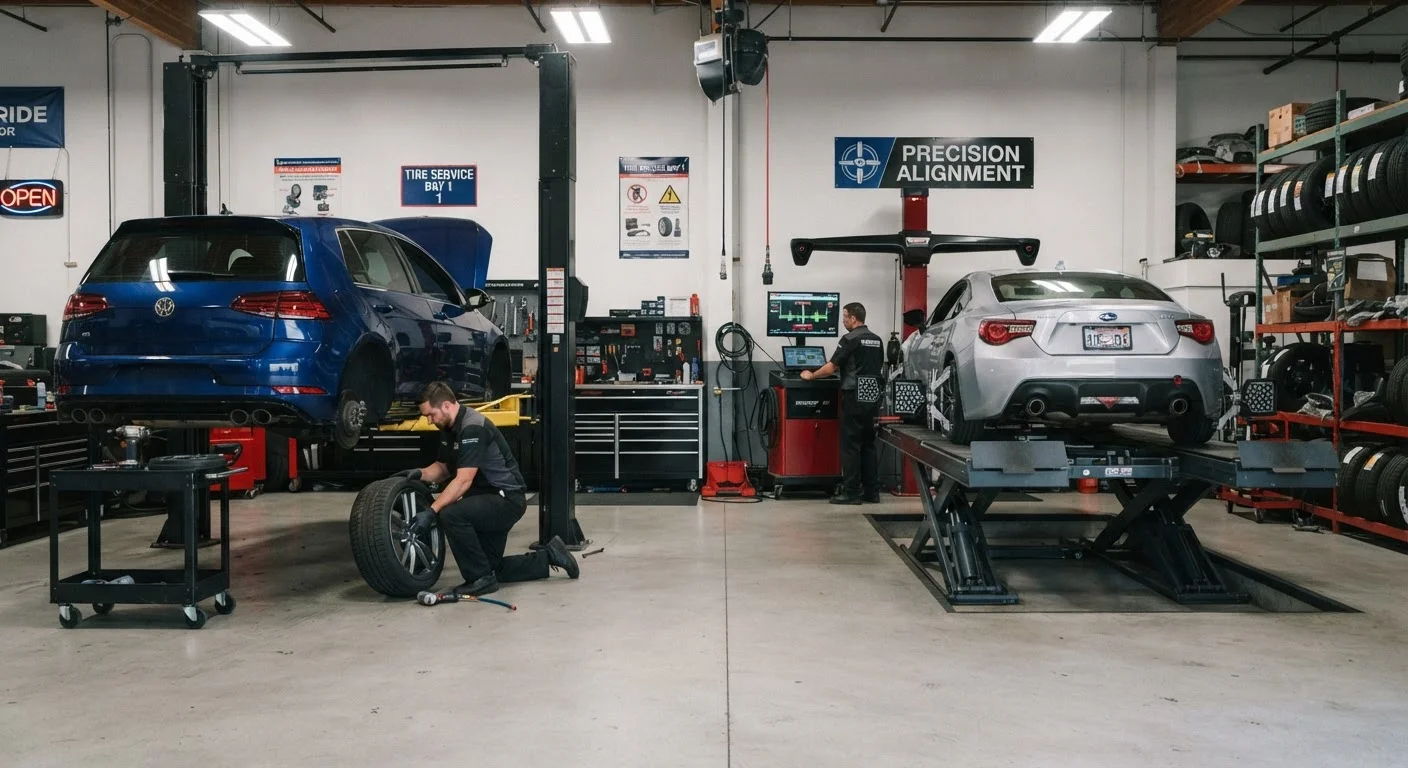
Wheel alignment — sometimes called a wheel or tire alignment — is an adjustment to the angles at which your tires make contact with the road. Mechanics use specialized equipment to bring three key angles (called camber, toe, and caster) back into the manufacturer's specified range. When those angles drift out of spec, your vehicle may pull in one direction, your steering wheel may sit crooked even on a straight road, or your tires may wear in an unusual pattern on one edge.
Think of it this way: rotation is about where your tires sit on the car; alignment is about how they sit against the road. Both matter, but neither one substitutes for the other. For a broader view of how these services fit into your overall maintenance plan, see Your Car's Maintenance Schedule, Explained.
| Criterion | Tire Rotation | Wheel Alignment |
|---|---|---|
| What it does | Moves tires to new wheel positions | Corrects wheel angle to spec |
| Typical interval | Every 5,000–7,500 miles | Annually or after impacts |
| Equipment required | Lift and basic tools | Specialized alignment machine |
| Main benefit | Even tread wear across all tires | Straight tracking, reduced edge wear |
| Common trigger | Mileage interval reached | Pulling, crooked wheel, pothole impact |
| Affects handling? | Indirectly over time | Yes, directly and immediately |
How Often Each Service Is Needed
Rotation intervals vary by vehicle and tire type, but a commonly cited guideline from tire manufacturers and automotive industry sources is every 5,000 to 7,500 miles. Many drivers simply schedule a rotation with every oil change, which makes it easy to stay consistent.
Alignment doesn't follow the same rigid mileage interval. Most mechanics suggest having your alignment checked roughly once a year, or whenever you notice symptoms — pulling, vibration, or uneven tread wear. You should also have it inspected after a significant impact, like bottoming out in a deep pothole or striking a curb at speed. New tires are often a good trigger for an alignment check, too, since misalignment can prematurely wear down a brand-new set.
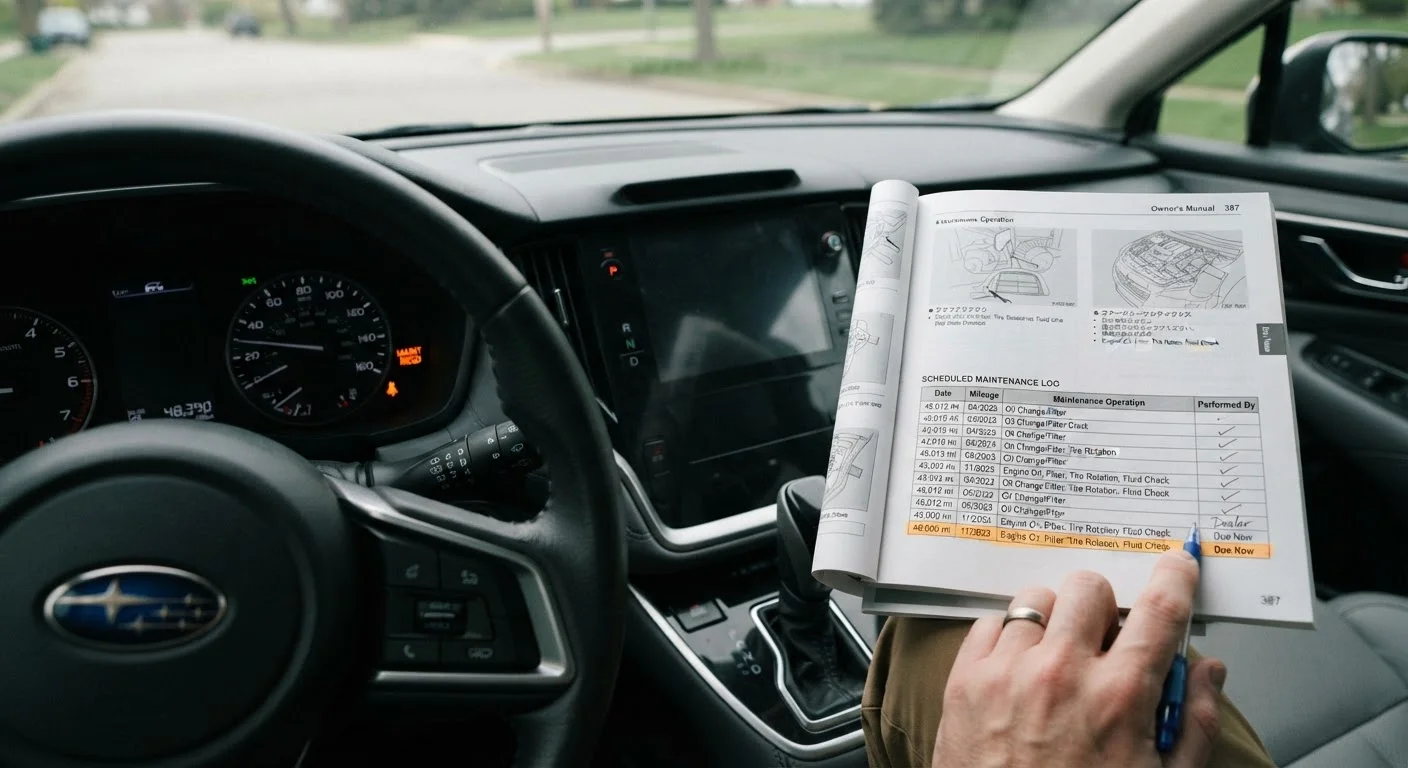
Tracking both services is easier when you keep a written record. Keeping a Vehicle Maintenance Log explains why that kind of documentation pays off — both for spotting recurring issues and for protecting your vehicle's warranty.
5,000–7,500 mi
Recommended tire rotation interval
This range is commonly cited by tire manufacturers and aligns with many oil-change intervals, making it easy to bundle both services.
~$75–$200
Typical wheel alignment cost (varies by region and vehicle type)
Alignment pricing varies widely by shop, vehicle, and whether two-wheel or four-wheel alignment is required — always confirm scope before authorizing service.
45,000–60,000 mi
Average tire lifespan with proper maintenance
Consistent rotation and correct inflation are among the most cited factors in achieving the upper range of a tire's rated tread life.
Warning Signs That Tell You Which Service You Need
The symptoms pointing toward each service are fairly distinct once you know what to look for.
Signs you're overdue for a rotation:
- Noticeable difference in tread depth between your front and rear tires
- One pair of tires wearing faster than the other pair
- Your tire manufacturer's mileage recommendation has passed
Signs you may need an alignment:
- The car drifts or pulls to one side on a flat, straight road
- Your steering wheel isn't centered when driving straight
- Tires show heavy wear on just one edge (inside or outside of the tread)
- You recently hit something hard — a pothole, a curb, or road debris
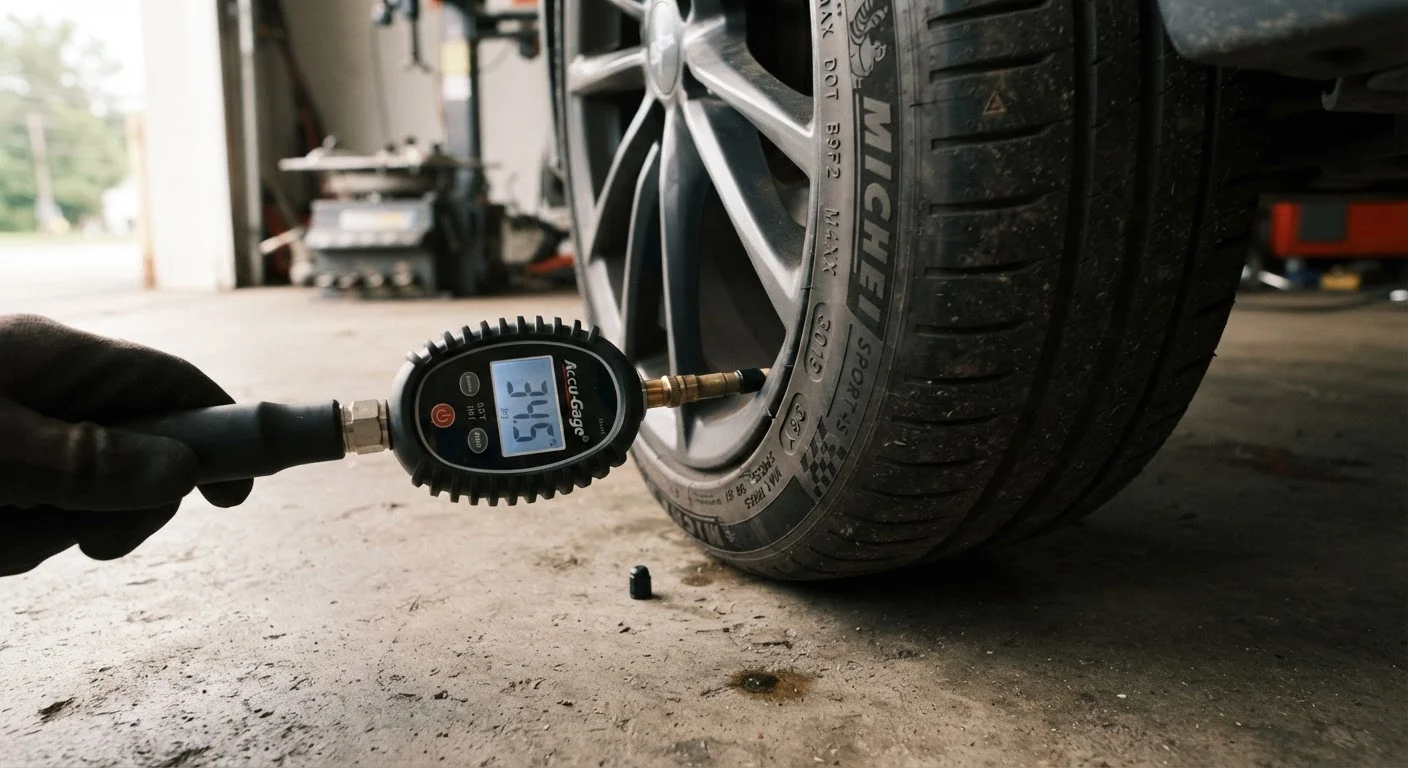
It's worth noting that some wear patterns can result from both misalignment and inflation issues. Tire Pressure and Why It Affects More Than Just Your Fuel Economy covers how over- or under-inflation creates its own distinct wear signatures — worth ruling out before assuming the cause is alignment alone.
Rotation Patterns Vary by Drivetrain
Not every vehicle uses the same rotation pattern. Front-wheel-drive, rear-wheel-drive, all-wheel-drive, and four-wheel-drive vehicles each have recommended patterns. Some performance tires are directional or staggered, meaning they can only rotate front-to-back on the same side — they can't be crossed. Check your owner's manual or ask a qualified mechanic which pattern applies to your vehicle.