
Why Paint Finish Matters More Than Color
Most homeowners spend the most time choosing paint color, but finish — also called sheen level — has just as much impact on how a room looks and how well the paint holds up. Finish determines how much light a surface reflects, how easy it is to clean, and how forgiving it is over imperfect drywall. Choosing the wrong finish for a room is one of the most common and fixable painting mistakes.
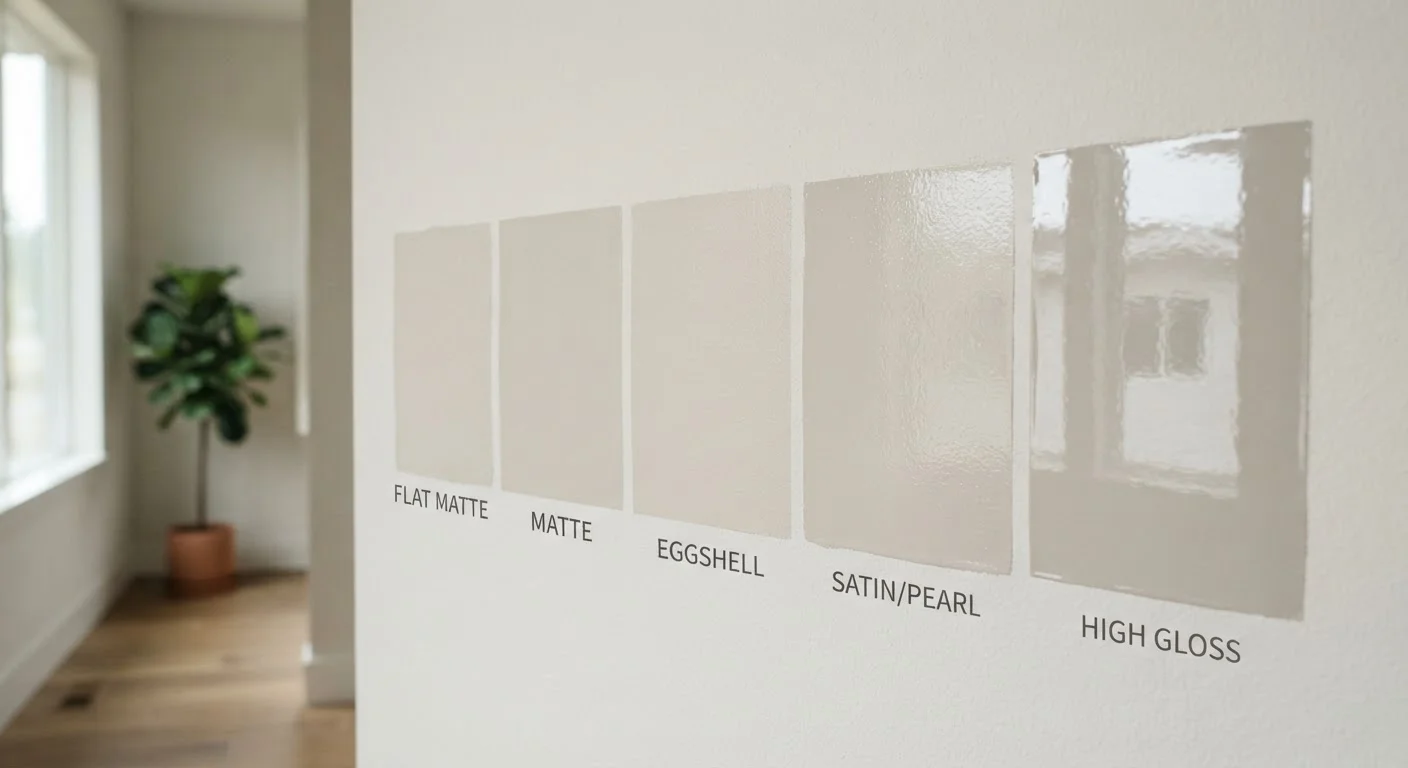
The five standard interior paint finishes, from least to most reflective, are: flat, eggshell, satin, semi-gloss, and gloss. Each has a specific role. Understanding that role helps you avoid repainting a bathroom ceiling six months later because moisture turned it chalky, or watching a flat-painted kitchen wall absorb grease with no way to wipe it clean.
Sheen
The degree of light reflectivity in a dried paint film. Higher sheen means more light bounces off the surface, making it look shinier and generally more durable.
Flat finish
A paint finish with no measurable sheen. It absorbs light, hides surface imperfections well, but is difficult to clean without damaging the coating.
Eggshell finish
A low-sheen paint finish slightly more reflective than flat. It allows light wiping and suits moderate-traffic rooms where a matte look is preferred.
Satin finish
A mid-range sheen finish with a soft, velvety appearance. It offers good cleanability and moisture resistance, making it suitable for active living areas.
Semi-gloss finish
A visibly shiny, highly durable paint finish. It resists moisture and scrubbing, making it ideal for bathrooms, kitchens, and trim surfaces.
Gloss finish
The most reflective standard paint finish, creating a hard, washable surface. It amplifies surface imperfections and is typically reserved for cabinetry, trim, and furniture.
The Five Finishes, Defined
Here is a plain-language breakdown of each finish and where it works best.
Flat (Matte)
Flat paint contains no sheen. It absorbs light rather than reflecting it, which makes it excellent at hiding surface flaws — uneven texture, patched areas, or older drywall with imperfections. The tradeoff: it is not washable. Scuffing or scrubbing flat paint typically leaves marks or removes the finish itself. Best use: adult bedrooms, formal dining rooms, ceilings, and low-traffic walls where aesthetics matter more than durability.
Eggshell
Eggshell sits just above flat. It has a very low sheen — roughly comparable to the surface of an eggshell — and it tolerates gentle wiping. It still hides minor imperfections reasonably well while being significantly more durable than flat. Best use: living rooms, hallways, and adult bedrooms where some cleanability is useful without a high-shine look.
Satin
Satin has a soft, velvety sheen that is noticeably reflective in direct light. It cleans up well and resists moisture and staining better than eggshell. It does show application marks (brush strokes, roller lines) more readily, so surface prep and technique matter more. Best use: kitchens, children's bedrooms, playrooms, and family rooms that see regular activity and occasional spills.
Semi-Gloss
Semi-gloss is visibly shiny and highly durable. It repels moisture, resists mildew, and wipes clean easily — making it the workhorse finish for wet and high-contact areas. It will highlight any surface imperfection, so proper prep is essential. Best use: bathrooms, kitchens, laundry rooms, trim, doors, and window casings.
Gloss (High-Gloss)
High-gloss is the most reflective and the most durable finish available. It creates a hard, almost lacquer-like surface that stands up to heavy scrubbing and frequent moisture. It amplifies every bump, nail hole, and imperfection on a surface, so it is almost never used on large wall areas. Best use: cabinetry, furniture, trim accents, and decorative elements where maximum durability or a bold visual statement is the goal.
| Finish with least sheen | Flat (matte) |
| Finish with most sheen | Gloss (high-gloss) |
| Best finish for ceilings | Flat |
| Best finish for bathrooms | Semi-gloss |
| Most forgiving of wall imperfections | Flat finish |
| Most durable for heavy scrubbing | Gloss finish |
| Best all-around interior wall finish | Eggshell or satin (room-dependent) |
Quick Room-by-Room Guide
If you are painting multiple rooms and want a fast reference, here is a practical starting point. These are general guidelines — local humidity levels, how your household uses a space, and the condition of your walls can all shift the right call.
- Ceilings: Flat. Ceiling paint is typically sold as flat by default for good reason — it diffuses light evenly and hides seams.
- Living and dining rooms: Eggshell or satin for walls; flat if walls are textured or imperfect.
- Bedrooms: Flat or eggshell depending on traffic and whether children use the room.
- Kitchens: Satin for walls, semi-gloss for cabinets and trim.
- Bathrooms: Semi-gloss throughout; some painters prefer satin on walls and semi-gloss on trim.
- Trim, doors, and baseboards: Semi-gloss or gloss across the entire home.
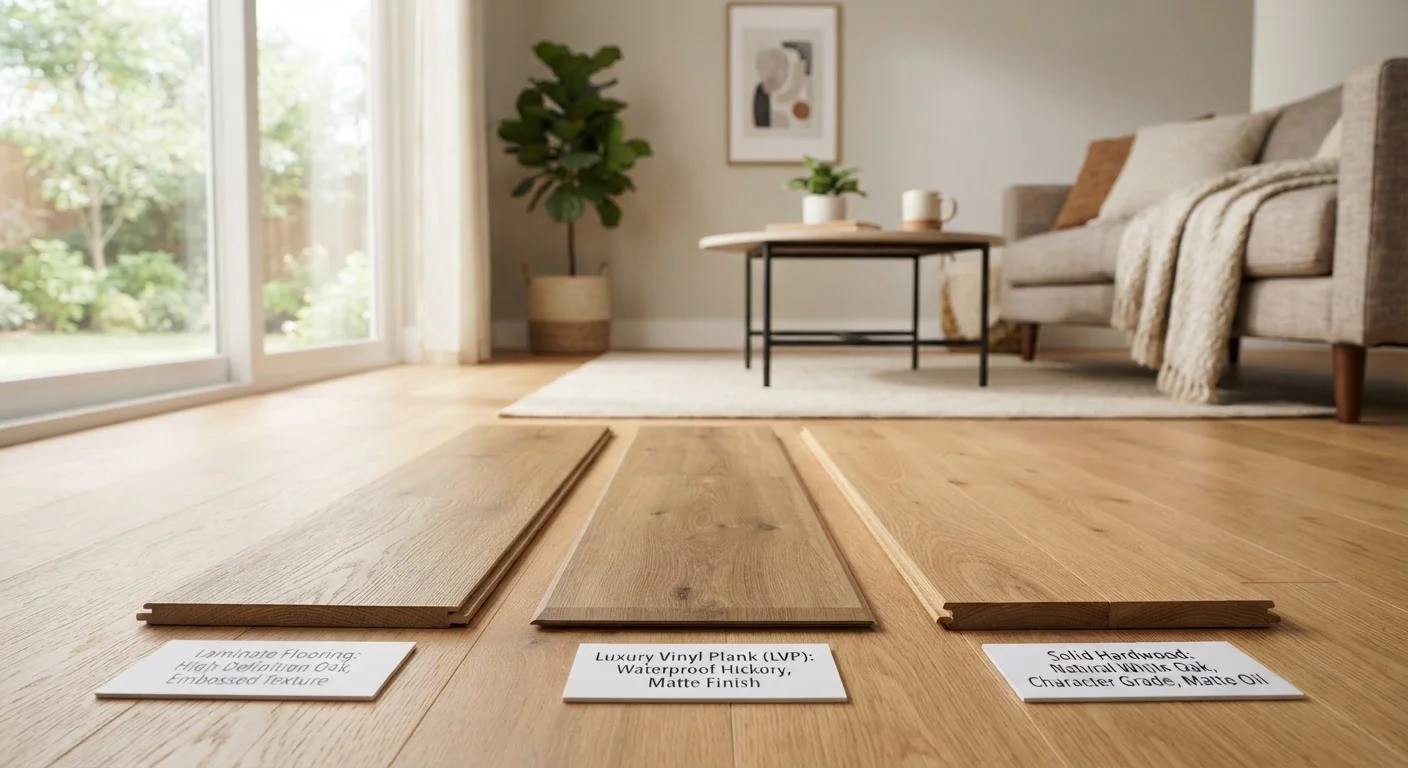
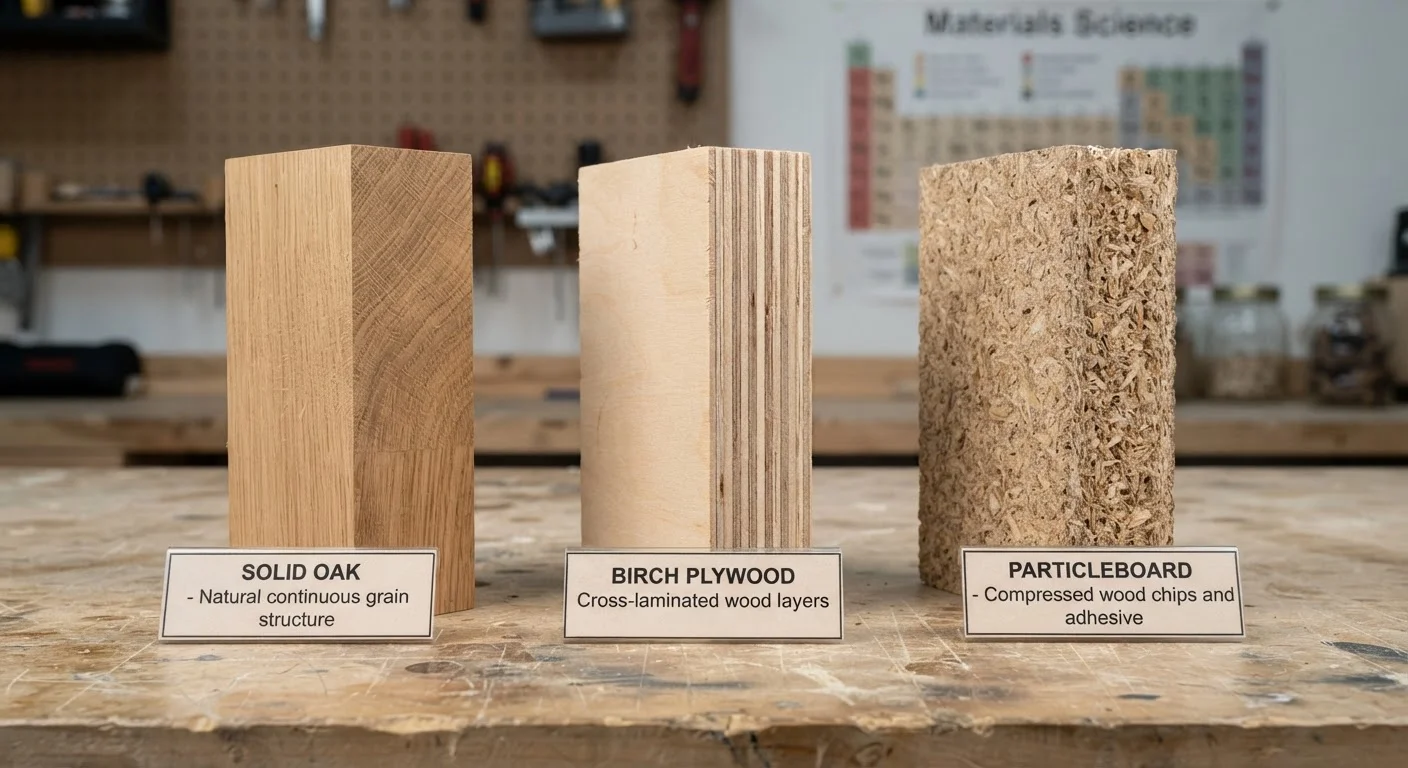
Just as material selection drives durability decisions in flooring — see our guide on laminate, vinyl plank, and hardwood flooring — paint finish is a practical durability decision, not just an aesthetic one. And if you are refreshing a room that includes new furniture, understanding material quality matters too: our article on solid wood, engineered wood, and particleboard can help you make smarter investments across the whole space.