
Why Insulation Type Matters More Than You Might Think
Walk into a hardware store and you'll find insulation products stacked floor to ceiling, all promising to cut your energy bills. But not every type performs equally well in every location, and choosing the wrong one — or installing it incorrectly — can leave noticeable gaps in your home's thermal envelope.
Insulation works by trapping air (or in some cases, gas) within its structure, slowing the movement of heat. What differs between products is how they trap that air, where they can be installed, and how well they hold up over time. Understanding the basics helps you ask better questions and make more confident decisions, whether you're taking on a weekend project or hiring a contractor.
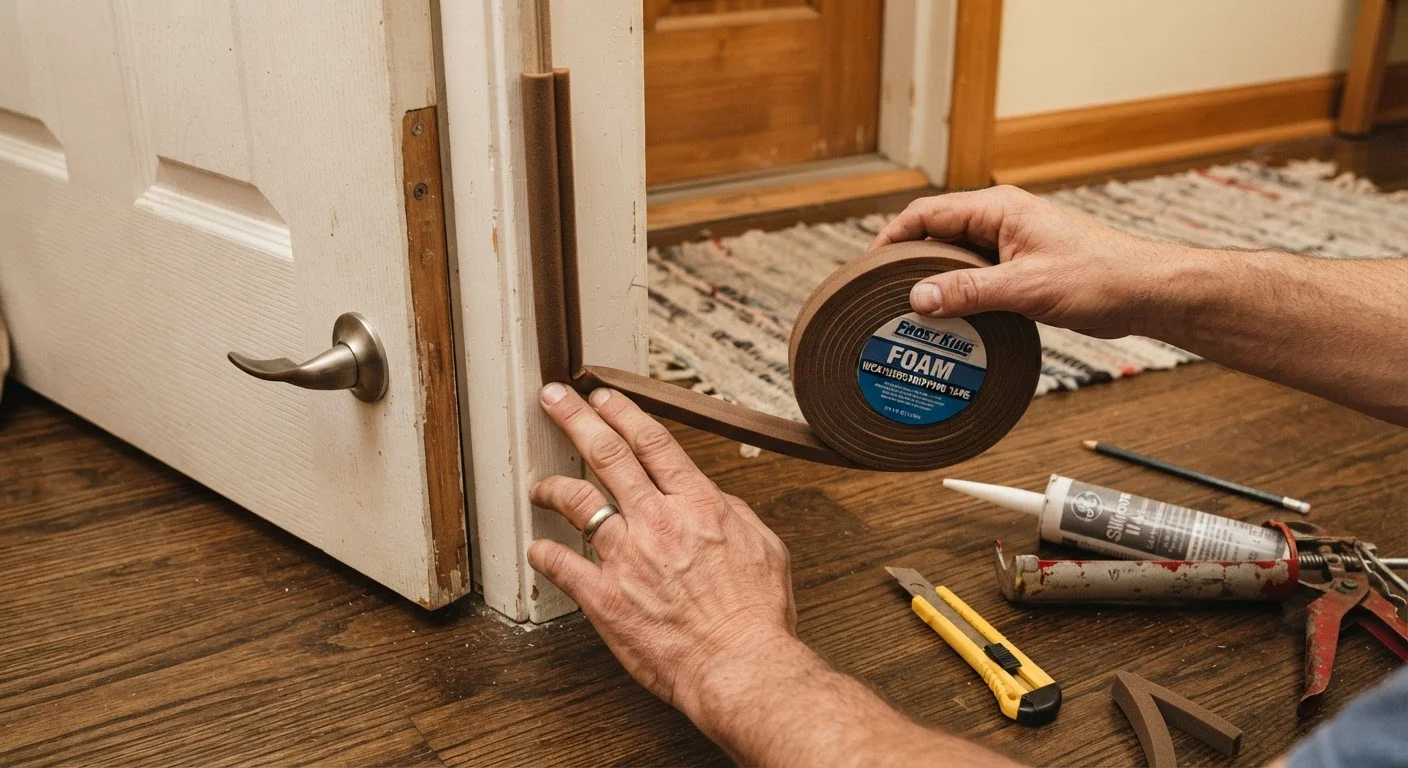
It's also worth noting that insulation and air sealing are related but distinct needs. Even perfectly rated insulation won't eliminate drafts from gaps around outlets, pipes, or window frames. For guidance on tracking down those leaks, see our weekend weatherproofing walkthrough.
Batt and Roll Insulation: The Familiar Pink Stuff
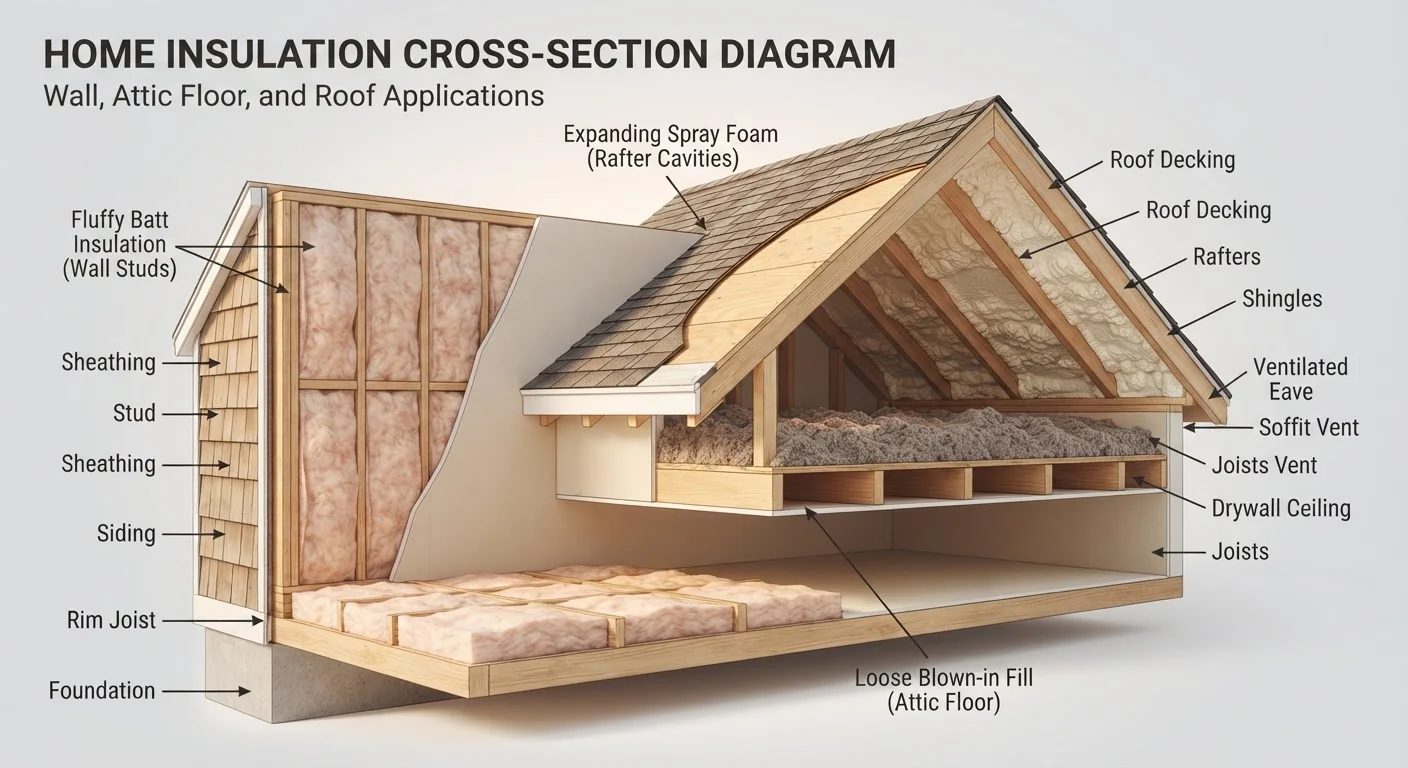
Batt insulation — the pre-cut blankets most people picture when they think of insulation — is typically made from fiberglass or mineral wool (also called rock wool or slag wool). It comes in widths sized to fit standard stud and joist spacing, making it practical for open wall cavities, attic floors, and floors over unheated crawl spaces.
Fiberglass batts are widely available and among the more affordable options per square foot. Mineral wool batts cost somewhat more but are naturally fire-resistant, handle moisture better, and provide modest soundproofing — useful between floors or in rooms where noise matters.
The biggest pitfall with batts is improper installation. Compressing the material reduces its R-value. Gaps around electrical boxes, pipes, or irregular framing allow heat to bypass the insulation entirely. For DIYers, meticulous fitting is as important as the product itself.
Check for Voids Before Closing Walls
Before drywall goes up, run your hand slowly along each batt to feel for gaps around outlets, pipes, and corners. Even small voids reduce real-world performance noticeably. Use cut pieces of the same batt material to fill any irregular spaces snugly — without compressing the surrounding insulation.
Blown-In Insulation: Filling the Gaps Existing Batts Can't Reach
Blown-in insulation — also called loose-fill — consists of small particles of fiberglass, cellulose (recycled paper), or mineral wool blown into place using a hose and machine. It's particularly effective in attics with irregular joist spacing, areas with existing obstructions, or anywhere batts would be difficult to cut and fit precisely.
Cellulose is a popular choice among homeowners looking to add R-value to an existing attic without a major renovation. It settles into corners and around obstacles naturally, leaving fewer voids than batts would in the same space. Some hardware stores rent blowing machines when you purchase a minimum quantity of material.
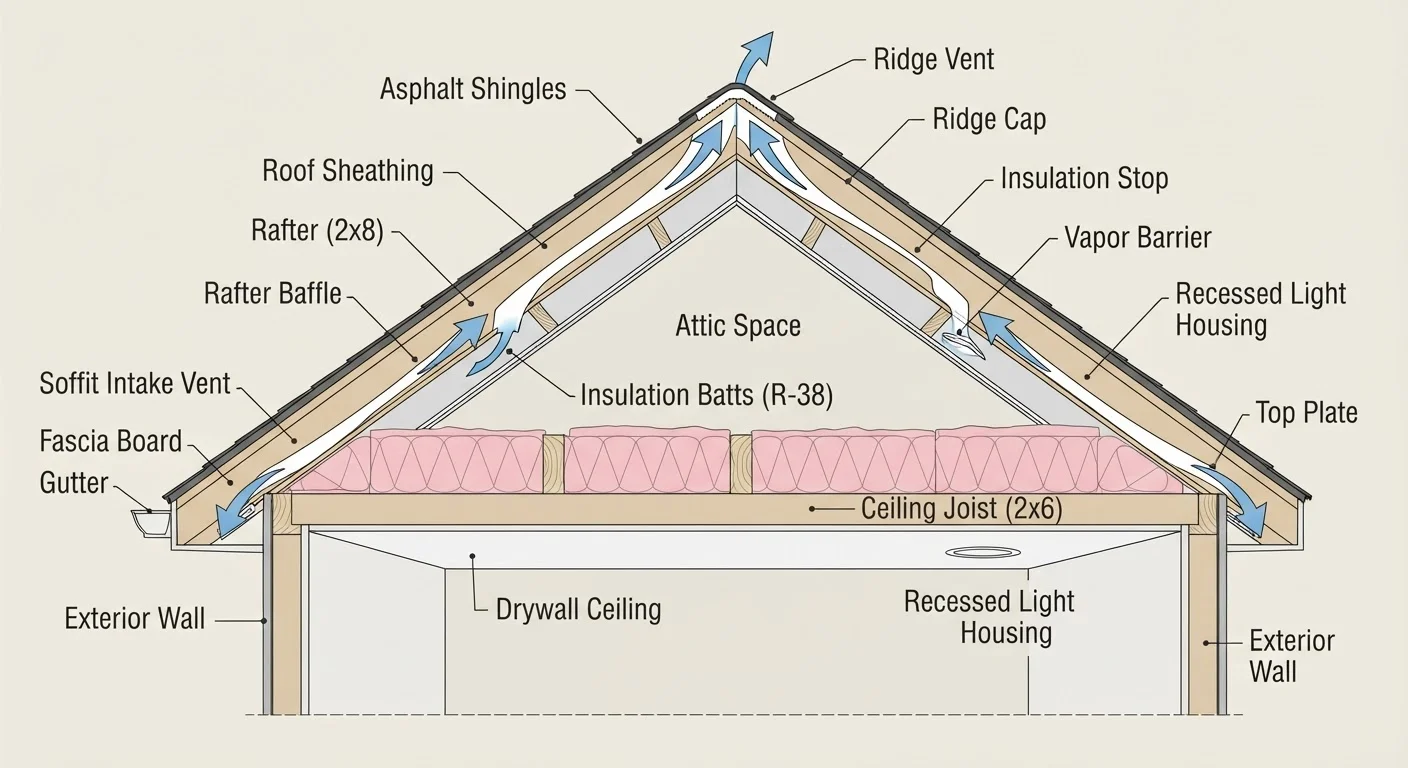
One consideration: blown-in insulation in attics needs to be kept separate from ventilation pathways. Blocking soffit vents with loose fill defeats the purpose of your attic's ventilation system. For a clear explanation of how those two systems interact, see our article on attic ventilation versus attic insulation.
Up to 20%
Potential heating and cooling cost reduction from proper insulation
The U.S. Department of Energy estimates that air sealing combined with proper insulation can reduce heating and cooling costs by up to 20% for many homes.
R-49 to R-60
Recommended attic R-value for colder U.S. climate zones
The DOE's insulation recommendations vary by climate zone; colder northern regions typically call for R-49 to R-60 in the attic to meet current energy efficiency guidance.
90%
Of U.S. homes estimated to be under-insulated
The North American Insulation Manufacturers Association has cited figures suggesting the vast majority of existing U.S. homes fall below currently recommended insulation levels.
Spray Foam: High Performance, Higher Complexity
Spray polyurethane foam (SPF) expands on contact to fill cavities, cracks, and irregular spaces, hardening into a rigid or semi-rigid material. Unlike batts or blown-in products, spray foam also acts as an air barrier — making it one of the few insulation options that simultaneously addresses both heat transfer and air infiltration.
Open-cell foam is softer and less dense, offering a lower R-value per inch (roughly R-3.5 to R-4) but providing good soundproofing and costing less per board foot. Closed-cell foam is denser, achieves R-6 to R-7 per inch, and functions as a vapor barrier — valuable in basements, crawl spaces, or below-grade walls where moisture is a concern.
The trade-off is installation complexity and cost. Two-component spray foam kits exist for small DIY jobs like rim joists, but larger applications involve chemical mixing, protective equipment, and precise technique. Most contractors and building professionals recommend hiring licensed installers for whole-wall or attic spray foam projects. Permits may be required depending on your municipality — always verify local building requirements before starting.