

Why Furniture Specs Deserve a Second Look
Most shoppers scan photos and price, then hit the order button. But the spec table buried below the fold is where a furniture purchase either holds up or falls apart. Weight limits, material descriptions, and finish types aren't filler — they're the difference between a piece that lasts five years and one that wobbles after five months.
This reference covers the specs that actually matter, what the terminology means in plain English, and what to watch for before you commit. If you're still early in the planning process, start here for a broader budget framework before zeroing in on individual listings.
| Standard dining chair weight capacity | 250–300 lbs (typical) (Varies by manufacturer and frame material) |
| Martindale rub count for heavy-duty upholstery | 25,000+ cycles (General industry guideline for commercial/residential durability) |
| Standard dining seat height | 17–19 inches |
| Bar-height stool seat height | 28–30 inches (Paired with bar-height counters of 40–42 inches) |
| Steel frame gauge — lower = thicker | Lower gauge number = stronger |
| Bonded leather typical lifespan | 2–4 years before peeling (General consumer experience; varies by use and care) |
Weight Limits and Structural Specs
Weight capacity is listed on most seating and storage items and should be treated as a firm ceiling, not a rough guideline. Manufacturers test to that number, and consistent loads approaching or exceeding it accelerate joint failure and frame stress. For chairs and stools, check whether the limit covers static weight (sitting still) or dynamic load (movement, rocking). For shelving, look for per-shelf limits, not just total unit capacity.
Frame material tells you a lot about longevity. Kiln-dried solid wood frames resist warping better than green or undried lumber. Steel frames vary widely by gauge — a lower gauge number means thicker, sturdier steel. Plastic frames are fine for occasional use but typically aren't rated for daily heavy use.
Joint construction is rarely spelled out in a listing, but some describe it: mortise-and-tenon and dovetail joints are significantly more durable than stapled or glued butt joints. If a listing doesn't mention it and durability matters to you, that omission is itself useful information.
Materials: What the Labels Actually Mean
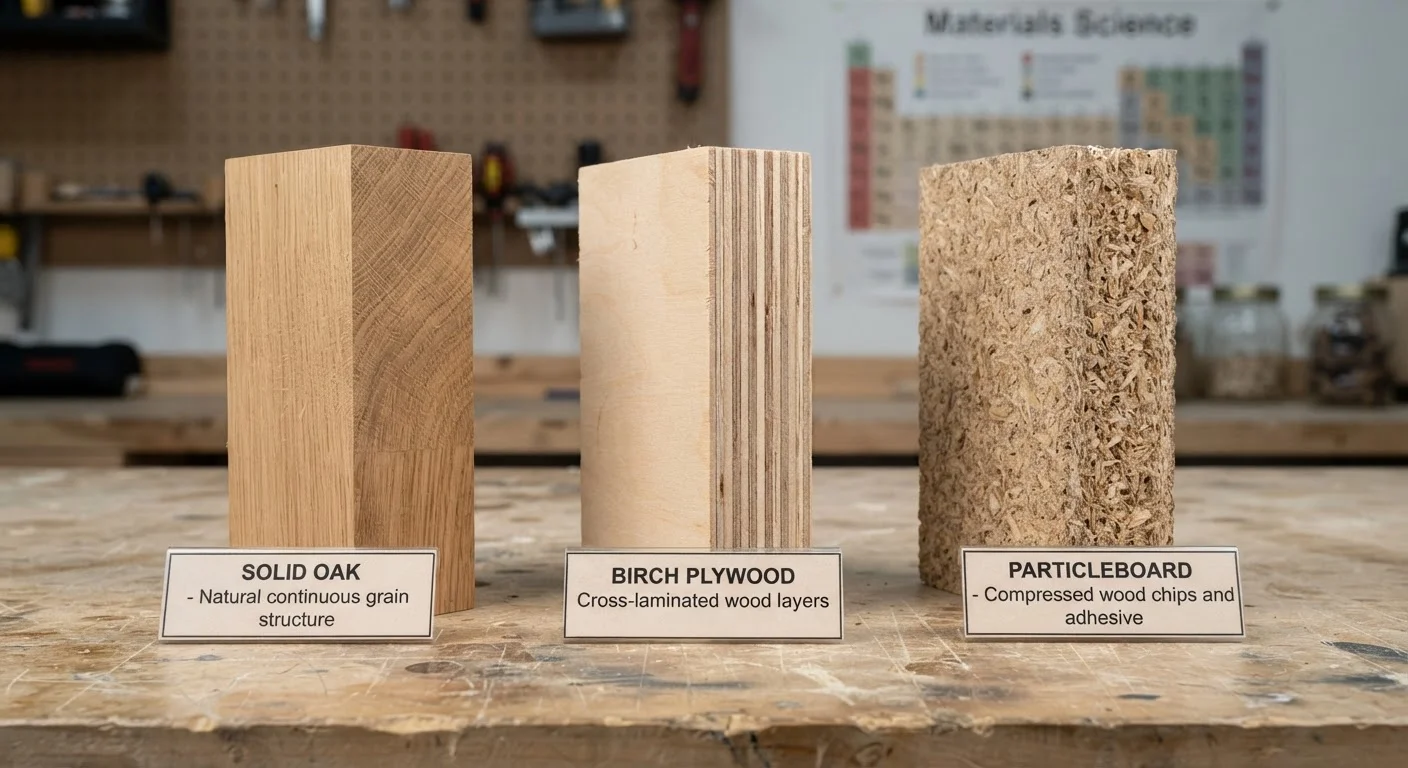
Furniture listings use material terms inconsistently, so knowing what they mean protects you from surprises. A full breakdown of wood types is worth reading, but here's the short version:
- Solid wood: Cut from a single piece of lumber. Durable, repairable, and can be refinished.
- Engineered wood / MDF: Wood fibers or particles compressed and bonded. Smooth surface, stable, but doesn't hold screws as well over time and is vulnerable to moisture.
- Particleboard: Lower-density engineered wood. Lightweight and inexpensive, but the weakest option for load-bearing pieces.
- Veneer: A thin slice of real wood applied over an engineered base. Looks like solid wood, but can't be sanded down and refinished as deeply.
For upholstery, check fabric content and rub count if listed. A higher rub count (tested via the Martindale or Wyzenbeek method) indicates greater abrasion resistance — useful for high-traffic seating. "Faux leather" and "bonded leather" are not the same as genuine leather; bonded leather in particular tends to peel within a few years.
Weight capacity
The maximum load a piece of furniture is tested and rated to support. Exceeding this limit regularly can accelerate structural failure and void warranties.
Rub count
A measure of fabric abrasion resistance determined by standardized testing (Martindale or Wyzenbeek). Higher counts indicate greater durability for upholstered surfaces.
Veneer
A thin layer of real wood applied over an engineered wood core. It provides an authentic wood appearance at lower cost but has limited refinishing depth.
Bonded leather
A material made from shredded leather fibers bonded with polyurethane, applied over a fabric backing. It resembles leather but tends to crack and peel with extended use.
Kiln-dried wood
Lumber that has been dried in a controlled oven to reduce moisture content. This reduces warping and joint failure over time compared to undried or "green" wood.
Cam lock
A common flat-pack furniture fastener consisting of a small cylinder that tightens when rotated with a screwdriver or coin. Widely used in ready-to-assemble furniture.
Dimensions, Finish, and Assembly Notes
Dimensions on a listing usually reflect the outermost measurements of the fully assembled piece. Always compare these to your actual room measurements, not your mental estimate. Dimension planning for small spaces goes deeper on this if proportions are a concern.
Seat height matters for comfort and compatibility with tables or desks. Standard dining chair seat height is around 17–19 inches; standard counter-height stools are 24–26 inches; bar-height stools are 28–30 inches. Mismatching these with a table is a common and easily avoided mistake.
Finish type affects maintenance. Lacquered or sealed finishes resist staining and are easier to wipe clean. Oiled or waxed finishes look natural but need periodic re-application. "Distressed" or "hand-painted" finishes may show wear quickly — which can be intentional for the look, but know what you're signing up for.
Assembly requirements are often understated. "Easy assembly" is subjective. Look for the actual number of pieces and estimated time if provided. Listings that specify hardware type (e.g., cam lock, hex bolt) give you a clearer picture. If a piece requires tools beyond a basic screwdriver, confirm you have them before the box arrives.
For a broader view of how these specs connect to long-term value, this piece on cheap versus affordable furniture puts the trade-offs in context.