

The Core Coverage Categories Explained
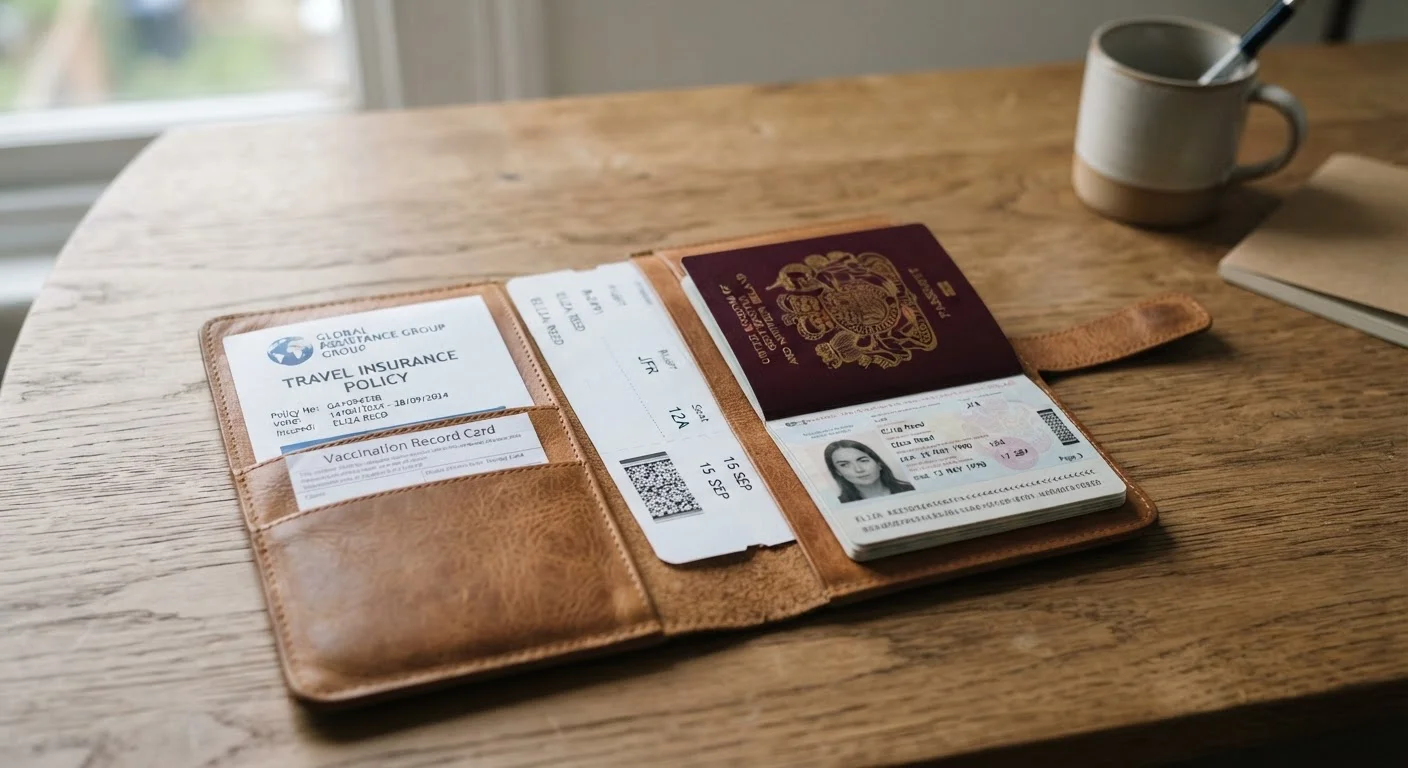
Travel insurance is not a single product — it's a bundle of distinct coverage types that may or may not be included depending on the plan you choose. Understanding each component separately is the most reliable way to evaluate whether a policy suits your trip.
Trip Cancellation and Interruption
Trip cancellation reimburses prepaid, non-refundable costs if you have to cancel before departure for a covered reason. Trip interruption applies if your trip is cut short mid-way. Covered reasons typically include sudden illness or injury, death of a family member, jury duty, or certain natural disasters at your destination. Importantly, changing your mind, work conflicts, or fear of travel are not covered under standard policies.
Emergency Medical Coverage
This is arguably the most critical component for international travelers. Standard US health plans — and Medicare — generally do not cover medical costs incurred abroad. Emergency medical coverage within a travel policy pays for hospital treatment, surgery, and physician fees up to the policy's stated limit. Coverage amounts vary widely, so compare figures rather than assuming any plan is sufficient.
Medical Evacuation
Separate from emergency medical treatment, evacuation coverage pays the cost of transporting you to a suitable medical facility. Air evacuations from remote locations or small island destinations can exceed $50,000 — a figure most travelers are unprepared to absorb out of pocket.
Baggage and Personal Effects
Baggage coverage reimburses you if luggage is lost, stolen, or damaged. Most policies apply per-item limits and an overall cap, and high-value items such as electronics or jewelry often require separate documentation or riders. Airline reimbursement for delayed or lost bags exists independently — travel insurance typically acts as a secondary layer.
Trip Delay vs. Trip Cancellation: Not the Same
These two coverage types are frequently confused. Trip cancellation applies before departure and covers prepaid costs you can't recover. Trip delay coverage kicks in when your journey is interrupted mid-trip by circumstances outside your control, reimbursing expenses like meals and accommodation during the wait. Each has its own limits and trigger conditions — both are worth reviewing separately in any policy you consider.
What Travel Insurance Commonly Excludes
The exclusions section of any policy is where budget-conscious travelers most often get caught off guard. These are among the most common gaps:
- Pre-existing medical conditions: Any condition for which you received treatment or diagnosis before purchasing the policy is typically excluded unless you secured a waiver at the time of purchase.
- Pandemics and epidemics: Coverage related to declared pandemics varies significantly by plan and insurer. Some newer policies offer COVID-related medical coverage; others explicitly exclude it. Verify before assuming.
- Adventure and high-risk activities: Activities like bungee jumping, motorcycle riding, or backcountry skiing are frequently excluded from base policies. Riders may be available at additional cost.
- Alcohol or substance-related incidents: Claims arising from accidents while intoxicated are almost universally denied.
- Government travel advisories: If you travel to a destination under a government-issued 'Do Not Travel' advisory, many insurers will void coverage for incidents at that location.
Understanding these exclusions before you book — not after — is essential. For context on other costs that can erode a travel budget, see hidden costs that catch budget travelers off guard.
How to Evaluate a Policy Before You Buy
Marketing summaries describe coverage in the broadest possible terms. The actual terms — limits, exclusions, claim procedures — live in the full policy document, typically called the Certificate of Insurance or Policy Declaration. Before committing, compare these specific figures across plans:
- Emergency medical limit: For international travel, many advisors suggest a minimum of $100,000 in coverage, though requirements vary by destination and individual health situation.
- Evacuation limit: Evacuation coverage of at least $250,000 is commonly referenced as a benchmark for destinations far from major medical centers, though your specific situation may differ.
- Cancellation covered reasons: Count how many covered reasons are listed and confirm they align with realistic scenarios for your trip.
- Deductibles: Some policies carry per-incident deductibles. A low premium with a high deductible may offer less actual protection than it appears.
- Claim filing deadlines: Most policies require claims to be filed within a specific window after the incident — missing this deadline can void an otherwise valid claim.
For travelers building a full trip budget, accounting for insurance as a line item from the start prevents surprises. See building a realistic travel budget before you book for a comprehensive framework. Also consider how hotel cancellation terms interact with your coverage — understanding hotel cancellation policies before booking can reduce the overlap where insurance gaps could cost you most.
Buy Insurance Shortly After Your First Deposit
Purchasing a travel insurance policy soon after making your initial trip deposit — rather than close to departure — unlocks time-sensitive benefits like pre-existing condition waivers and Cancel for Any Reason upgrades. Waiting until the week before you leave may disqualify you from these options entirely, regardless of the plan you choose.
This article provides general educational information about travel insurance and is not a substitute for reading your specific policy documents or consulting a licensed insurance professional. Coverage terms, limits, and exclusions vary by provider and plan. Always verify details directly with an insurer before purchasing.