
Why Our Brains Are Wired to Spend Impulsively
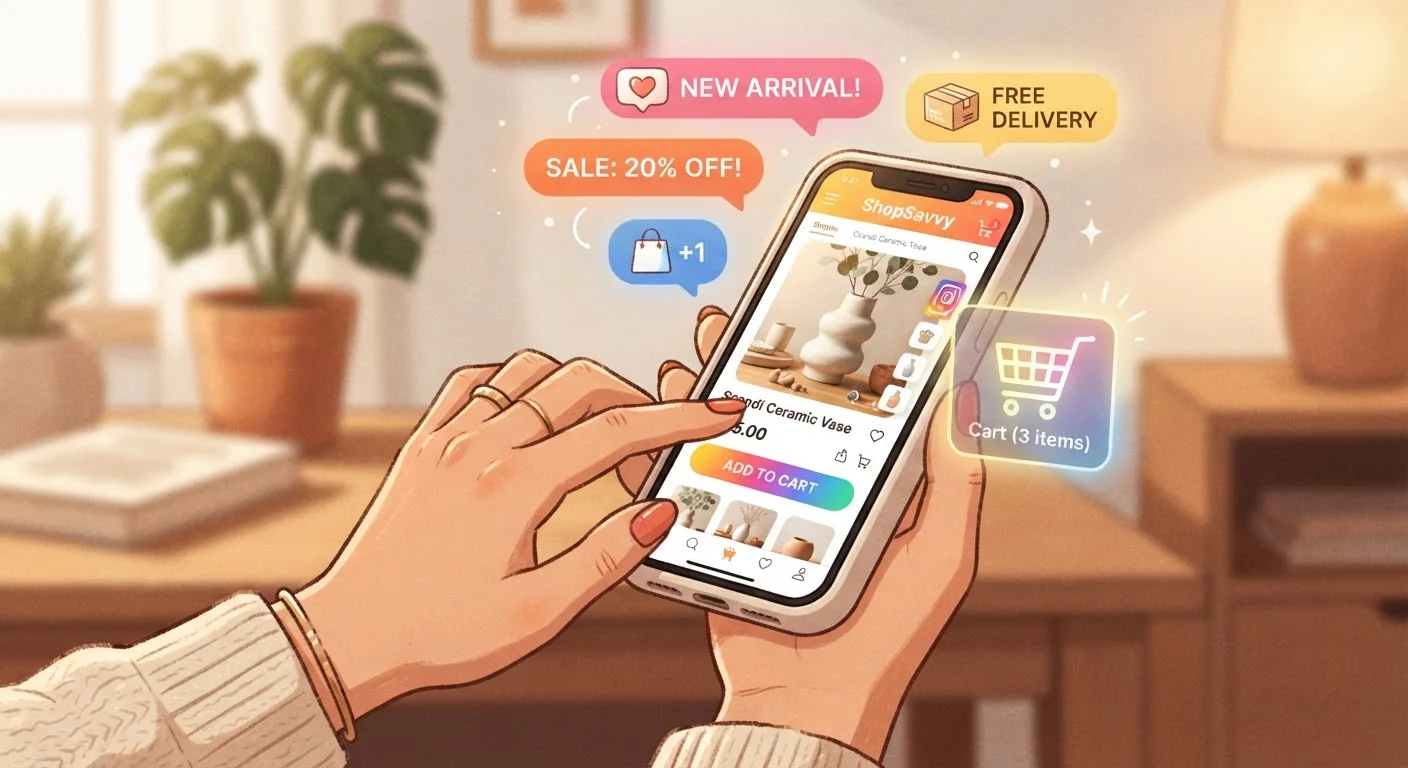
Impulse spending isn't a character flaw. It's a predictable outcome of how the human brain processes reward and emotion. When you spot something appealing — a sale sign, a product recommendation, a limited-time visual — your brain's reward system activates before your rational thinking catches up.
This is sometimes called the "hot-cold empathy gap." In a calm, planning state, you can clearly see that you don't need another kitchen gadget. But in the moment — excited, stressed, or just bored — that clarity disappears. The emotional brain is running the show, and it's optimized for immediate gratification, not long-term goals.
Several mental triggers consistently accelerate this process:
- Scarcity cues — "Only 3 left in stock" creates urgency that bypasses deliberate thought.
- Social proof — Seeing that others have purchased something makes it feel like the right move.
- Emotional states — Stress, loneliness, and even happiness all raise the likelihood of unplanned purchases.
- Friction reduction — Saved card details, one-click checkout, and auto-fill eliminate natural pause points.
Retailers and app designers are not neutral parties here. Store layouts, push notifications, and algorithm-driven product feeds are deliberately constructed to exploit these triggers. Some widely held spending assumptions suggest that being aware of tactics is enough to resist them — but awareness alone rarely changes behavior.
What Actually Interrupts the Impulse
Willpower is an unreliable strategy. Research in behavioral science consistently shows that people who rely on self-control in the moment tend to lose to people who engineer their environment to reduce temptation in the first place.
Here are approaches that have meaningful evidence behind them:
The Time Delay
Inserting a pause between desire and purchase is among the most effective interventions. A 24-hour wait for purchases above a personal threshold — say, $30 or $50 — allows the emotional spike to subside. Many people find that the urge simply disappears by the next day. If it doesn't, the purchase was probably worth making anyway.
Set a Personal Spending Threshold
Pick a dollar amount — many people use $25 or $50 — and commit to waiting 24 hours before completing any unplanned purchase above that amount. Write the item down with the date. If you still want it the next day, buy it without guilt. This simple rule catches most impulse purchases without requiring constant vigilance.
Remove Stored Payment Information
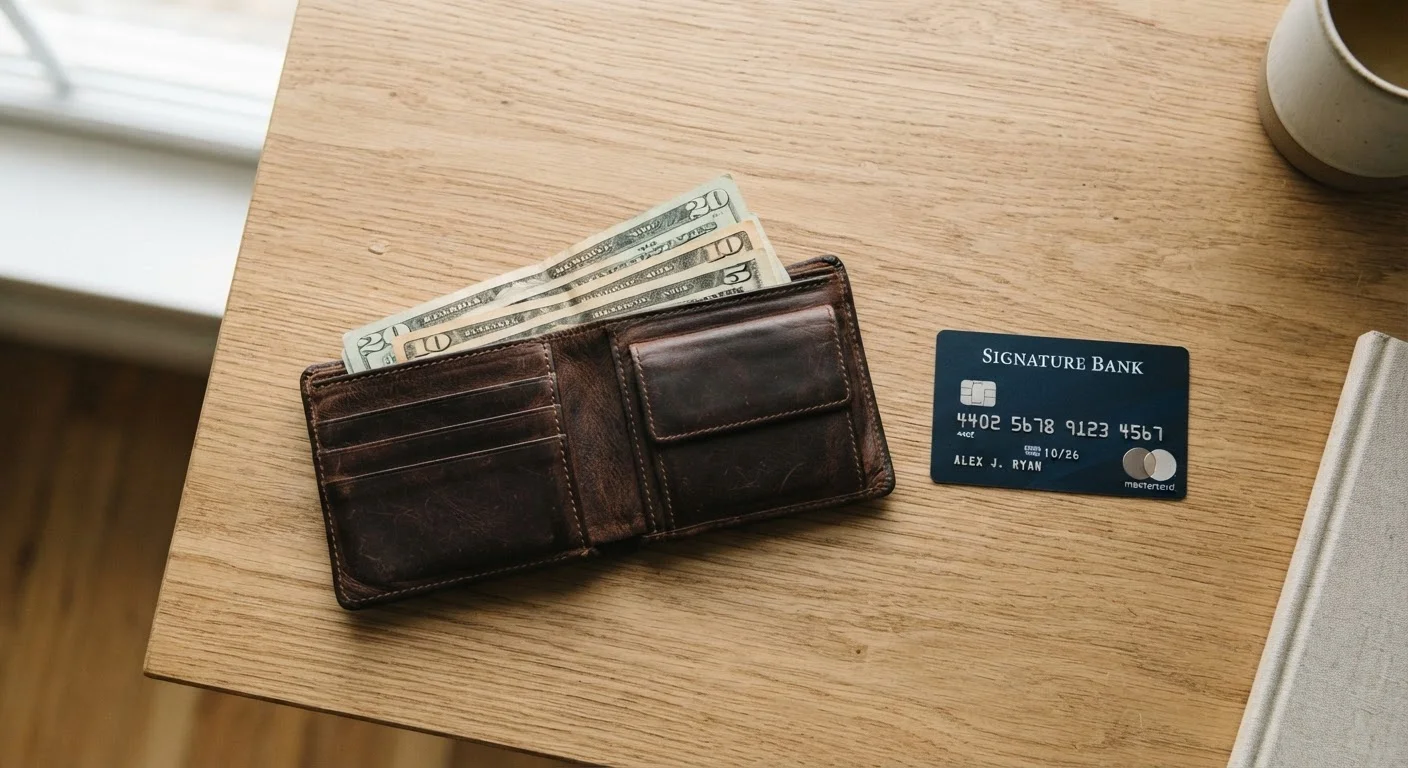
One-click purchasing eliminates the natural pause that comes with entering card details. Removing saved payment information from shopping apps adds friction — and friction is your friend when it comes to unplanned spending.
Use a "Cooling-Off" Wishlist
Instead of buying, add the item to a dedicated wishlist or notes app. Revisit the list weekly. Most items that felt urgent on Thursday feel less compelling by Monday. This technique also gives you useful data about your own spending patterns over time.
Identify Your Emotional Triggers
Keeping a brief log of when you feel the urge to spend — and what preceded it — reveals patterns quickly. If you notice you shop most when stressed at work or scrolling late at night, you can address those states directly rather than fighting the spending urge at the point of purchase.
For a structured way to examine your habits, a 30-day spending pause can be a surprisingly clarifying exercise.
Building Habits That Hold Without Deprivation
The goal is not to eliminate all spontaneous spending. Treating yourself occasionally is a normal, sustainable part of life — and rigid restriction often backfires. Strict frugality frequently collapses under pressure, leaving people feeling deprived and then overspending to compensate.
A more durable approach is to make conscious spending the default, not a constant battle:
~$314
Average monthly impulse spend per U.S. consumer
According to a Slickdeals survey cited broadly in personal finance media, American consumers reported spending roughly this amount on unplanned purchases each month on average.
88%
Shoppers who made an impulse purchase in the past month
A Creditcards.com survey found that the vast majority of American adults reported making at least one impulse purchase in any given month.
40%
Of impulse buys driven by a sale or promotion
Research consistently shows that discount framing is among the most common environmental triggers for unplanned purchases, regardless of whether the "deal" represents genuine savings.
- Budget a "fun money" amount each month that you can spend on anything, no justification needed. When it's gone, it's gone — but you never feel guilty for using it.
- Shop with a list for any in-store or online trip, even for leisure browsing. Having a list creates a mental anchor that makes off-list additions more visible.
- Audit your subscriptions quarterly — recurring charges are a form of impulse spending that has already been forgotten.
The same principles apply in high-temptation environments. Travel, for instance, is a well-documented context for overspending. Certain travel spending patterns reliably cost more than they should — and they follow the same psychological mechanics as everyday impulse purchases.
Understanding why you spend impulsively matters more than gritting your teeth. Once you know your triggers and have a few structural guardrails in place, managing unplanned spending becomes considerably less exhausting.
This article is for general informational purposes only and does not constitute personalized financial advice. For guidance specific to your financial situation, consider consulting a qualified financial professional.