
What This Reference Covers
Most households need the same core categories of supplies regardless of size, location, or budget. The challenge isn't finding products — it's knowing which categories to prioritize and what each one actually includes. This guide organizes standard household supplies into clearly defined groups so you can inventory your home, spot gaps, and plan purchases with confidence.
For a deeper look at how these categories fit into a broader household setup, see The Full Picture on Home Essentials. If you're building out a new space room by room, the Room-by-Room Home Essentials Checklist is a useful companion.
| Number of Core Categories | 8 standard supply categories |
| Highest Restock Frequency | Paper goods & cleaning consumables |
| Lowest Restock Frequency | Home maintenance & organizational supplies |
| Most Personally Variable Category | Personal care & hygiene |
| Category Most Often Overlooked | Seasonal home maintenance items |
The Core Supply Categories
1. Cleaning & Sanitation
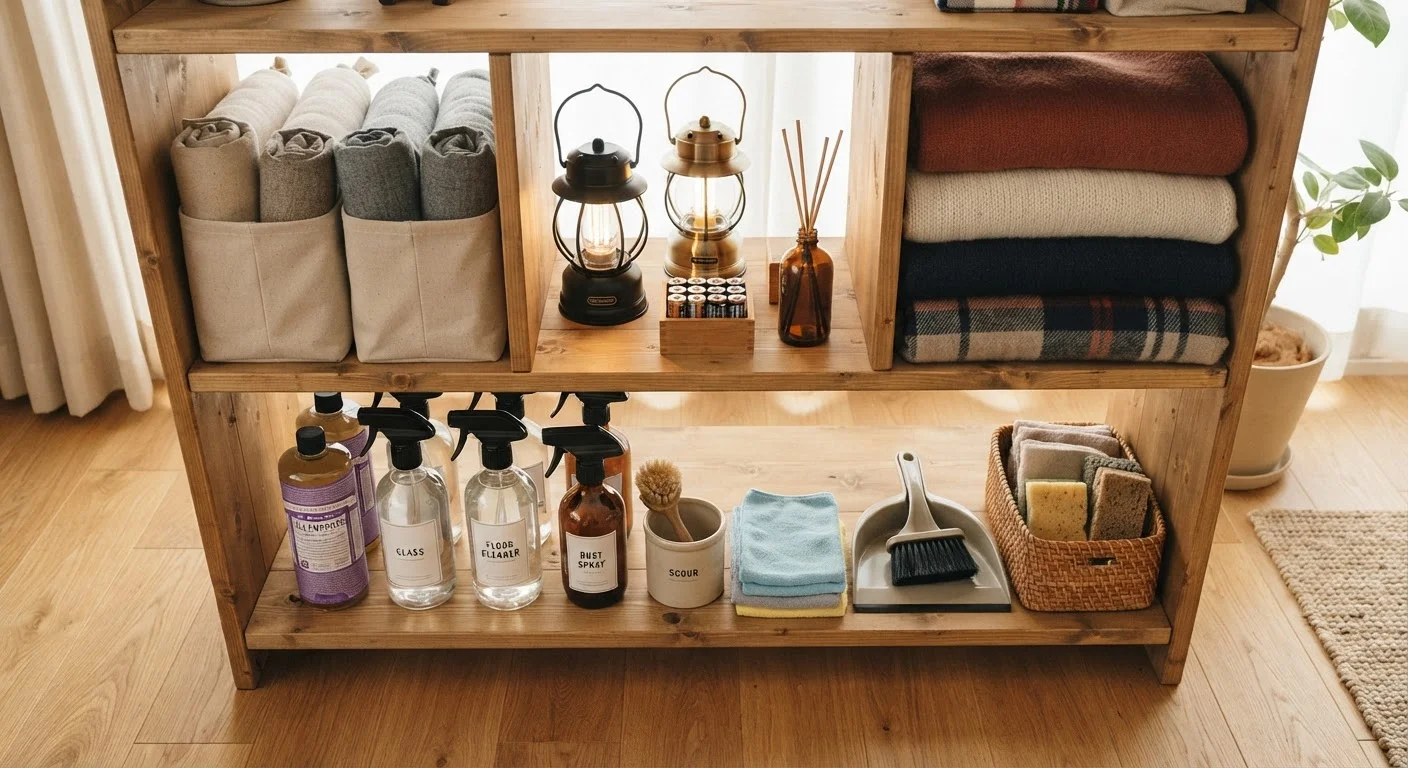
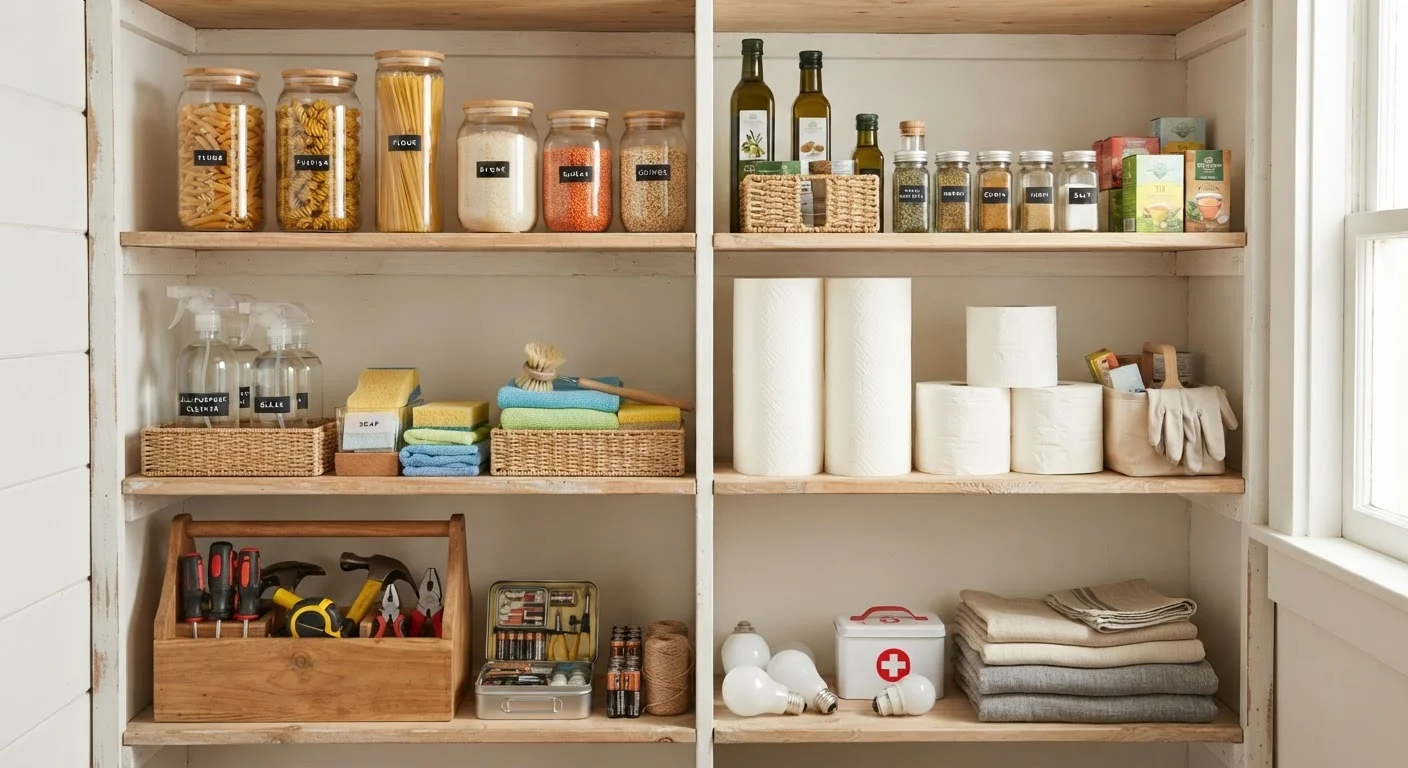
This category covers everything needed to keep surfaces, floors, fabrics, and air quality in acceptable condition. It includes general-purpose cleaners, disinfectants, scrubbing tools, mops, vacuums, trash bags, and laundry supplies. Restocking frequency is high — most items in this group are consumables used weekly or more often.
2. Kitchen & Food Preparation
Beyond appliances, this category includes cookware, bakeware, utensils, cutting boards, food storage containers, and pantry staples. It also covers disposables like aluminum foil, plastic wrap, and food bags. A functional kitchen supply set allows for consistent home cooking, which has a measurable impact on monthly food spending.
3. Paper Goods & Disposables
Toilet paper, paper towels, tissues, napkins, and disposable plates or cups fall here. These are non-negotiable consumables that most households need to keep stocked at all times. Bulk purchasing is a common strategy for managing this category cost-effectively.
4. Personal Care & Hygiene
Soap, shampoo, toothpaste, razors, feminine care products, and similar items are personal care essentials. While specific preferences vary widely, every household needs a baseline set of hygiene supplies available consistently. This is a highly personal category — what counts as essential differs by individual.
5. Health & First Aid
A well-stocked first aid kit, over-the-counter medications for common ailments (such as pain relief, antacids, or cold remedies), bandages, and thermometers make up this category. The goal is preparedness for minor incidents and illnesses without requiring an immediate store trip. This article provides general information only and is not a substitute for advice from a qualified healthcare professional.
6. Home Maintenance & Repair
Basic tools, batteries, light bulbs, duct tape, adhesives, and seasonal supplies (like weather stripping or ice melt) fall under home maintenance. Many items in this category are purchased infrequently but are urgently needed when the moment arrives. See Seasonal Household Essentials for items that are commonly overlooked until they're urgently needed.
Consumables
Household supplies that are used up over time and need regular replenishment, such as toilet paper, cleaning sprays, or dish soap. Unlike durable goods, consumables have a predictable replacement cycle.
Durable Goods
Items intended for repeated, long-term use rather than single consumption — for example, pots, pans, tools, or storage bins. These are purchased less frequently but typically represent higher upfront cost.
Household Audit
A deliberate review of all supply categories in a home to identify what is stocked, what is depleted, and what is missing. Regular audits help prevent emergency purchases and support consistent budgeting.
Category Stocking
The practice of maintaining a minimum quantity of each supply category at all times, rather than purchasing items only when fully depleted. This approach reduces stress and often lowers average per-unit cost.
7. Laundry & Fabric Care
Detergent, fabric softener, stain removers, dryer sheets, and ironing supplies are the main items here. This category overlaps with cleaning supplies but is distinct enough to track separately — especially in households with children, pets, or high-volume clothing use.
8. Organizational Supplies
Bins, baskets, shelf liners, hooks, labels, and storage containers help maintain order throughout the home. This is more of a setup category than a recurring consumable, but gaps here often lead to clutter and inefficiency that creates downstream problems in other categories.
How to Use These Categories
The most practical use of this framework is a periodic household audit. Walk through each category and assess what's adequately stocked, what's running low, and what's missing entirely. This turns restocking from a reactive scramble into a manageable routine.
It also helps when separating genuine needs from discretionary spending. The Difference Between Wants and Needs When Stocking a New Home explores this distinction in detail — especially useful when budgets are tight or a move is recent. To sharpen your thinking about what truly earns the label "essential," What Makes a Household Item Truly Essential provides a clear decision framework.
Not every category demands the same attention or budget at every stage of life. Households with young children will prioritize health and cleaning supplies differently than single adults or empty nesters. Use these categories as a consistent reference point — not a rigid prescription.