
Why Sequence Matters More Than Style at First
Signing a lease is exciting — and the urge to furnish everything at once is real. But first-time renters who try to outfit every room simultaneously often end up with mismatched pieces they regret, credit card balances that linger, or critical items sacrificed for aesthetic ones. The smarter approach is to treat furnishing as a series of deliberate phases, not a single shopping event.
The question isn't "What do I want in each room?" — it's "What does each room need to function?" Those are very different lists. Our guide to separating wants from needs is a useful companion if you're still building that mental framework. Once you can make that distinction clearly, the room-by-room priorities below become much easier to act on.
Think in Phases, Not in Rooms
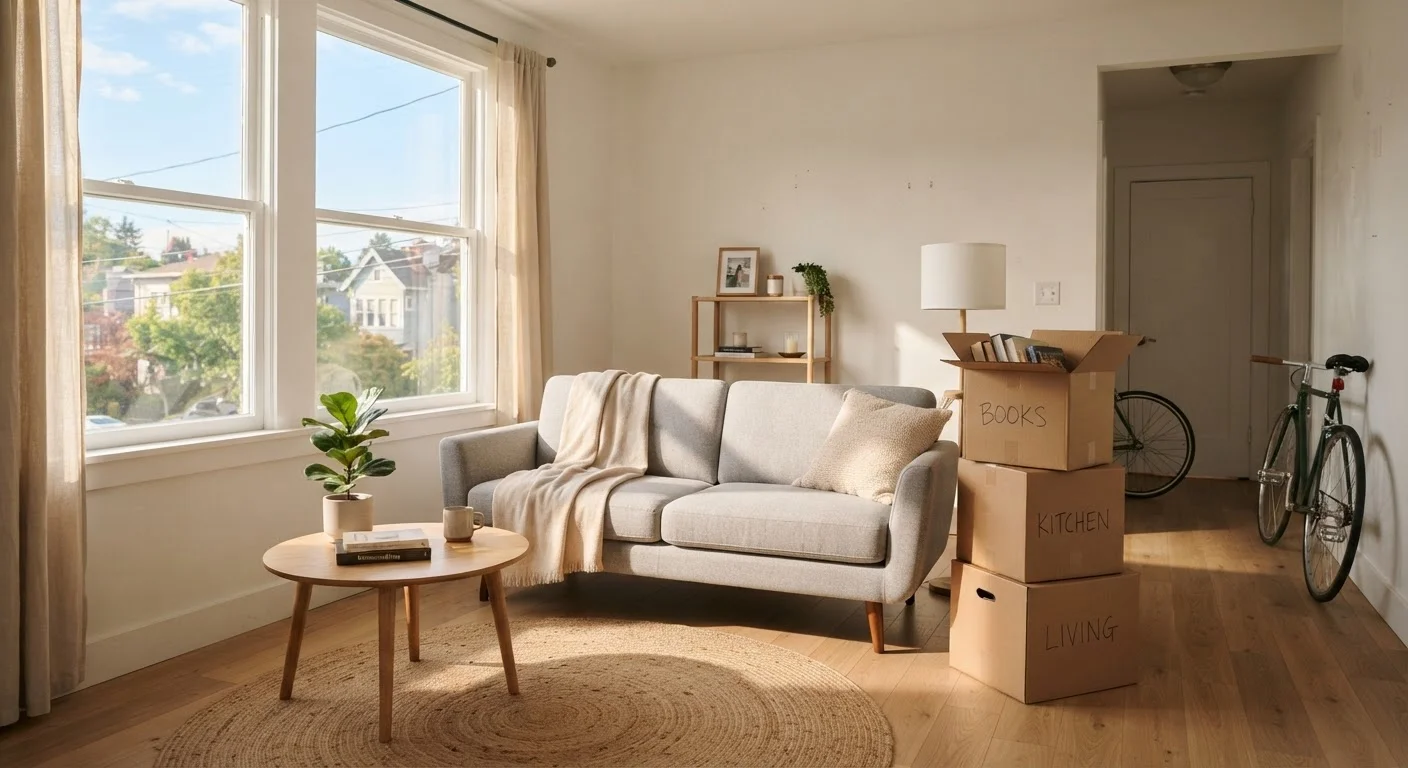
Rather than trying to complete one room before moving to the next, think in phases: Phase 1 covers sleep and seating, Phase 2 covers dining and work surfaces, Phase 3 handles storage and secondary items. This approach keeps daily life functional from day one while giving your budget room to breathe between purchases.
Room-by-Room Furniture Priorities
Bedroom: Prioritize the Bed Frame and Mattress Above All
Sleep quality affects everything — focus, mood, energy, and physical health. A bed is not where you cut corners in a new place. If there's one room where your first dollar should go, it's here.
- Start with: A mattress appropriate for your sleep style, plus a basic bed frame that keeps it off the floor and provides under-bed storage if space is limited.
- Then add: Nightstand (even a small stool or crate works early on), adequate window coverings for light control and privacy.
- Hold off on: Dressers, vanity tables, accent chairs, and decorative headboards until the essentials are stable and you know the room's layout well.
A mattress protector is worth treating as part of the mattress purchase — it extends the life of your investment considerably.
A quality mattress is the single highest-impact furniture purchase any new renter can make.
Living Room: One Good Sofa Before Anything Else
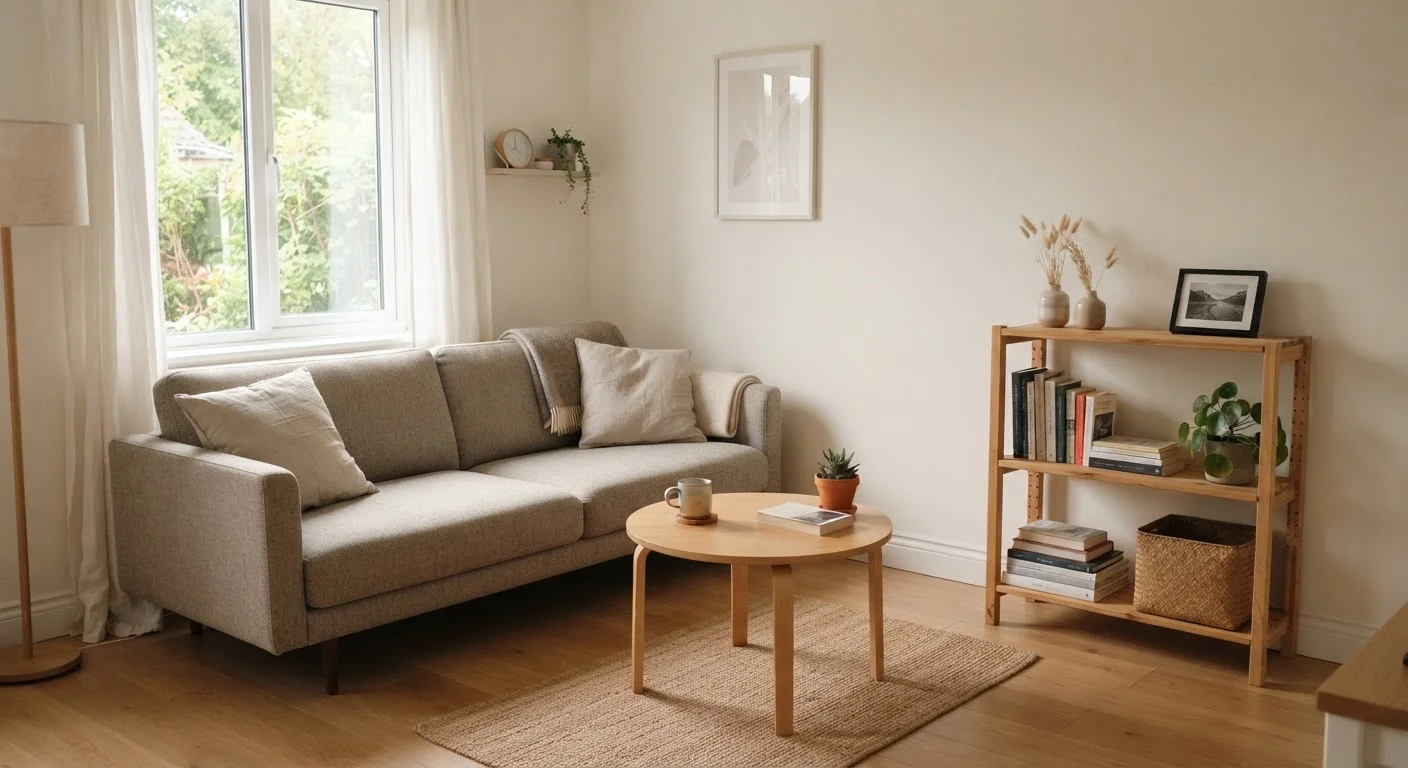
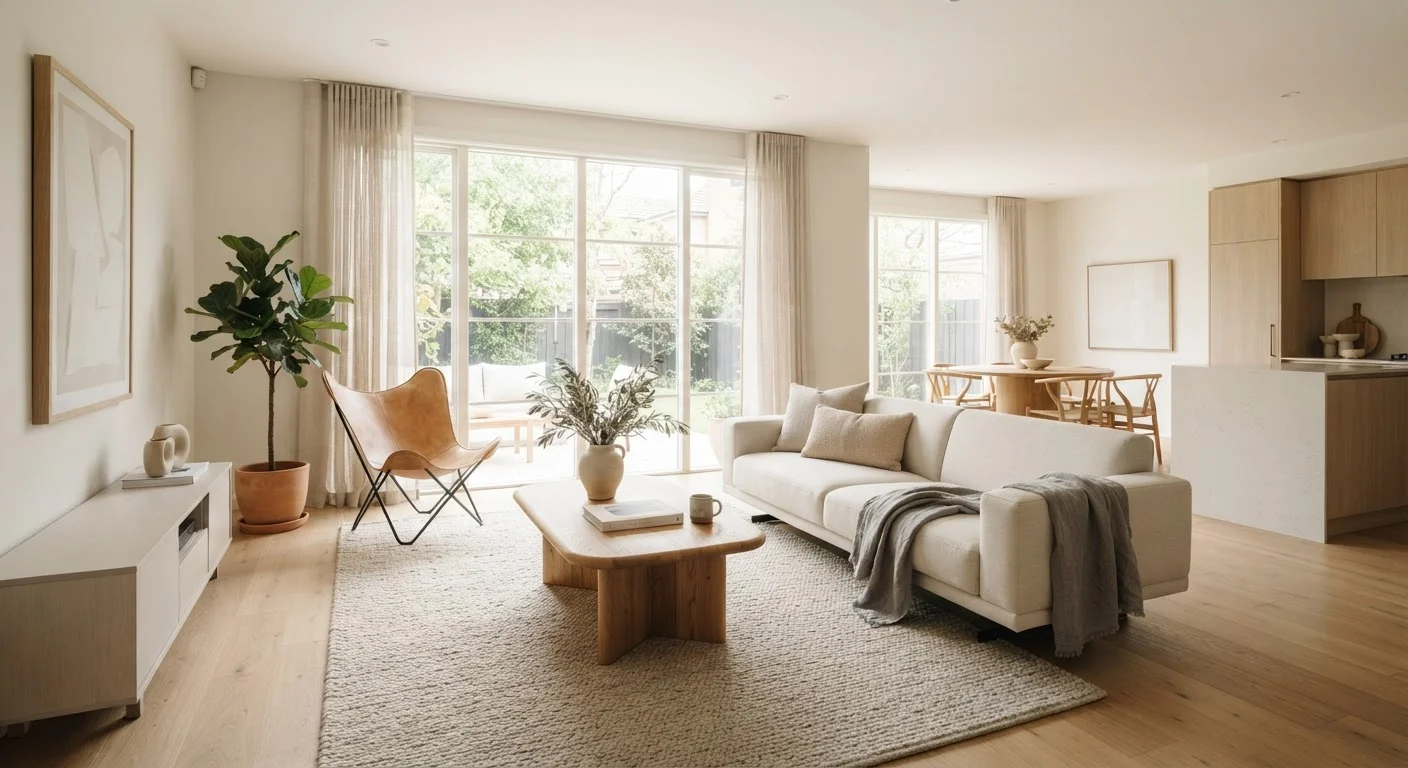
The living room is easy to over-furnish. Coffee tables, side tables, TV stands, bookshelves, and accent chairs all seem essential — but most can wait.
- Start with: A sofa or sectional sized appropriately for the room. This is the functional anchor. Measure your space carefully before buying — returns on large furniture can be difficult and costly.
- Then add: A TV stand or media console (or a simple shelf) if you have a television. A small side table or a lap desk is often enough initially.
- Hold off on: Coffee tables, decorative shelving, area rugs, and accent furniture until you understand how you use the space day-to-day.
Multifunctional furniture — like a storage ottoman that doubles as a coffee table — can do real work here and reduce the total number of pieces you need.
One well-chosen sofa does more for daily comfort than a room full of secondary accent pieces.
Dining Area: A Simple Table and Chairs Over a Dedicated Dining Set
Dedicated dining rooms are rare in most rental apartments, and elaborate dining sets are often oversized for the spaces renters actually occupy. Keep this area lean.
- Start with: A small table that fits the space — a two- or four-seater is usually sufficient. Folding chairs or mismatched seating work fine early on.
- Then add: Matching chairs once you know how often you actually use the table and for how many people.
- Hold off on: Buffets, china cabinets, bar carts, and matching sets. These are aesthetic investments, not functional necessities.
In smaller apartments, a wall-mounted drop-leaf table can serve dual duty as a dining surface and workspace, saving both money and square footage.
A small, functional table serves daily needs; elaborate dining sets are a long-term upgrade, not a day-one necessity.
Home Office or Desk Space: Basics Beat a Full Setup
Whether you work from home or just need a spot for paperwork and a laptop, a dedicated desk surface is genuinely useful. But it doesn't need to be a complete office suite.
- Start with: A simple desk — even a narrow console table can work — and a chair with adequate back support. Comfort matters here; a poor chair leads to back strain over time.
- Then add: Basic storage (a drawer unit or small shelf) once you know what you actually need to store.
- Hold off on: Monitor stands, file cabinets, desk hutches, and ergonomic accessories beyond a decent chair. Assess actual workflow first.
If you're in a studio or one-bedroom apartment, a foldable desk that tucks away can preserve the feeling of separation between work and rest — something worth considering before committing to a large fixed piece.
Back support matters more than desk aesthetics — prioritize a good chair over a stylish desk setup.
Kitchen and Bathroom: Furniture Is Almost Never the Priority
Most rental kitchens and bathrooms come with the fixed elements already in place — cabinets, counters, tub, toilet. Furniture investment here is typically minimal and often unnecessary in the first months.
- Kitchen: If storage is genuinely lacking, a small freestanding pantry cabinet or kitchen cart may help. Otherwise, focus on cookware, utensils, and a basic table setup first.
- Bathroom: Over-the-toilet shelving or a freestanding towel rack can add storage without furniture investment. These are low-cost, high-utility additions.
- Hold off on: Bathroom vanities, specialty storage furniture, and kitchen islands unless the space is unusually deficient.
For a complete picture of what actually needs to go into each room of a new household, the room-by-room home essentials checklist can help you separate the furniture question from the broader stocking question.
In most rentals, the kitchen and bathroom need almost no furniture — spend that money in the bedroom instead.
Storage and Organization: Buy Only After You Know What You Have
Storage furniture — shelving, wardrobes, dressers, bins — is tempting to buy upfront because it feels productive. Resist the urge until you've actually unpacked and lived in the space for a few weeks.
- Start with: Whatever closet and built-in storage the unit already provides. Maximize it with low-cost organizers before adding furniture.
- Then add: A wardrobe or dresser only if closet space is genuinely insufficient for your clothing volume.
- Hold off on: Bookcases, decorative storage baskets, entryway consoles, and specialty organizers until you've identified actual gaps rather than imagined ones.
One smart approach: track what you consistently can't find a home for over your first month. That list — not a store display — should drive your storage purchases. Whether to buy secondhand or new is also worth thinking through; our piece on secondhand vs. brand-new budget furniture lays out the real trade-offs.
Live in the space first — real storage gaps become obvious within weeks, preventing unnecessary purchases.
If you're furnishing more than one room simultaneously, a sequenced budget plan can help you avoid spreading money too thin. Our article on prioritizing furniture spending across multiple rooms walks through exactly that. And before any major purchase, it's worth running through a room-by-room financial checklist to confirm the timing and affordability make sense for your situation.
Build on What You Have, Not What You See Online
Social media and home décor content can distort expectations badly. A fully styled apartment with coordinated furniture, art, plants, and accent lighting is typically the result of years of accumulation — not a move-in weekend. Chasing that image from day one is one of the fastest ways to overspend on things that don't improve your daily life.
Instead, use your first few weeks in a new place to observe how you actually live in each room. Where do you naturally sit? What storage do you genuinely need? Answers to those questions are far more valuable than any mood board. For a thorough rundown of what truly belongs on your list versus what can wait, the room-by-room essentials checklist is worth bookmarking. And if budget is tight, stocking a home on a tight budget covers how to sequence spending without financial strain.