
Micronutrients vs. Macronutrients: The Key Distinction
Most nutrition conversations center on macronutrients — carbohydrates, protein, and fat. These are the nutrients that fuel your body and are measured in grams on every nutrition label. But running quietly in the background are micronutrients: the vitamins and minerals your body relies on to actually use that fuel. For a clear breakdown of what macros do, see our guide to macronutrients.
The prefix "micro" refers to quantity, not importance. You need these nutrients in milligrams or even micrograms — far smaller amounts than carbs or protein — but their absence has real consequences. Vitamin C helps synthesize collagen, the structural protein in skin and connective tissue. Iron carries oxygen through your bloodstream. Magnesium participates in more than 300 enzymatic reactions. Without adequate amounts of these, your body struggles at a cellular level, even if your calorie intake looks fine on paper.
Fat-Soluble vs. Water-Soluble Vitamins
Vitamins fall into two categories based on how your body stores and transports them — and this distinction matters practically.
Fat-soluble vitamins (A, D, E, and K) dissolve in fat and are stored in your liver and fatty tissues. Because the body holds reserves, you don't necessarily need them every single day — but it also means excess amounts can build up. Vitamin D, for instance, supports calcium absorption and immune function; widespread low levels have been documented across U.S. population studies. Vitamin K plays an essential role in blood clotting and bone metabolism.
Water-soluble vitamins (the eight B vitamins and vitamin C) dissolve in water and are not stored to the same degree. Excess amounts are generally excreted in urine, so regular dietary intake is important. B12 is a notable exception — the liver can store several years' worth — but most water-soluble vitamins need consistent replenishment. Folate (vitamin B9), for example, is critical for DNA synthesis and is especially important during pregnancy.
Maximize Absorption With Simple Pairings
Some micronutrients are better absorbed when combined with specific foods. Vitamin C eaten alongside plant-based iron sources — like squeezing lemon juice over lentils — significantly increases iron absorption. Similarly, fat-soluble vitamins A, D, E, and K are absorbed more efficiently when consumed with a small amount of healthy fat, such as olive oil or avocado.
Key Minerals and Why They're Overlooked
Minerals are inorganic elements sourced from the earth — plants absorb them from soil, and animals concentrate them in tissues. Your body uses them as structural components (calcium in bones), electrolytes (sodium, potassium), and cofactors that activate enzymes.
Macrominerals — needed in relatively larger amounts — include calcium, phosphorus, magnesium, sodium, potassium, chloride, and sulfur. Trace minerals — needed in tiny amounts — include iron, zinc, iodine, selenium, and manganese.
~42%
U.S. adults with vitamin D insufficiency
A large study published in Nutrition Research found approximately 41.6% of U.S. adults had vitamin D insufficiency based on serum 25-hydroxyvitamin D levels.
300+
Enzymatic reactions involving magnesium
According to the National Institutes of Health Office of Dietary Supplements, magnesium serves as a cofactor in more than 300 enzyme systems in the human body.
~10%
U.S. women with iron deficiency
The CDC has reported that roughly 10% of U.S. women of childbearing age have iron deficiency, making it one of the most common nutrient gaps in this population.
Iron deserves special mention: it forms hemoglobin, the protein in red blood cells that transports oxygen. Iron-deficiency anemia is one of the most common nutritional deficiencies worldwide, and it can manifest as persistent fatigue that's easy to misattribute. Zinc supports wound healing and immune response. Iodine is essential for thyroid hormone production, which regulates metabolism. These aren't exotic nutrients — they're in everyday foods, but dietary gaps are real and measurable.
Affordable Food Sources That Deliver
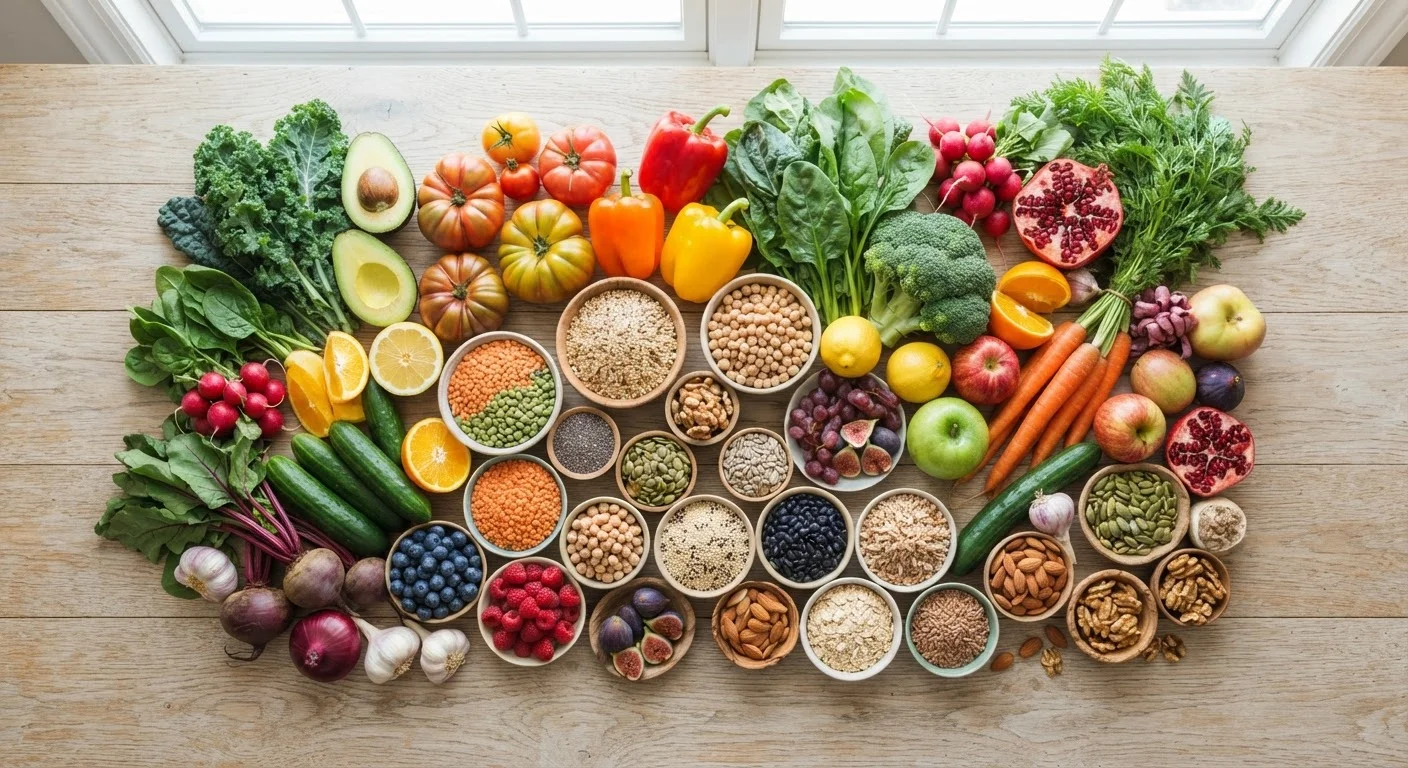
You don't need a specialty grocery budget to cover your micronutrient bases. Some of the most nutrient-dense foods are among the most affordable available:
- Eggs — a source of B12, vitamin D, selenium, and choline
- Canned sardines or tuna — provide vitamin D, B12, and calcium (sardines with bones)
- Dried or canned beans and lentils — rich in folate, iron, magnesium, and zinc
- Frozen spinach and other leafy greens — high in folate, vitamin K, magnesium, and iron
- Pumpkin seeds — a concentrated source of magnesium, zinc, and iron
- Sweet potatoes — high in beta-carotene (which the body converts to vitamin A) and potassium
- Low-fat dairy or fortified plant milks — provide calcium, vitamin D, and B12 (fortified options)
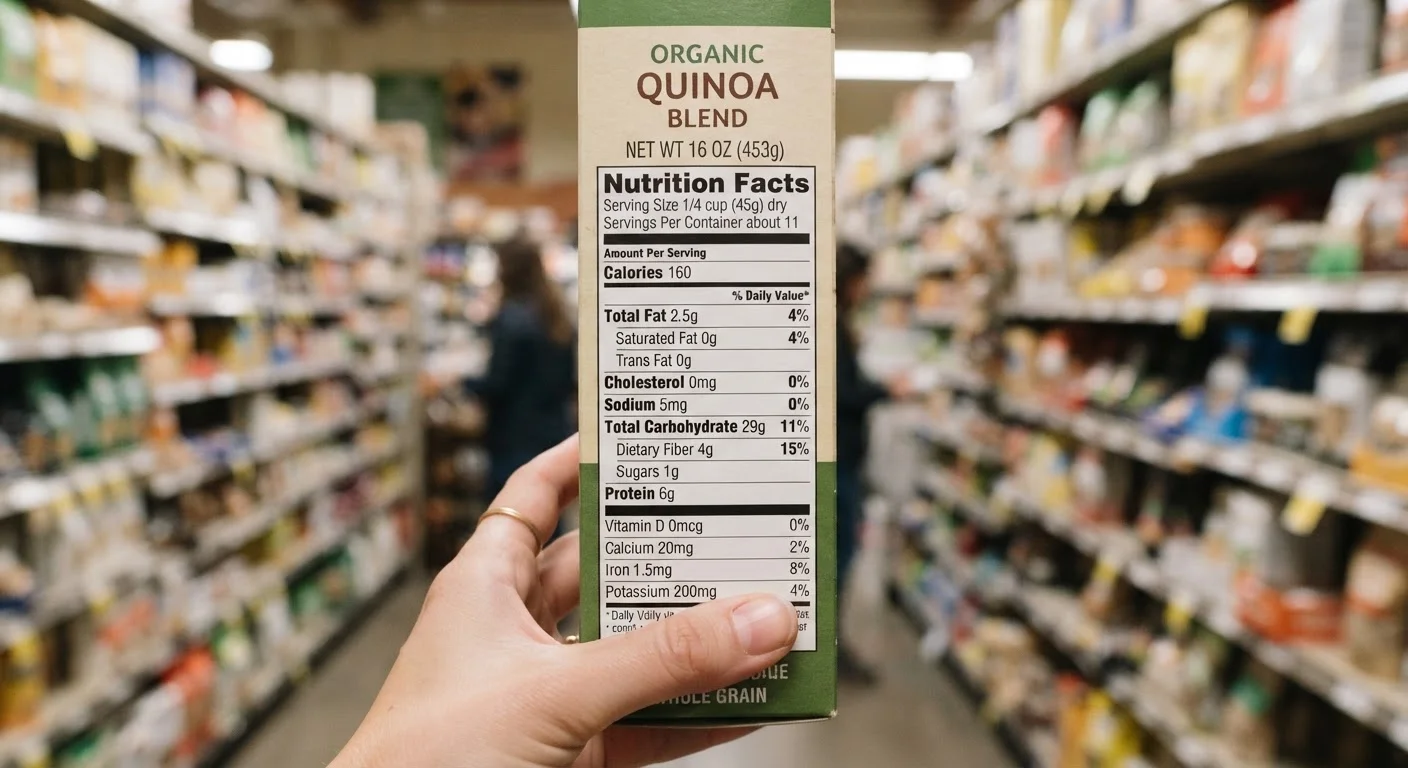
Eating a variety across these food groups — rather than optimizing for any single nutrient — is the most practical strategy for most households. Our article on reading a nutrition label can help you identify micronutrient content when comparing products at the store.
Supplements: When They Help and When They Don't
Supplements can fill genuine gaps, but they're not a replacement for dietary variety. Whole foods deliver micronutrients alongside fiber, antioxidants, and phytonutrients that work together in ways isolated supplements don't fully replicate. That said, certain populations have evidence-backed reasons to supplement:
- People who are pregnant or planning pregnancy are generally advised to ensure adequate folate and iron — speak with your OB or midwife.
- Older adults may absorb B12 less efficiently due to reduced stomach acid production.
- People with limited sun exposure may need vitamin D support.
- Those following strictly plant-based diets often need B12, and may benefit from iron, zinc, and omega-3 monitoring.
Before starting any supplement, consult a healthcare provider. A simple blood panel can confirm whether a deficiency actually exists, preventing you from spending money on nutrients you don't need — or taking amounts that could cause harm. Also consider how what you drink interacts with what you absorb; our piece on hydration and nutrient absorption covers that connection in detail.
This article is for general informational and educational purposes only and does not constitute medical or dietary advice. Consult a qualified healthcare professional before making changes to your diet or beginning any supplement regimen.