
The Role of Water in Your Digestive System
Think of your digestive system as a transportation network. Food arrives, gets broken down, and its useful components — vitamins, minerals, amino acids, fatty acids — need to reach your cells. Water is what keeps that network running. It forms the fluid medium in which enzymes work, helps dissolve nutrients so they can pass through the gut wall, and assists in moving material through the intestines.
When you eat a meal, saliva (which is mostly water) begins breaking down food immediately. Further along, digestive fluids in the stomach and small intestine — also largely water-based — continue that process. Nutrients in a dissolved, liquid state are far easier for intestinal cells to absorb than those in a dry or concentrated form. This is why your hydration status before and during a meal genuinely matters to how much nutritional value you actually capture from your food.
For a closer look at the vitamins and minerals riding this system, see our guide to micronutrients — it explains what each does and where to find it in your diet.
Water-Soluble vs. Fat-Soluble Nutrients: Why the Difference Matters
Not all nutrients depend on water the same way. Understanding the basic split helps clarify where hydration has the most direct impact.
- Water-soluble nutrients — including vitamin C and all eight B vitamins — dissolve in water and are carried through the bloodstream in fluid. They aren't stored in large amounts, so regular intake and adequate fluid are both needed for consistent availability in the body.
- Fat-soluble nutrients — vitamins A, D, E, and K — require dietary fat for absorption and are stored in fatty tissue. Water plays a supporting role here too, helping move bile acids that emulsify fat during digestion.
This distinction is also why what you eat alongside nutrients matters. Our macronutrients explainer covers how carbs, protein, and fat each interact with your body's processing systems.
~60%
Proportion of the human body that is water
The U.S. Geological Survey notes that water makes up roughly 60% of adult body weight, underscoring its role in virtually every physiological process including digestion.
Up to 30%
Reduction in non-heme iron absorption with tea
Research published in nutrition journals has found that consuming tea with a meal can reduce non-heme iron absorption by as much as 30%, depending on tea type and meal composition.
1–2%
Body water loss that begins to impair function
According to findings reviewed by sports medicine researchers, losing just 1–2% of body water through sweat or insufficient intake can begin to affect cognitive function and physical performance.
How Different Beverages Affect Absorption
Water is not the only thing people drink, and different beverages interact with nutrient absorption in distinct ways.
Alcohol
Alcohol is one of the more disruptive beverages from a nutritional standpoint. It interferes with the absorption of several B vitamins — particularly folate and thiamine — and can damage the intestinal lining over time with heavy use, reducing overall absorptive capacity. It also increases the excretion of minerals like zinc and magnesium.
Coffee and Tea
Compounds called tannins and polyphenols in coffee and tea can bind to certain minerals — notably iron — and reduce how much the body absorbs in a given meal. This effect is more significant for non-heme iron (found in plant foods) than for heme iron (from animal sources). Spacing tea or coffee an hour away from iron-rich meals is a practical workaround worth considering.
Sugary Drinks
High-sugar beverages don't directly block absorption the way alcohol does, but frequent consumption is associated with poorer gut microbiome diversity, which plays a supporting role in nutrient processing. They also tend to displace water and more nutritious fluids in the diet.
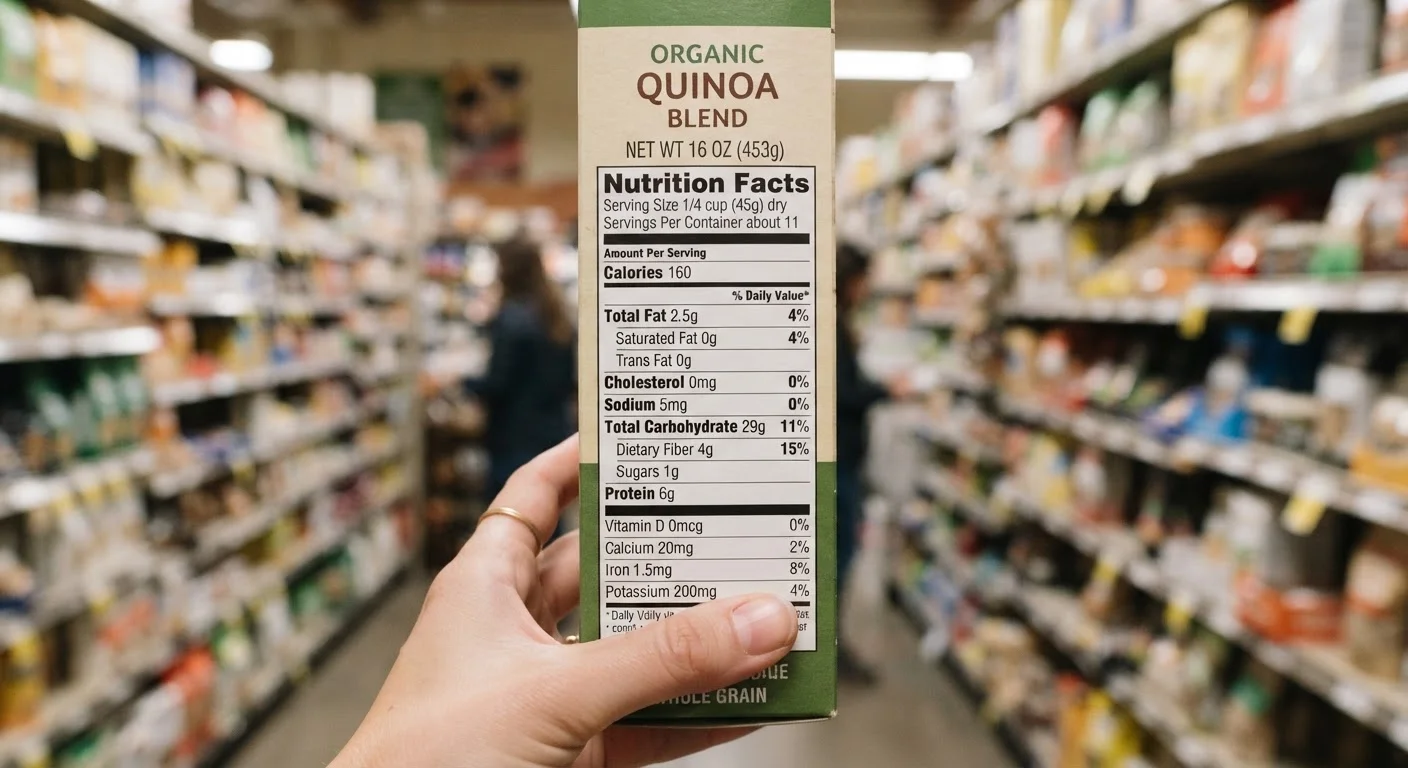
For clarity on what nutrition labels tell you about the beverages you buy, our nutrition label reading guide is a useful companion.
Practical Hydration Habits That Support Nutrition
Improving your hydration for better nutrient absorption doesn't require expensive products or complicated routines. A few consistent habits make a meaningful difference.
A Simple Habit Worth Building
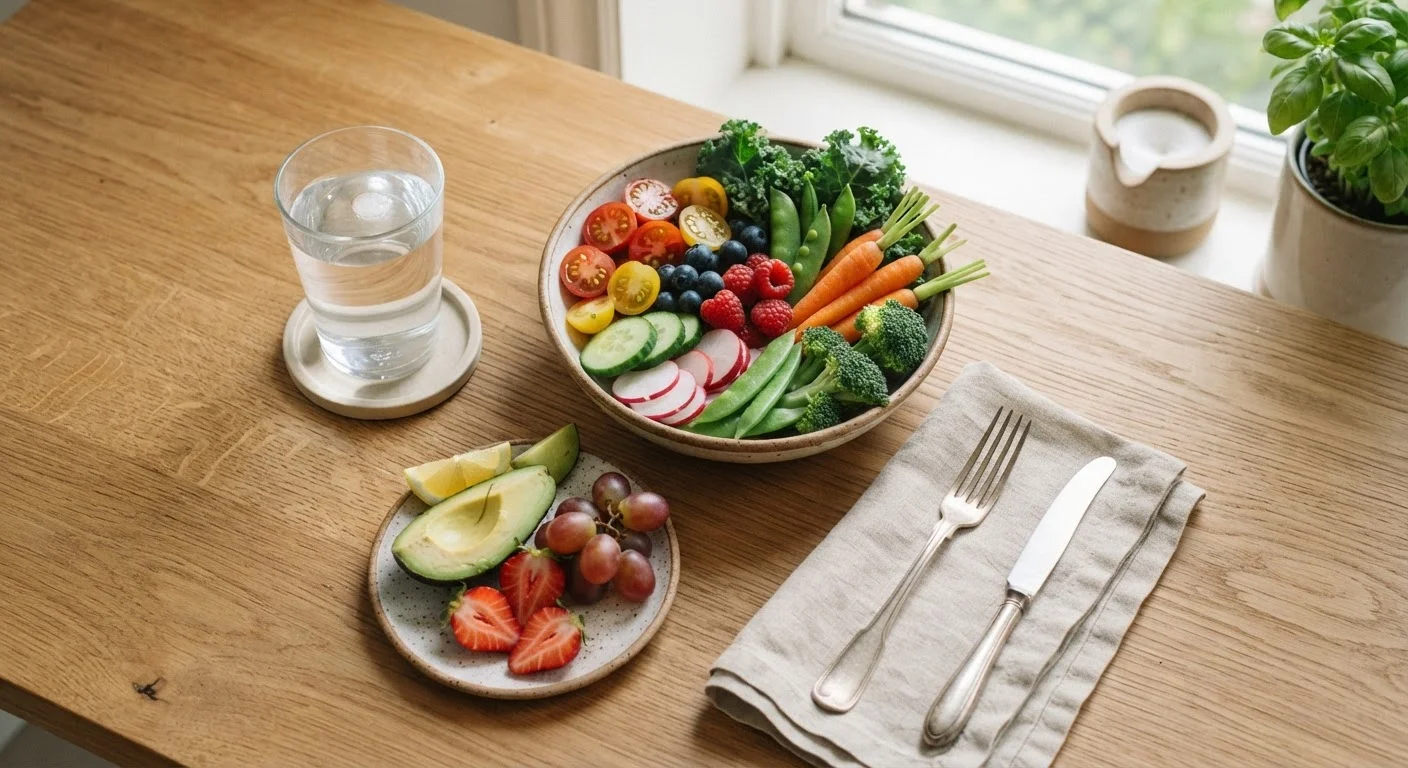
Drinking a glass of water about 20–30 minutes before a meal can help prime your digestive system and support enzyme activity. This requires no special products — tap water works just as well as anything bottled or enhanced.
- Drink water consistently throughout the day, not just when thirsty. Thirst is a late indicator of dehydration, especially in older adults.
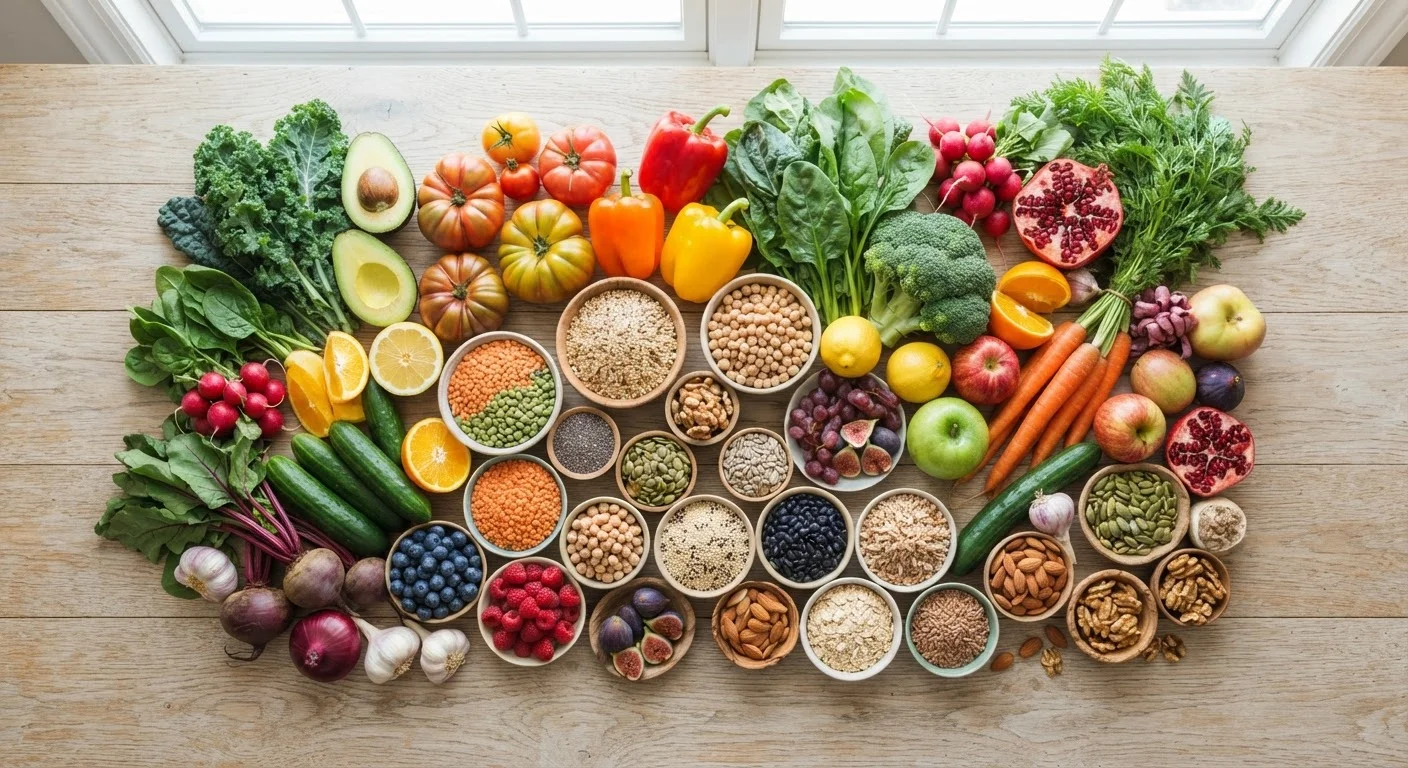
- Include water-rich foods like cucumbers, watermelon, and leafy greens. These contribute to daily fluid intake while also delivering vitamins and minerals.
- Limit alcohol and very sugary beverages if nutrient absorption is a concern — not as an absolute rule, but as a general pattern to aim for.
- Consider timing for coffee and tea if you eat a lot of plant-based iron sources. Shifting these beverages away from iron-rich meals may help your body absorb more of that mineral.
This article is for general informational and educational purposes only and is not a substitute for professional medical or dietary advice. Consult a qualified healthcare provider for guidance tailored to your individual health needs.