
How Revenue Management Systems Actually Set Prices
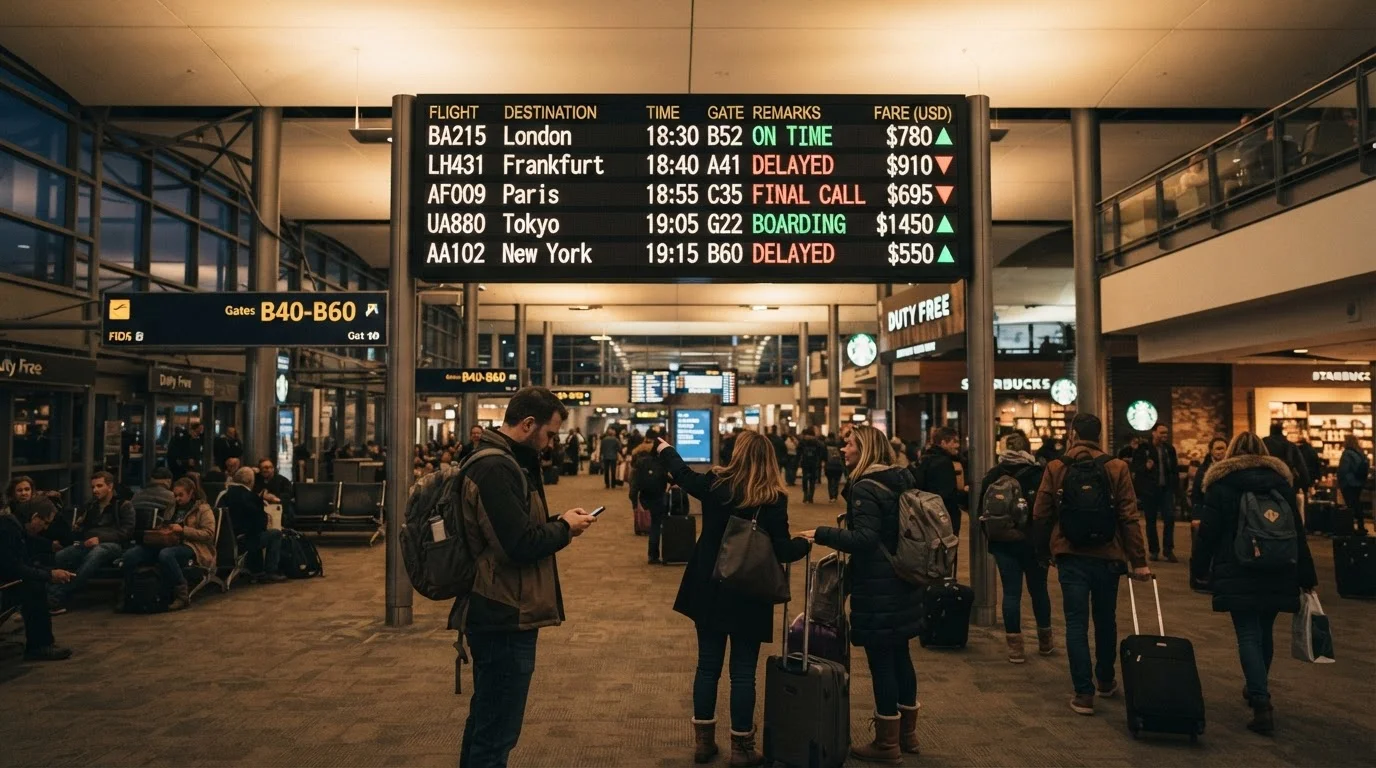
When you search for a flight, you're not seeing a price that a person decided on. You're seeing the output of a revenue management system — sophisticated software that airlines have used since the 1980s to maximize the revenue from every seat on every flight.
These systems pull in an enormous amount of data: historical booking patterns for a given route and date, current pace of sales, competitor pricing, remaining seat inventory, and forecasted demand. Based on all of that, the software continuously recalculates how much each available seat should cost — and updates fares accordingly, often multiple times per day.
The core logic is straightforward: airlines want to sell every seat at the highest price the market will bear. If a flight is filling up quickly, the system raises prices on remaining seats. If a flight is slow to sell, it may lower prices to stimulate demand. This is why checking a fare in the morning and returning that evening can show a different number — and why the change can go in either direction.
168+
Daily fare updates per route on average
Airline pricing systems can update fares hundreds of times per day per route, according to airline revenue management industry analyses.
3–8 weeks
Typical domestic booking sweet spot
Multiple fare-tracking analyses suggest domestic US fares are often most competitive when booked roughly 3–8 weeks before departure, though this varies by route.
Up to 10
Fare classes in a single cabin
Airlines typically manage six to ten distinct fare classes within economy cabin alone, each priced and inventoried separately.
The Role of Fare Classes and Seat Buckets
A single flight doesn't have one price — it has many, organized into fare classes. Airlines divide their cabin inventory into groups of seats, each assigned a letter code and a price point. The cheapest seats are in the lowest fare class and are intentionally limited in number. Once those sell out, buyers are automatically bumped to the next tier, which costs more.
This is why a flight that looks half-empty can still show a high fare. Plenty of physical seats may remain, but the low-fare buckets may be exhausted. The seats left are priced at whatever tier is still open.
Understanding this also explains why prices rarely drop gradually — they often jump in discrete steps as one fare class sells out and the next one opens. It's less like a smooth curve and more like a staircase going up.
Booking Windows: When Timing Actually Matters
The relationship between when you book and what you pay is one of the most studied aspects of airfare. The broad pattern that emerges across multiple fare-tracking analyses: prices are often lowest in a middle window — not too early, not too late.
For domestic US routes, that window tends to fall somewhere between three and eight weeks before departure, though it varies significantly by route, season, and how popular the flight is. International fares typically require a longer lead time, often two to six months out, because premium fare buckets fill earlier on longer routes.
Booking too early can actually cost more. Airlines often release initial fares at full price and only introduce sale pricing later once demand patterns become clearer. Booking in the final days before departure is generally expensive too, as airlines know last-minute travelers tend to be less price-sensitive.
If your travel dates have any flexibility, even shifting by a day or two can make a meaningful difference — a point explored in detail in our flexible date travel guide.
Demand Signals That Push Prices Up
Airlines read demand signals constantly, and certain conditions reliably trigger higher prices. Holidays, school breaks, major sporting events, and peak summer travel periods all generate concentrated demand on specific routes — and fares reflect that.
Business travel patterns also matter. Routes that serve major corporate hubs tend to have elevated fares on Monday mornings and Friday evenings, when business travelers are willing to pay for convenience. Mid-week flights on the same route often cost less because that demand softens.
External shocks — a concert announced in a city, a weather event that cancels competing flights, a competitor reducing capacity on a route — can also move prices quickly. The revenue management system is responding to real-time signals, which is part of why airfare feels so unpredictable.
These same forces are why budget travelers benefit from understanding that the headline fare isn't the only number that matters. Ancillary charges — seat selection fees, baggage costs, change fees — layer on top of base pricing in ways that aren't always visible during a search. For a clear accounting of what these add up to, see our hidden costs guide for budget travelers.
Use Flexible Date Tools Before Committing
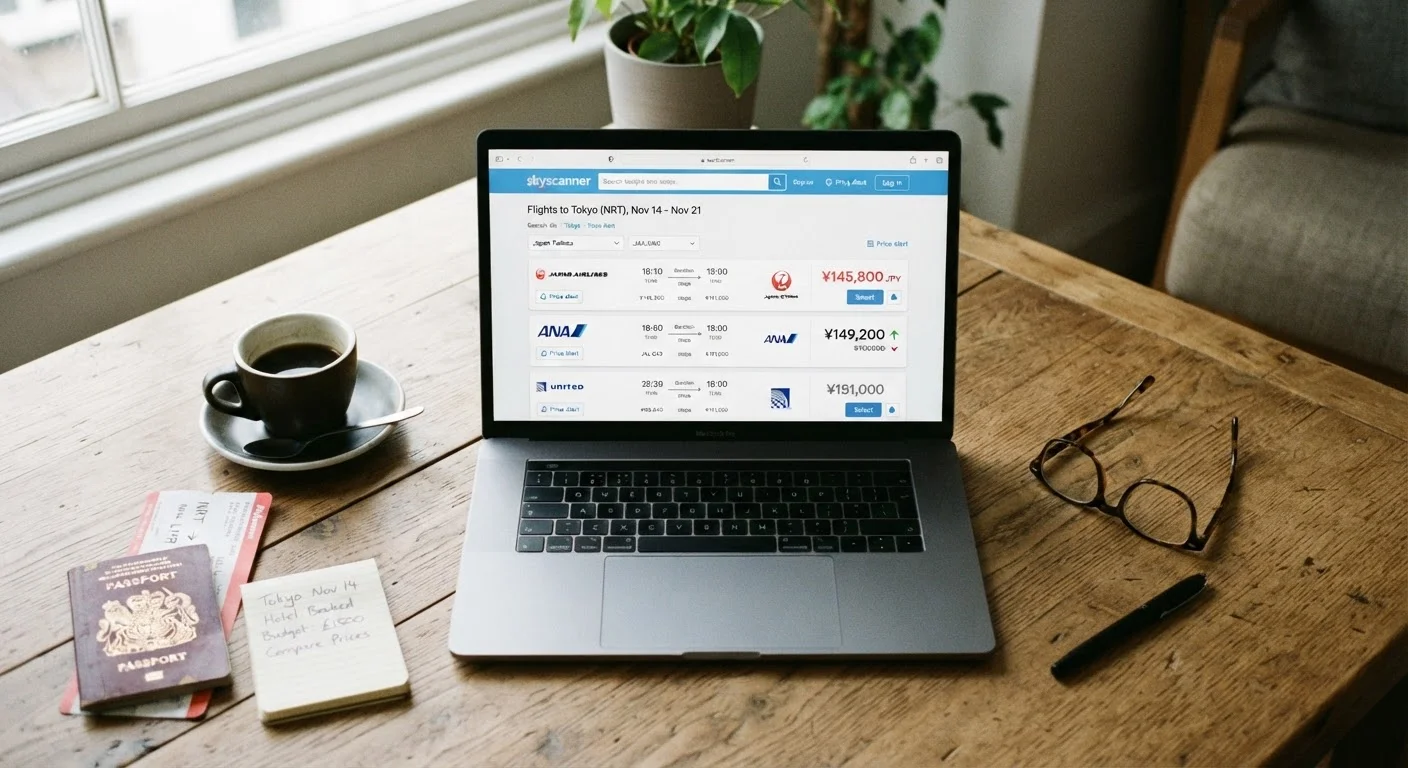
Most major flight search platforms offer a price calendar or flexible dates view that shows fares across a range of departure dates at once. Before locking in specific travel days, spend a few minutes scanning this view — even a one- or two-day shift can sometimes reveal a noticeably lower fare without major disruption to your plans.
What You Can Realistically Control
Airline pricing systems are complex and largely outside your control — but several practical habits can improve your odds of finding a lower fare.
- Check multiple dates. If your schedule allows any flexibility, use a fare calendar to compare prices across a range of days. A Tuesday departure versus a Friday departure on the same route can differ by a meaningful amount.
- Set price alerts early. Once you identify a route, use a fare tracking tool to monitor it. You'll get notified if prices drop without having to check manually every day.
- Don't wait for a perfect price. There's no reliable way to know if a fare is at its lowest point. If a price is within your budget and you need to travel, booking it is often better than gambling on a drop that may not come.
- Factor in total cost. A base fare that looks attractive can become expensive after baggage fees and seat charges. Compare total out-of-pocket costs, not just the headline number. Our guide to hidden vacation fees covers what to watch for.
Pricing will always involve some uncertainty. What you can do is make informed decisions based on how these systems actually work — rather than relying on timing myths or luck.