
What Makes a Protein 'Complete' or 'Incomplete'?
Proteins are built from amino acids — the body requires 20 different ones, nine of which it cannot produce on its own. These are called essential amino acids, and they must come from food. The distinction between complete and incomplete protein centers entirely on whether a food source provides all nine in meaningful quantities.
Animal proteins — including meat, poultry, fish, eggs, and dairy — are complete proteins. They mirror the amino acid profile that human tissue needs, which is part of why they've historically been considered the nutritional benchmark for protein quality.
Most plant proteins are technically incomplete, meaning they're low in one or more essential amino acids. Legumes, for example, tend to be low in methionine, while grains are often low in lysine. However, this doesn't make plant protein nutritionally inadequate. Research supports that eating a varied diet of plant proteins throughout the day — not necessarily within the same meal — covers all essential amino acids effectively. Soy and quinoa are notable exceptions: both are complete plant proteins.
The 'Protein Combining' Myth — Clarified
For decades, nutrition guidelines suggested plant-based eaters needed to combine complementary proteins — like rice and beans — within the same meal to ensure complete amino acid intake. Current evidence no longer supports that rigid rule. The body draws on a pool of amino acids throughout the day, so eating varied plant proteins across different meals is sufficient. That said, variety and sufficient total intake still matter.
Digestibility and Bioavailability: How Well Does Your Body Use Each?
Even if two foods contain the same amount of protein by weight, that doesn't mean the body absorbs and uses it equally. Bioavailability refers to how efficiently a protein is digested and its amino acids made available to body tissues.
Animal proteins generally score higher on the DIAAS — a measure used by nutrition scientists to evaluate protein quality. Eggs and dairy, for instance, rank among the highest. Plant proteins tend to score lower partly because of antinutrients such as phytates and lectins, which can reduce absorption. Cooking, soaking, fermenting, and sprouting legumes and grains can meaningfully reduce these compounds and improve digestibility.
The practical takeaway: if you rely primarily on plant protein, you may need to consume somewhat larger total quantities to meet the same physiological needs as a smaller amount of animal protein. This is a manageable adjustment for most people — and one that affordable high-protein plant foods can help address without inflating your grocery bill.
~10%
Americans meeting fiber intake recommendations
According to the Dietary Guidelines for Americans, dietary fiber is considered a nutrient of public health concern, with most adults falling well short of recommended intakes.
2–3×
Higher cost: beef protein vs. lentil protein
USDA food price data consistently shows that protein from dried legumes costs significantly less per gram than protein from most cuts of beef or pork.
0.8 g/kg
Daily protein recommended for average adults
The U.S. Dietary Reference Intakes set a baseline of 0.8 grams of protein per kilogram of body weight per day for sedentary adults; needs vary for active individuals and older adults.
Cost, Fiber, and Other Nutritional Trade-Offs
Protein choice rarely happens in isolation — it comes bundled with other nutrients, costs, and trade-offs worth understanding.
| Criterion | Plant Protein | Animal Protein |
|---|---|---|
| Amino acid profile | Usually incomplete (except soy, quinoa) | Complete — all 9 essential amino acids |
| Digestibility | Moderate; improved by cooking/soaking | Generally high |
| Dietary fiber | Yes — significant amounts | None |
| Cost per serving | Typically lower | Typically higher |
| Vitamin B12 | Absent (supplementation often needed) | Naturally present |
| Heme iron | Absent (non-heme iron only) | Present in meat and poultry |
| Saturated fat | Generally low | Varies; higher in red/processed meats |
Cost is often the deciding factor for budget-conscious households. Dried lentils and canned beans regularly deliver protein at a significantly lower cost per serving than beef, pork, or chicken. That gap widens further when meat prices fluctuate seasonally.
Plant proteins bring an important bonus: dietary fiber. A cup of cooked black beans supplies both protein and substantial fiber. Animal proteins contain no fiber at all. Fiber supports digestive health, helps regulate blood sugar, and contributes to satiety — benefits that matter for overall wellness, not just protein intake alone.
Animal proteins, on the other hand, provide nutrients that are either absent or less bioavailable in plants — including heme iron, vitamin B12, zinc, and creatine. People who eliminate animal products entirely should be especially mindful of B12, which is found almost exclusively in animal foods and typically requires supplementation on a fully plant-based diet. Always consult a healthcare provider before starting any supplement regimen.
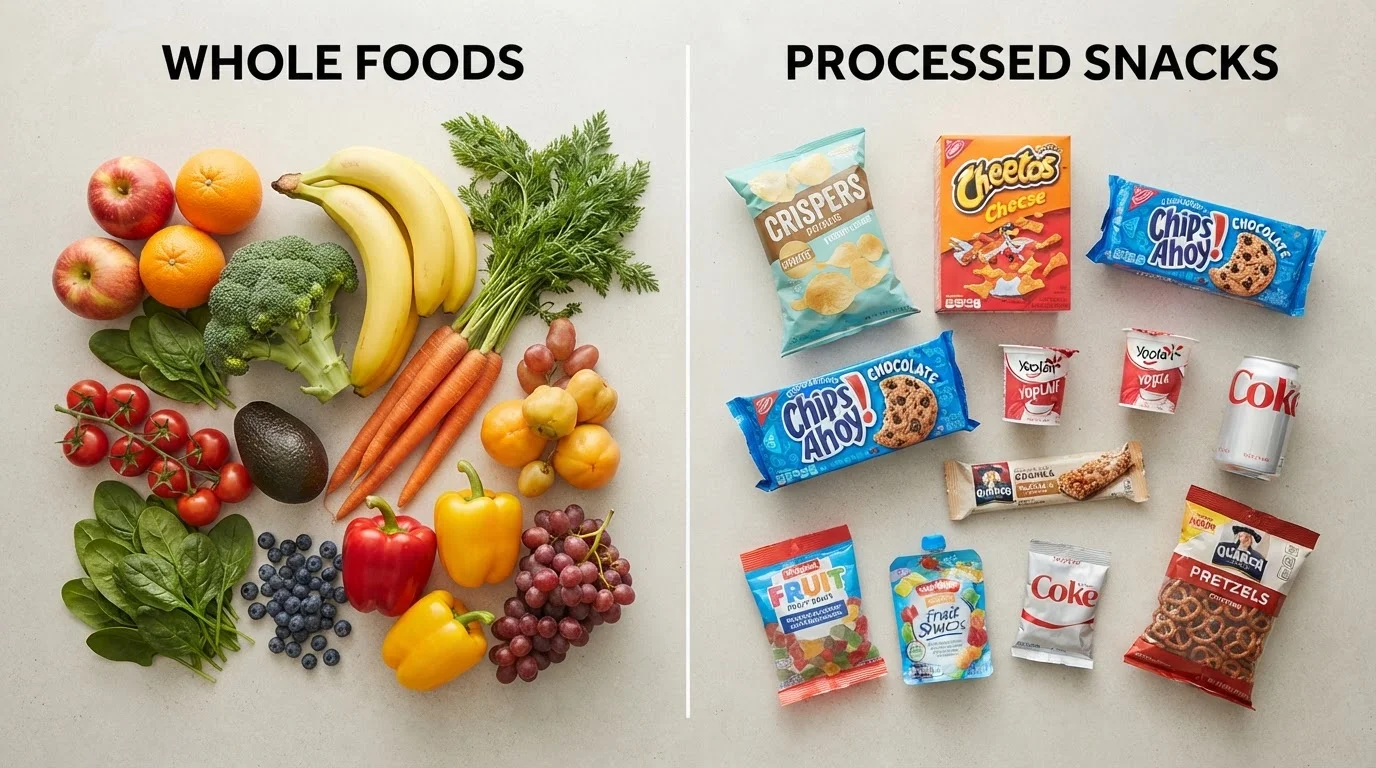
For a broader look at how food processing affects nutritional value across protein sources, see our guide on whole foods vs. processed foods.
How to Build a Protein Strategy That Works for You
The evidence doesn't point to one protein type being universally superior. What it does support is dietary variety and sufficiency — getting enough total protein from sources that fit your health goals, budget, and lifestyle.
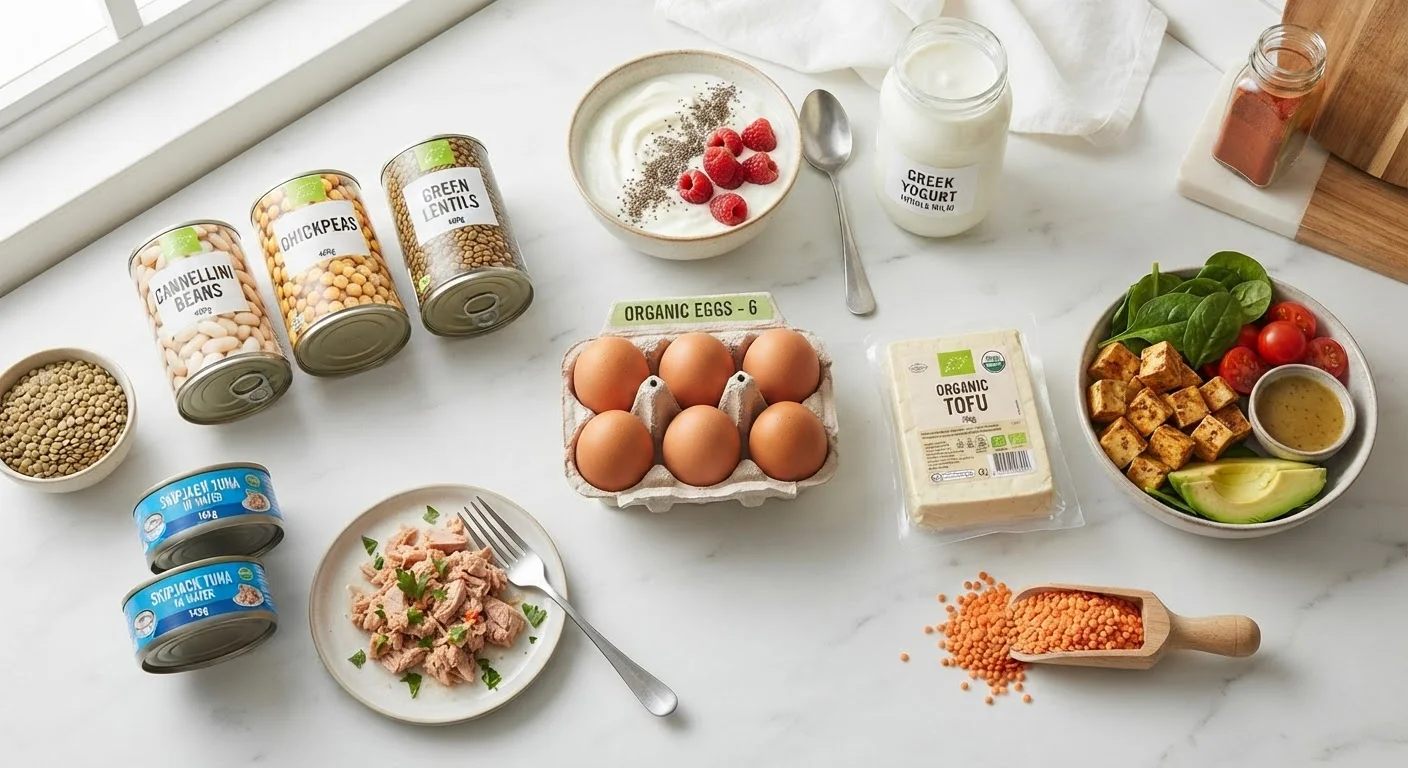
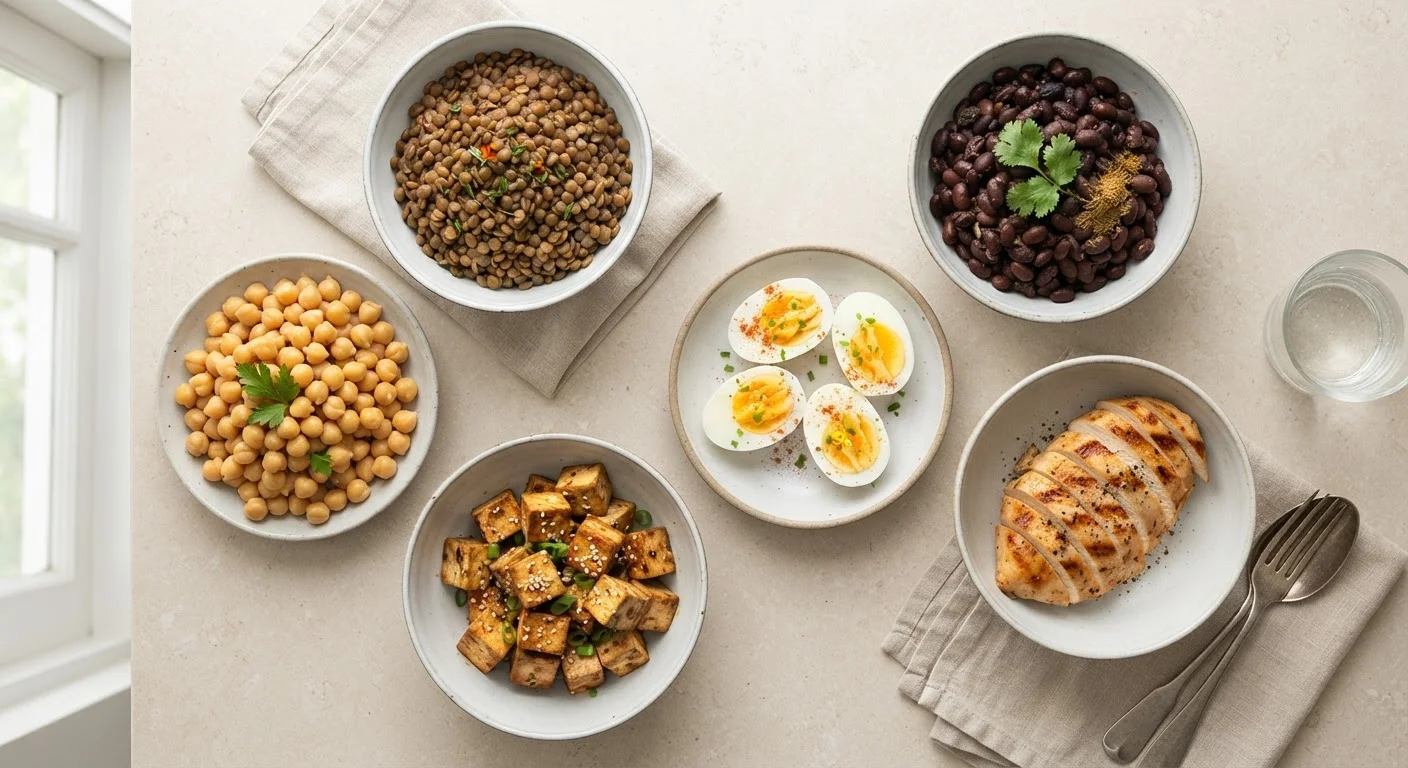
A practical approach for many American households is a mixed strategy: using plant proteins like lentils, beans, tofu, and edamame as everyday anchors, while incorporating animal proteins such as eggs or canned fish several times per week. This approach can help manage costs, diversify nutrient intake, and avoid over-reliance on heavily processed protein products from either category.
If you're exploring ways to reduce meat spending without sacrificing protein, affordable high-protein foods offers practical starting points across both plant and animal sources.
Individual needs vary significantly based on age, activity level, health status, and medical history. A registered dietitian is the most reliable resource for personalizing your protein intake — general guidance here is educational, not a substitute for professional advice.
This article is for general informational and educational purposes only and does not constitute medical or nutritional advice. Consult a qualified healthcare or nutrition professional before making significant changes to your diet.